
1. Quick Answer: The Principal Difference
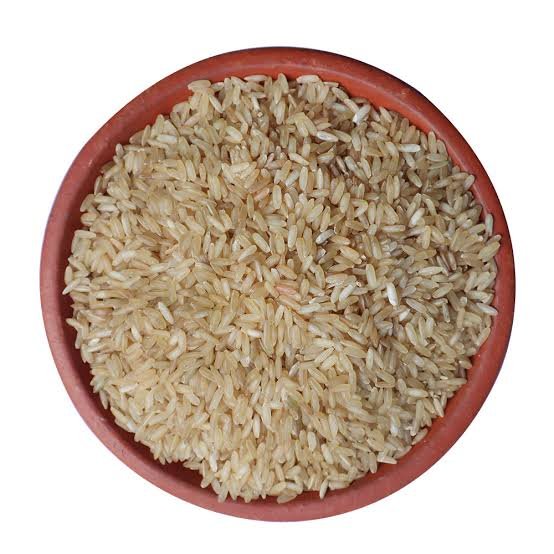
The core difference lies in processing depth and bran retention. Brown rice has 100% of its outer bran layer and germ intact, stripped only of the inedible outer hull using modern rubber-roller mills. Unpolished rice is a broad industry term referring to any rice (white, red, or brown) that has not undergone friction polishing or talc/oil glazing, leaving varying amounts of bran intact. Hand pounded rice is traditional artisanal rice gently de-husked using a wooden mortar and pestle (Okhli and Musal) or stone pounding; it selectively retains 50%–70% of the nutrient-rich bran, making it significantly easier to digest than brown rice while retaining far more minerals, dietary fiber, and flavor than commercial polished white rice.
If you have ever stepped into a modern Indian organic store or scrolled through wellness forums, you have probably felt overwhelmed by the rice aisle. What used to be a simple choice between Basmati and Sona Masoori has transformed into a complex debate: Should you buy brown rice for weight loss, switch to unpolished rice for daily meals, or invest in traditional hand-pounded rice for authentic nutrition?
When comparing hand pounded rice vs brown rice, many assume they are identical simply because neither looks pure white. However, their culinary behavior, nutritional profiles, digestion ease, and traditional processing methods differ substantially. Understanding these differences allows you to make an informed choice that suits your family’s health requirements and cooking habits.
2. What Hand-Pounded Rice Is (Hand-Pounded Rice Meaning)
To truly grasp the hand-pounded rice meaning, we must look back at traditional Indian kitchen practices before the advent of industrial motorized rice mills in the early 20th century. Pounding paddy was a daily or weekly household ritual across rural India.
Hand-pounded rice (traditionally known as Kuttu Sona Masoori, Dhenki rice in Bengal, or Kaai Kuthal Arisi in Tamil Nadu) is produced by placing raw paddy into a heavy wooden mortar and repeatedly striking it with a wooden pestle. This gentle mechanical impact breaks away the brittle outer husk (paddy hull) while leaving the germ and a substantial portion (50% to 70%) of the bran layer attached to the grain.
Because the pounding process is manual and non-uniform, the rice kernel retains its aleurone layer—the vital cell layer packed with B-complex vitamins, iron, calcium, and essential fatty acids. The resulting grains display a rustic, mottled pinkish-brown or off-white appearance with visible striations. It represents the perfect equilibrium: rich in natural nutrients without being excessively fibrous or hard on your digestive system.
3. What Brown Rice Is
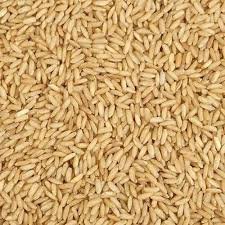
Brown rice is whole-grain rice produced in modern commercial mills. In the industrial milling process, raw paddy passes through rubber rollers that strip away the hard, inedible outer protective shell (the hull). The kernel beneath—consisting of the inner endosperm, the nutrient-dense germ, and 100% of the fibrous outer bran layers—remains completely intact.
Because all seven layer coats of the bran remain untouched, brown rice contains high concentrations of dietary fiber, phytic acid, and magnesium. However, this complete bran jacket also gives brown rice a tough exterior shell. As a result, brown rice requires longer cooking times, mandatory pre-soaking, and yields a firm, chewy texture with a distinct nutty flavor profile. While it is widely praised in fitness circles for its low glycemic index, some individuals find full-bran brown rice difficult to digest on a daily basis.
4. What Unpolished Rice Means (Unpolished Rice vs Brown Rice)
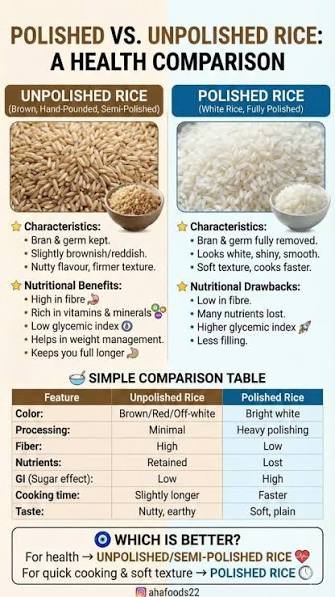
The term “unpolished rice” is frequently misunderstood in supermarkets and online grocery stores. It is essential to realize that unpolished rice vs brown rice is not always a direct head-to-head comparison, because “unpolished” is an umbrella industry descriptor rather than a single specific variety of rice.
When rice is processed in a standard industrial mill, it undergoes two distinct phases:
- De-husking & Milling: Removal of the outer hull and partial or complete removal of the bran layer.
- Polishing & Glazing: Passing the stripped white endosperm through high-speed wire-mesh polishers, often applying water, talc, or mineral oil to create a shiny, smooth, sparkling white finish.
Therefore, unpolished rice simply means rice that skipped Phase 2. It has not been subjected to artificial polishing agents or aggressive friction polishers. Unpolished rice can be unpolished brown rice (100% bran), unpolished hand-pounded rice (50-70% bran), or even semi-polished white rice (10-20% bran). When shopping, checking the processing label ensures you know exactly how much bran remains on the grain.
5. How Each Rice Is Processed: A Comparison
The fundamental differences between these three types of rice stem directly from how paddy is converted into edible rice grains. Modern high-speed milling generates heat and friction, which can degrade sensitive vitamins, whereas traditional methods preserve kernel integrity.
Processing Comparison Table
| Parameter | Hand-Pounded Rice | Brown Rice | Unpolished Rice (General) |
| Primary Method | Manual wooden mortar & pestle / foot-operated Dhenki | Industrial rubber-roller mill de-husking | Industrial mill without final polishing/glazing stages |
| Husk Removal | Manual impact separates husk from grain | Automated mechanical friction strips husk | Standard mechanical sheller strips husk |
| Bran Retained | 50% – 70% (Partial, natural retention) | 100% (Complete outer bran layer intact) | Varies (10% – 100% depending on brand milling depth) |
| Germ Integrity | Highly preserved due to low heat & gentle pressure | Preserved, but subject to minor mechanical friction | Varies; often partially stripped during milling |
| Heat / Nutrient Loss | Zero heat generation; maximum enzyme preservation | Low-to-moderate heat generation during hulling | Moderate heat during mechanical roller passes |
| Visual Appearance | Uneven, rustic, off-white with reddish/brown streaks | Uniform light brown / tan color across all grains | Variable; slightly dull white to brown, non-glossy |
6. Bran, Germ, and Fibre Comparison (Nutrient Retention Analysis)
Understanding the anatomy of a rice grain helps clarify why evaluating hand-pounded rice vs brown rice matters for health. Every rice grain consists of three core components: the outer protective Bran, the nutrient-rich Germ (embryo), and the starchy inner Endosperm.
- Dietary Fibre: Brown rice contains the highest raw fiber content (~3.5g per 100g cooked) due to its 100% intact outer shell. Hand-pounded rice follows closely (~2.2g to 2.8g per 100g), offering ample fiber to regulate bowel movements without causing abdominal bloating. Commercial polished white rice retains less than 0.6g of fiber.
- The Rice Germ & B-Vitamins: The germ contains high concentrations of Thiamine (Vitamin B1), Niacin (B3), Pyridoxine (B6), and Vitamin E. Hand-pounded processing preserves the germ intact because no high-speed machinery shears it off. Brown rice retains the germ, though industrial heating can slightly reduce heat-sensitive B vitamins.
- Phytic Acid & Micronutrient Bioavailability: Brown rice has a high concentration of phytic acid in its complete bran layer. Phytic acid acts as an anti-nutrient that can bind to minerals like zinc, calcium, and iron, reducing their absorption in the gut unless long pre-soaking is performed. Hand-pounded rice, having partial bran reduction, contains lower levels of anti-nutrients. This makes its iron and magnesium content more readily absorbed by the human digestive tract.
- Glycemic Index (GI): Brown rice has a low GI (~50–55). Hand-pounded rice features a low-to-medium GI (~55–60), significantly lower than refined white rice (~72–80). This moderate glycemic response prevents sudden blood sugar spikes, making both varieties suitable options for managing diabetes and metabolic health.
7. Taste and Texture Differences
Health benefits matter, but daily eating enjoyment depends heavily on taste, mouthfeel, and how well rice absorbs traditional Indian gravies, rasam, and dals.
In side-by-side dining tests comparing hand-pounded rice vs brown rice:
- Hand-Pounded Rice: Offers a delicate balance. It cooks up soft, slightly floral, and fluffy, with a pleasant light nuttiness. Because part of the bran is opened during pounding, the exposed starch allows the rice to absorb gravies, sambar, and curries naturally, creating a harmonious bite.
- Brown Rice: Features a distinctly dense, chewy texture with an earthy, pronounced nutty flavor. The outer bran layer forms an intact waterproof barrier; even when fully cooked, the grains stay separate and do not easily absorb thin liquids like rasam or buttermilk.
- Unpolished Rice: Taste varies based on the degree of milling. Semi-unpolished white rice eats very similarly to classic polished white rice, whereas unpolished brown rice behaves exactly like standard brown rice.
8. Soaking and Cooking-Time Table
Because the bran layer controls water absorption, cooking parameters differ significantly between these rice types. Using appropriate soaking times and water ratios ensures soft, digestibly light cooked grains.
Cooking-Ratio & Timing Comparison Table
| Rice Variety | Recommended Soaking Time | Water-to-Rice Ratio (Pressure Cooker) | Water-to-Rice Ratio (Open Pan Method) | Pressure Cooker Whistles | Total Cooking Time |
| Hand-Pounded Rice | 20 – 30 minutes | 1 : 2.5 | 1 : 3.0 | 3 to 4 whistles (Medium Heat) | 20 – 25 minutes |
| Brown Rice | 45 – 60 minutes (Mandatory) | 1 : 3.0 | 1 : 3.5 | 5 to 6 whistles (Low-Medium Heat) | 35 – 45 minutes |
| Unpolished Rice (Semi) | 15 – 20 minutes | 1 : 2.0 to 1 : 2.25 | 1 : 2.5 | 2 to 3 whistles | 15 – 20 minutes |
💡 Pro Cooking Tip for Hand-Pounded Rice: Always use the soaking water for cooking your rice! Unlike store-bought polished rice, hand-pounded rice releases water-soluble B-complex vitamins into the soaking liquid during its 20-minute rest. Discarding that water means pouring vital nutrition down the drain.
9. Which Works Best for Everyday Indian Meals?
For most Indian households transitioning away from refined white rice, hand-pounded rice emerges as the clear everyday champion.
While brown rice offers high fiber, its dense texture and strong nutty profile can clash with traditional staple dishes like Dal Tadka, Kadhi, Rasam, or Curd Rice. Brown rice grains often sit separately from thin lentil gravies rather than binding with them.
Evaluating unpolished rice vs brown rice alongside hand-pounded options shows that hand-pounded rice delivers an ideal blend of wellness and traditional taste. It yields a soft, comfortable mouthfeel while retaining essential micro-minerals and B vitamins. It digests easily without leaving you feeling uncomfortably heavy, making it suitable for young children, elderly family members, and adult gut health alike.
10. Which Works Best for Khichdi, Pulao, and Fermented Batter?
Different Indian recipes rely on specific starch behaviors, moisture retention, and fermentation performance. Here is how these rice types perform across specialized dishes:
A. Comforting Khichdi & Pongal
- Winner: Hand-Pounded Rice.
Khichdi requires starch release to blend with moong dal into a creamy consistency. Hand-pounded rice breaks down just enough during pressure cooking to yield a soothing, velvety texture. Brown rice remains too grainy and isolated, preventing the desired creamy feel.
B. Fragrant Vegetable Pulao & Biryani
- Winner: Semi-Unpolished Basmati Rice or Brown Basmati.
Pulao benefits from distinct, long, separate grains. Unpolished Basmati or aged Brown Rice holds its geometric structure under steam pressure without becoming mushy, producing a clean, fragrant dish.
C. Fermented Batter (Idli & Dosa)
- Winner: Hand-Pounded Parboiled Rice.
Traditional Idli and Dosa batter requires natural wild yeast and lactic acid bacteria for proper fermentation. Hand-pounded rice retains intact germ enzymes and surface microflora that accelerate natural fermentation overnight. This yields light, airy idlis and crispy dosas packed with natural bio-available nutrients. Brown rice can ferment, but its thick bran layer yields a heavier batter and slightly darker idlis.
11. Shelf Life and Rancidity Concerns
One critical factor consumers often overlook when choosing traditional rice is storage stability and shelf life.
Whole grain rice varieties containing intact bran and germ are rich in essential natural oils and healthy fatty acids. When exposed to ambient air, light, and heat, these fatty acids gradually oxidize over time, leading to potential rancidity.
- Commercial White Polished Rice: Highly processed with all oil-bearing bran removed. Has an extended shelf life of 12 to 24 months.
- Brown Rice: Contains 100% of its oil-bearing outer bran layers intact. Standard shelf life is 3 to 6 months at room temperature before natural oils begin to oxidize and develop an off odor.
- Hand-Pounded Rice: Retains partial natural oils in its remaining 50–70% bran layer. Standard shelf life is typically 3 to 4 months without chemical preservatives.
⚠️ Storage Warning: Authentic hand-pounded rice contains zero chemical fumigants or anti-caking agents. Because of its preserved nutrients, small rice weevils (Kiro) may naturally appear if stored in hot, humid conditions. This natural occurrence confirms the rice is clean and chemical-free.
12. How to Identify Genuine Hand-Pounded Rice
As consumer demand for traditional grains grows, some commercial suppliers market machine-milled semi-polished rice under expensive “hand-pounded” labels. Use these visual and physical tests to ensure you receive true artisanal quality:
- Grain Color and Irregularity: Genuine hand-pounded rice is never perfectly uniform in color or size. You should see a natural gradient ranging from off-white and creamy yellow to light brown or pinkish streaks across the batch.
- Grain Surface Texture: Examine the raw grain under light. You will see faint vertical grooves and a slightly matte, unvarnished texture where the wooden pestle gently struck the outer bran shell. Modern machine-milled rice looks smooth and uniform.
- Powdery Bran Dust: If you reach into a pouch of authentic hand-pounded rice, your fingers will pick up a fine, natural powder. This is nutrient-dense rice bran dust (Kunda) left over from the manual pounding process.
- Aroma of Raw Grain: Fresh hand-pounded rice possesses a sweet, earthy, agricultural aroma even before cooking. Machine-milled white rice is largely odorless.
13. Storage Guidance for Maximum Freshness
To preserve the freshness of hand-pounded or unpolished brown rice and protect its natural essential oils from oxidation, follow these practical household storage guidelines:
- Use Airtight Containers: Immediately transfer raw rice from plastic store packaging into clean, completely dry glass jars, heavy stainless steel containers (Pattiram), or food-grade BPA-free containers.
- Add Natural Insect Repellents: Place 4–5 dried neem leaves, 2 whole dried red chillies, or 2-3 cloves of garlic (with peel) inside the storage container. These natural remedies deter insects without altering the flavor of the rice.
- Keep Cool and Dark: Store your container in a cool, dark pantry away from direct sunlight, stove heat, and sink moisture.
- Refrigerate in Summer: If you live in a hot, humid region or purchase rice in bulk (5kg+), store excess quantities in sealed airtight bags in the refrigerator. This halts oil oxidation and keeps your rice fresh for up to 9 months.
14. Frequently Asked Questions (FAQs)
Q1. Is hand-pounded rice better than brown rice for weight loss?
Both options support weight management far better than refined white rice because their dietary fiber and complex carbohydrates promote lasting satiety. However, brown rice has a slightly lower glycemic index (~50) compared to hand-pounded rice (~55-60). If maximum fiber is your sole priority, brown rice leads slightly; if sustainable daily eating, easy digestion, and mineral absorption matter more, hand-pounded rice is the superior long-term choice.
Q2. Can diabetic patients eat hand-pounded rice daily?
Yes. Hand-pounded rice retains 50% to 70% of its natural bran layer, giving it a moderate-to-low glycemic index that helps avoid sharp post-meal glucose spikes. Combining hand-pounded rice with protein-rich dals, ghee, and fiber-rich vegetables further flattens the glycemic response.
Q3. Why does hand-pounded rice cost more than regular unpolished rice?
Hand-pounded rice is produced through labor-intensive, small-batch artisanal methods using traditional wooden mortars or community-driven foot-pounding setups. Yield per hour is significantly lower than high-speed commercial mills, and the care required to preserve nutrient layers drives up production costs.
Q4. Does hand-pounded rice take longer to cook than white rice?
It takes slightly longer than polished white rice (around 20–25 minutes compared to 15 minutes), but cooks significantly faster than brown rice (which requires 40+ minutes). A simple 20-minute pre-soak ensures your hand-pounded rice turns out soft and fluffy.
Q5. Is unpolished rice the same as brown rice?
Not necessarily. While all brown rice is technically unpolished, not all unpolished rice is brown rice. “Unpolished” simply indicates that no synthetic polishing agents, oil glazes, or high-speed friction polishers were applied during milling. Unpolished rice can range from 100% full-bran brown rice to partially unpolished white rice.
Summary: “Best For” Quick Reference Guide
- Choose Hand-Pounded Rice if: You want a nutrient-dense, easily digestible grain for daily family meals (Sambar Rice, Dal-Chawal, Khichdi, Idli/Dosa) that cooks easily and preserves traditional taste and heritage.
- Choose Brown Rice if: You are following a strict low-GI diet, require maximum daily dietary fiber for therapeutic reasons, and do not mind a chewier texture or longer cooking and soaking times.
- Choose Semi-Unpolished Rice if: You are seeking a budget-friendly stepping stone away from polished white rice that requires zero adjustment in cooking habits or meal pairings.
See Also
- Brown Rice vs Hand pounded vs parboiled rice
- Is brown rice and hand pounded rice same: Hand pounded rice
- Organic vs Natural vs Chemical-Free vs Residue-Free Food in India
- Organic Turmeric Powder Buying Guide: How to Choose Pure Haldi in India
- Organic Eggs vs Free-Range vs Cage-Free Eggs in India: The Ultimate Buying Guide
- Best Organic Millets for Indian Kitchens: Ragi, Jowar, Bajra, Foxtail, and Little Millet
- Stone-Ground Atta vs Regular Atta: What Indian Families Should Know Before Buying
- Unpolished Dal vs Polished Dal: The Honest Indian Kitchen Guide