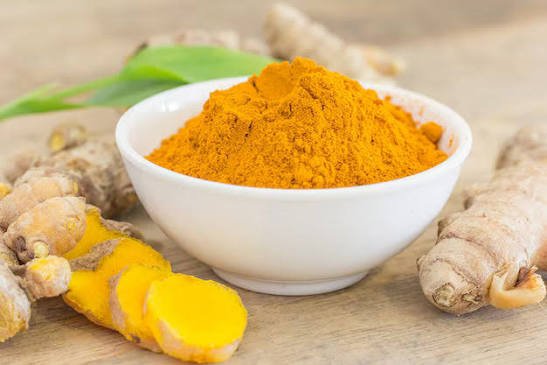

Every Indian household has that one specific dabba in the spice box that gets refilled the fastest. Yes, we are talking about haldi. From the daily dal-tadka and comforting haldi doodh to festive ubtan packs, turmeric is woven into the very fabric of Indian life.
But when it comes to healthy eating, have you noticed how often wellness experts recommend changing this specific kitchen staple first? There is a huge reason why pure turmeric powder is often the very first swap people make when transitiong to an organic lifestyle.
Unfortunately, the turmeric market in India can be a minefield of chemical enhancers, synthetic fillers, and heavy metals. In this ultimate organic turmeric powder buying guide India, we will dive deep into how to navigate your options, bypass clever marketing gimmicks, and pick authentic, chemical-free haldi for your family.
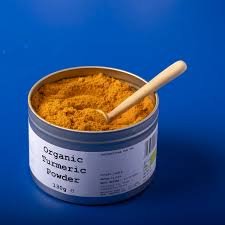
Why Haldi is One of the First Spices People Buy Organic
When you decide to switch your kitchen to clean, organic ingredients, it is smart to start with the spices you consume every single day. Turmeric is usually at the top of that list.
Conventional farming relies heavily on synthetic chemical fertilizers and synthetic pesticides to boost crop yield. Because turmeric is a root crop—growing entirely underground—it absorbs these soil chemicals directly into its skin and core. When these roots are processed into conventional powders, trace amounts of pesticide residue end up straight in your daily curry.
By choosing certified organic turmeric powder, you ensure that the spice was grown using natural composting and biological pest control. No toxic residues, no artificial enhancements—just pure, earthy goodness.
Organic Turmeric vs Regular Turmeric: The Hidden Differences
The differences between organic and conventional haldi extend far beyond just the farming stage. The industrial processing of regular spice powders can significantly diminish their natural nutritional value.
+--------------------------+---------------------------------+-----------------------------------+
| Feature                  | Certified Organic Turmeric      | Regular Conventional Turmeric     |
+--------------------------+---------------------------------+-----------------------------------+
| Pesticides & Chemicals   | Zero synthetic chemical residue | Frequently contains trace residues|
| Polishing & Appearance   | Naturally dried; unpolished     | Chemically polished for shine     |
| Essential Plant Oils     | Intact due to cold-milling      | Often stripped during heat milling|
| Anti-Caking Agents       | Completely free of additives    | Often added to prevent clumping   |
+--------------------------+---------------------------------+-----------------------------------+
Mass-market manufacturers often extract the highly valuable essential oils (like turmerones) from regular turmeric to sell separately to the pharma industry. What is left behind is a depleted powder that offers little therapeutic value.
True organic brands utilize cold-processing or low-temperature milling, keeping these natural oils completely intact. This preserves the distinct, deeply pungent aroma that lets you know your spice is genuinely alive.
What Colour Should Good Turmeric Powder Be?
There is a common misconception across Indian households that premium quality haldi must always look like a laser-vibrant, glowing neon yellow. This myth often drives shoppers straight into buying heavily adulterated foods.
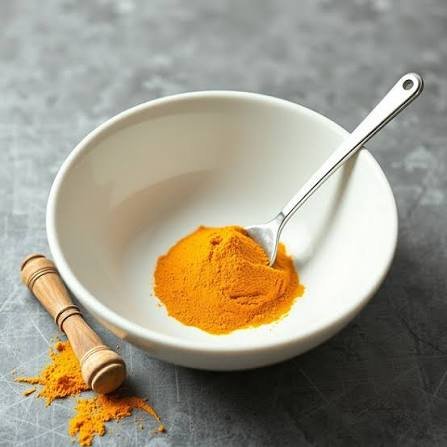
In reality, pure, unadulterated turmeric powder has a deep, golden-orange or warm amber hue. It looks grounded and rustic, rather than blindingly bright.
The exact shade depends heavily on the specific regional variety:
- Lakadong Turmeric: Grown in the Jaintia Hills of Meghalaya, this premium variety features a deep, fiery orange-brown tint due to its exceptionally high oil and antioxidant levels.
- Salem or Nizamabad Turmeric: These popular South and Central Indian varieties lean toward a warmer, rich golden-yellow look.
Why a Very Bright Colour Can Be a Serious Red Flag
If the packet of turmeric you just opened looks incredibly bright yellow, it might be time to test its purity. Unscrupulous suppliers frequently mask low-grade or spent turmeric roots by treating them with artificial chemical colorants.
The most notorious adulterants found in local markets include:
- Metanil Yellow: A highly toxic industrial azo dye frequently used in textile factories. Prolonged consumption is linked to stomach ailments and severe liver damage.
- Lead Chromate: A heavy chemical compound used to give a brilliant yellow sheen to subpar spice roots. Lead accumulation is deeply harmful to human health.
The 1-Minute Home Purity Test
The Food Safety and Standards Authority of India (FSSAI) recommends a quick, reliable way to check for artificial colorants right in your kitchen:
1.Prepare a Glass of Water:Use clean, ambient water.
Fill a clear, transparent glass or test tube with normal, lukewarm water.
2.Add a Spoonful of Turmeric:Do not stir the water.
Gently drop half a teaspoon of your turmeric powder onto the surface of the water. Do not mix or agitate it.
3.Observe the Settling Pattern:Wait for 15 to 20 minutes.
Pure turmeric powder will naturally absorb water, become heavy, and slowly settle down to the bottom of the glass, leaving the upper water relatively clear with a light translucent yellow glow.
4.Check for Discoloration:Identify chemical dyes.
If the water instantly changes into an intense, dark, opaque yellow color while the powder is still floating or settling, it is a clear indicator that water-soluble chemical dyes like Metanil Yellow are present.
Curcumin Percentage: Should Indian Shoppers Care?
If you are looking for therapeutic benefits, you need to understand curcumin. Curcumin is the primary bioactive chemical compound found inside turmeric that gives the spice its potent anti-inflammatory and cellular healing properties.
When reviewing a pure haldi buying guide, checking the curcumin percentage is a must:
- Standard Commercial Varieties: Regular grocery store turmeric usually contains around 2% to 3% curcumin. This is perfectly fine for basic, everyday culinary coloring.
- Premium Therapeutic Varieties: High-grade options like authentic Lakadong Turmeric test anywhere between 7% to 9% curcumin (or even higher).
If you are buying turmeric specifically to soothe joint pain, boost immunity, or prepare wellness tonics, investing in a high-curcumin brand is well worth it. You will get significantly more active compound per teaspoon.
Whole Turmeric Rhizomes vs Ready Powder: Which is Better?
A common dilemma for the savvy shopper is choosing between buying whole dried turmeric roots (sabut haldi) to grind at home versus buying pre-packaged organic powder.
+-----------------------+------------------------------------------+------------------------------------------+
| Factor                | Whole Dried Turmeric Roots               | Pre-packaged Organic Powder              |
+-----------------------+------------------------------------------+------------------------------------------+
| Risk of Adulteration  | Extremely low; easy to visually inspect  | Moderate; requires trusted certifications|
| Convenience Factor    | Low; requires heavy-duty kitchen mixers  | High; immediately ready for daily use    |
| Longevity & Freshness | Stays aromatic for up to a full year     | Oils slowly dissipate after opening      |
+-----------------------+------------------------------------------+------------------------------------------+
The Hybrid Approach: If you don’t have the heavy equipment to mill rock-hard dried roots at home, look for certified organic brands that grind in small, frequent batches. This provides the safety of packaged powder without sacrificing freshness.
Lab-Tested, Single-Origin, and Certified Organic Turmeric
To truly ensure you are buying clean food, ignore vague front-of-package claims like “100% Natural” or “Farm Fresh.” Instead, flip the package over and look for these concrete quality markers:
1. Indian and International Organic Certifications
Look for official trust seals directly on the label. The Jaivik Bharat logo is mandatory for verified organic food in India. It guarantees that the product complies with the National Programme for Organic Production (NPOP) regulations. Additional certificates like USDA Organic or OneCert provide excellent global validation.
2. Single-Origin Sourcing
Single-origin means the spice comes entirely from one specific farm or cooperative region rather than being cobbled together from different bulk wholesale markets. This offers excellent batch traceability and uniform flavour profiles.
3. Comprehensive Heavy Metal Lab Testing
Premium, transparent organic brands will gladly share a batch-specific QR code or report demonstrating that their product has been lab-screened for heavy metals (Lead, Arsenic, Cadmium) and aflatoxins (mould growth that can happen during careless drying).
Best Kitchen Uses: Maximizing Your Pure Haldi
Once you have sourced high-quality organic turmeric powder, you want to make sure you use it in ways that preserve its nutrients:
- Daily Dal and Sabzi: Always add your organic turmeric early during the tadka or simmering phase. Cooking it lightly in stable fats like pure cow ghee or cold-pressed mustard oil helps unlock fat-soluble curcumin, making it easier for your body to absorb.
- Golden Milk (Haldi Doodh): Simmer half a teaspoon of high-curcumin powder with milk and a tiny pinch of freshly ground black pepper. The piperine compound in black pepper acts as a natural booster, increasing curcumin absorption by up to 2000%.
- Traditional Pickles & Marinades: Thanks to its inherent antimicrobial characteristics, pure haldi works as an excellent natural preservative for raw mango or lime pickles while imparting a deep, rustic flavour to paneer or meat marinades.
How to Store Haldi Safely to Prevent Spoilage
High-quality organic spices do not contain chemical preservatives or anti-caking starches, making them slightly more sensitive to environmental factors. Use these simple tips to keep your spice fresh:
- Avoid Direct Sunlight: Ultraviolet light breaks down curcumin quickly, turning brilliant amber powders into a dull, inactive tan color. Store your main supply in an opaque ceramic jar or dark glass container inside a cool pantry closet.
- Keep Moisture at Bay: Never plunge a damp spoon into your jar. Wet utensils can introduce fungal spores, leading to internal mold growth.
- Keep Your Secondary Stash Small: Keep a tiny jar on your active spice counter for daily cooking, and keep the larger bulk pouch tightly sealed away. This minimizes how often the main batch is exposed to open air.
Frequently Asked Questions (FAQs)
1. Why is organic turmeric powder more expensive than regular mass-market haldi?
Organic farming requires manual weed management, traditional hand-harvesting, and rigorous non-chemical processing. Because farmers cannot use cheap synthetic fertilizers to artificially double their crop yields, production costs are naturally higher. You are paying for pure, chemical-free potency.
2. Can I use cosmetic turmeric powder for daily kitchen cooking?
No. Cosmetic-grade turmeric (often sold as Kasturi Manjal or wild turmeric) is an entirely different botanical variety (Curcuma aromatica). While it is exceptional for skincare and will not stain your face yellow, it has an intensely bitter taste and is not meant for dietary consumption.
3. How can I easily check if my turmeric contains added starch or chalk powder?
Mix a small teaspoon of turmeric powder into a glass of warm water and add a few drops of regular household vinegar. If the mixture starts fizzing or forming tiny bubbles, it indicates the presence of chalk powder or lime carbonates.
4. Which region in India grows the absolute best quality turmeric?
While excellent varieties grow across Andhra Pradesh, Tamil Nadu, and Odisha, the Jaintia Hills of Meghalaya are widely celebrated for producing the world’s finest turmeric—the famous Lakadong variety, renowned for its remarkably high natural curcumin percentages.
See Also
How to make organic turmeric powder at home | home made turmeric preparation | Raw Turmeric Powder
Turmeric Powder at home | 100% pure
Organic Jaggery vs Regular Jaggery: How to Choose Better Gur for Your Indian Kitchen
How to Check Organic Certification Online in India: A Simple Shopper’s Guide