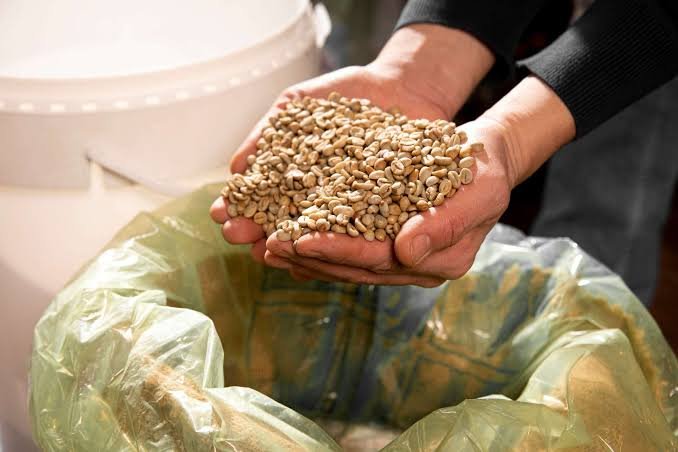
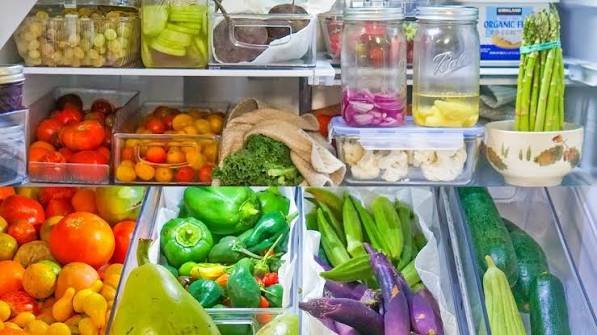

There is nothing quite like bringing home a vibrant, fresh bundle of organic palak, fragrant coriander, or bitter-sweet methi from your local farm market or organic store. Organic greens are healthier, entirely free from toxic chemical pesticides, and packed with authentic flavor. However, if you’ve ever bought a fresh bunch of organic hari sabzi, put it in your refrigerator, and opened it two days later only to find a slimy, yellowed, wilting mess—you are definitely not alone!
Organic leafy greens tend to spoil significantly faster than commercially grown, chemical-treated vegetables. Because they are grown naturally without synthetic preservatives or wax coatings, their respiration rate is high. In an Indian household where fresh leafy greens are an absolute staple for dal palak, methi parathas, or daily green chutneys, food waste like this feels heartbreaking—and expensive!
If you are wondering how to store organic leafy vegetables in fridge so they remain crisp, vibrant, and nutrient-dense for up to two weeks, this ultimate guide is for you. We have tested these exact methods in real Indian kitchens so you can preserve your produce, save money, and cut down on kitchen waste effortlessly.
💡 Quick Guide: 6 Steps on How to Store Organic Leafy Vegetables in Fridge
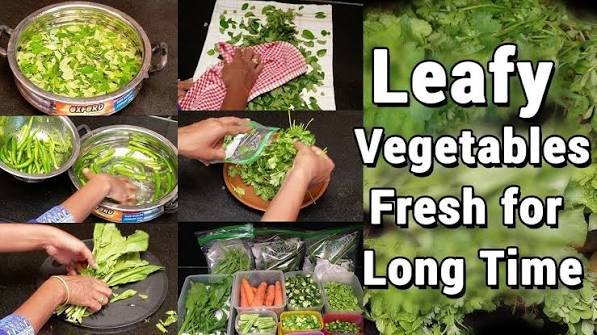
- Unbind Immediately: Remove all rubber bands, plastic wrappers, or tight strings as soon as you bring the leafy greens home to allow air circulation.
- Sort and Trim: Discard yellow, wilted, or slimy leaves, and slice off muddy root ends (especially for coriander and spinach).
- Wash & Treat (Optional/Need-Based): Wash in cold water with a pinch of turmeric or salt only if muddy. Skip washing if leaves are clean to prevent moisture buildup.
- Dry Completely: Spin in a salad spinner or lay leaves flat on a clean cotton kitchen towel until every drop of surface water evaporates.
- Wrap in Moisture-Absorbing Layers: Wrap the dry leaves loosely in a clean cotton cloth, muslin fabric, or unbleached paper towels.
- Store in an Airtight Container in the Crisper: Place wrapped greens inside an airtight glass or BPA-free container and store in your refrigerator’s crisper drawer (maintained at 1°C–4°C).
1. Quick Answer: Six Storage Steps for Long-Lasting Leafy Greens
Understanding how to store organic leafy vegetables in fridge efficiently comes down to one single rule: humidity management. Leafy greens need a cold environment with high humidity so they don’t dry out, but they must be protected from free-standing surface moisture, which causes mold and rapid decay.
By following the 6-step routine outlined in our featured snippet above, you create a balanced micro-climate inside your refrigerator. Removing tight bindings prevents bruising at the stem. Sorting out damaged leaves stops decay from spreading—as the old saying goes, one bad leaf spoils the whole bunch! Finally, combining a moisture-absorbing layer (like cotton cloth) inside an airtight container keeps ambient humidity high without letting condensation touch the leaves directly.
2. Why Organic Leafy Vegetables Spoil Quickly in Indian Kitchens
Have you ever wondered why farm-fresh organic greens turn soft and slimy faster than conventional market greens? There are three main scientific reasons for this:
- Higher Respiration Rate: Once harvested, leafy greens continue to “breathe” by taking in oxygen and breaking down stored sugars. Organic leaves, being completely natural and untreated, have higher metabolic activity.
- Absence of Chemical Preservatives & Anti-Fungal Sprays: Non-organic greens are frequently sprayed with post-harvest fungicides or synthetic wax to slow down moisture loss and prevent fungal growth. Organic greens have no such chemical shield.
- Ethylene Sensitivity & Moisture Sensitivity: Leafy greens are highly sensitive to ethylene gas (a natural aging hormone released by fruits like apples, bananas, and tomatoes). When exposed to warm kitchen temperatures or moisture trapped in plastic bags, bacterial decay explodes.
3. Should Leafy Greens Be Washed Before Refrigeration? (Wash vs. Wash-Later)
One of the most debated questions among Indian home cooks is whether to wash saag and herbs right after buying or just before cooking. The answer depends on how dirty the produce is and how quickly you plan to dry it!
| Parameter | Wash BEFORE Refrigeration | Wash LATER (Right Before Cooking) |
| Best Suited For | Very muddy farm-fresh greens (like methi, palak, amaranth). | Clean, dry organic greens, delicate herbs like coriander and mint. |
| Primary Advantage | Ready-to-cook convenience; removes soil bacteria early. | Zero risk of residual moisture causing rapid leaf rot in the fridge. |
| Primary Risk | If leaves remain slightly wet, they will turn slimy in 48 hours. | Mud and dust remain in your fridge container if uncleaned. |
| Shelf-Life Expectancy | 7 to 10 days (if 100% dry before storage). | 10 to 14 days (consistently longer shelf life). |
| Recommended Action | Wash thoroughly, use a salad spinner, and air-dry under a fan for 1 hour. | Trim muddy roots, wrap in cloth dry, wash just before chopping. |
Expert Tip for Indian Kitchens: If you choose to wash before storing, add 1/2 teaspoon of turmeric powder or rock salt to a bowl of cold water and soak the leaves for 5 minutes. Turmeric acts as a gentle, natural antibacterial cleanser. Rinse thoroughly with fresh cold water afterwards.
4. How to Dry Leaves Properly Without Damaging Delicate Stems
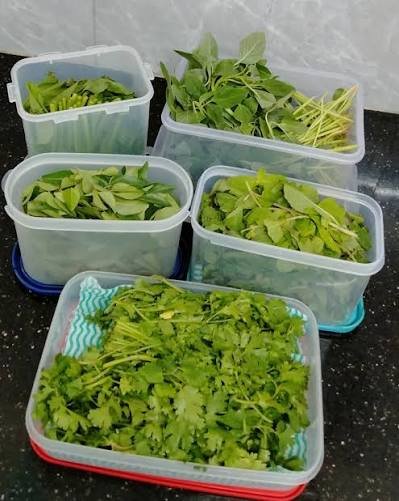
If you leave even a few tiny droplets of surface water on your leaves, rot will set in within two days. Master the art of drying greens with these three effective techniques:
- The Salad Spinner Method (Fastest & Best): Place washed leaves in a salad spinner basket and spin vigorously. Centrifugal force throws all surface water off without bruising delicate cell walls.
- The Fan-Drying Cotton Cloth Technique: Spread a large, clean cotton dupatta or kitchen towel on your dining table under a ceiling fan. Lay the leaves in a single layer and let them air-dry for 30–45 minutes until completely bone-dry to the touch.
- The Gentle Towel Roll: Lay leaves flat on a thick cotton towel, place another towel on top, and gently pat down. Do not wring or press hard, as crushing the leaf veins accelerates browning.
5. Cloth, Paper Towel, or Airtight Container? Finding the Right Storage Combo
How you wrap and enclose your produce determines whether it wilts or stays crisp. Let’s compare common storage materials used in Indian households:
- Thin Plastic Grocery Bags (Avoid!): Traps moisture, prevents respiration, and creates a humid mini-greenhouse that turns spinach to mush in 48 hours.
- Unbleached Paper Towels: Excellent at absorbing excess moisture. Place 1-2 sheets at the bottom and top of your container.
- Cotton / Muslin Cloth Bags (Highly Recommended): Environmentally friendly, washable, and reusable. Cotton allows air circulation while absorbing excess humidity, making it ideal to keep spinach fresh without plastic.
- Airtight Glass or Stainless Steel Containers: Essential for outer storage. An airtight lock prevents cold, dry refrigerator air from dehydrating the leaves.
The Winning Storage Formula: Leafy Greens + Cotton Cloth / Paper Towel Wrapper + Rigid Airtight Box + Fridge Crisper Drawer = 10 to 14 Days of Freshness!
6. Customized Storage Methods for Popular Indian Leafy Greens
Different Indian greens have unique stem structures, leaf thickness, and moisture levels. Here is how to store coriander and leafy greens based on specific variety requirements.
A. How to Store Spinach (Palak)
Organic palak leaves are succulent and release moisture quickly. To maintain crispness, clip the bottom muddy stems, but keep the leaves intact. Dry thoroughly, wrap in a soft cotton cloth, and place inside a wide rectangular container. Do not pack too tightly; overcrowding crushes the leaves.
B. How to Store Methi (Fenugreek Leaves)
Methi stems hold significant moisture, causing yellowing if left bundled. Pluck the individual leafy sprigs from thick stems before storage. Ensure the plucked leaves are completely dry, layer them with paper towels in a stainless steel or glass box, and refrigerate.
C. How to Store Coriander (Dhania) – Stem-in-Water vs. Paper Wrap
Coriander is notoriously delicate. There are two brilliant ways to store coriander and leafy greens like cilantro:
- Jar Method (For Unwashed Coriander): Trim root ends. Fill a glass jar with 1 inch of fresh water. Place coriander stems upright in the jar like a floral bouquet. Cover the top loosely with a cloth or lightweight bag and place in the fridge. Change water every 3 days. Lasts 2+ weeks!
- Box Method: Chop off muddy roots, wrap unwashed coriander in a cotton cloth or kitchen tissue, and seal in an airtight box.
D. How to Store Amaranth Greens (Chaulai / Thotakura)
Amaranth greens wilt rapidly if exposed to dry air. Remove damaged leaves, keep stems intact, wrap firmly in a damp (not dripping wet) cotton cloth, and place inside the vegetable crisper drawer.
E. How to Store Lettuce & Salad Greens
Salad leaves require high humidity. Wash in ice-cold water to crisp them up, spin completely dry, and store in a container lined with paper towels. Drop a small piece of dry kitchen sponge inside the container to absorb ambient moisture!
F. How to Store Mustard Greens (Sarson) & Kale
Thick, fibrous greens like sarson and kale are resilient. Remove tough lower stems, wrap in cotton towels, and store in reusable silicone bags or airtight containers in the coldest part of the fridge.
7. Plastic-Free Storage Options for Eco-Conscious Indian Kitchens
If you are striving for a zero-waste, eco-friendly kitchen, you can easily keep spinach fresh without plastic using these traditional and modern sustainable alternatives:
- Stainless Steel Tiffins & Dabbas: Heavy stainless steel containers retain cold temperatures exceptionally well and keep wrapped greens crisp without synthetic chemicals.
- Beeswax Wraps: Natural cotton sheets infused with beeswax and jojoba oil create a breathable, water-resistant seal ideal for wrapping small herbs like mint and coriander.
- Traditional Damp Muslin / Malmal Cloth: Used in Indian homes for generations. Wrapping greens in slightly damp malmal cloth keeps leaves hydrated through natural evaporation without soaking them.
- Glass Tupperware & Mason Jars: Non-reactive, clear, easy to monitor, and 100% recyclable.
8. How to Revive Mildly Wilted Greens (The Ice Bath Trick)
Did you accidentally leave a bunch of spinach on the kitchen counter, causing it to go soft and limp? Don’t throw it out! As long as the leaves aren’t slimy or yellowed, you can revive them easily using osmosis:
- Fill a large mixing bowl with freezing cold water and add 5–6 ice cubes.
- Trim 1/2 inch off the bottom stems of your wilted greens.
- Submerge the greens completely in the ice bath for 20 to 30 minutes.
- Watch as the plant cells absorb water, making the leaves plump, crisp, and vibrant again!
- Drain, dry thoroughly, and use immediately in your cooking.
9. Which Leafy Greens Can Be Frozen for Long-Term Storage?
When you buy organic greens in bulk, freezing is an excellent way to extend their shelf life up to 6 months. However, you should never freeze raw leaves directly, as icy conditions rupture cell walls, turning raw leaves into mush when thawed.
The Blanching Method for Freezing Greens:
- Blanch leaves (spinach, methi, or mustard greens) in boiling water for 60 to 90 seconds.
- Transfer immediately to an ice-cold bath to stop the cooking process and preserve vivid green chlorophyll.
- Squeeze out all excess water and roll into small, single-use portion balls.
- Place balls on a tray, freeze solid for 2 hours, then transfer into freezer-safe containers or silicone bags.
- Drop frozen green balls directly into curries, dals, or paratha dough—no thawing needed!
Note: Delicate herbs like coriander and mint do not blanch well. Instead, puree fresh herbs with a splash of water or olive oil and freeze them in ice cube trays!
10. Clear Signs Your Vegetables Should Be Discarded
While preserving food is important, eating spoiled greens can lead to foodborne illness or upset stomach. Discard your leafy greens immediately if you notice any of these warning signs:
- Slimy or Slippery Texture: Indicates advanced bacterial decomposition.
- Dark Brown or Black Liquid: Leaves leaking dark moisture inside the container.
- Pungent or Sour Odor: Fresh greens should smell earthy and herbal; any sour or foul smell means bad bacteria have taken over.
- Mold or Fuzzy Growth: White, grey, or black mold spots mean the batch is unsafe for consumption.
11. Common Storage Mistakes to Avoid
Even with the best intentions, small kitchen mistakes can ruin fresh produce. Here are five top mistakes to avoid when mastering how to store organic leafy vegetables in fridge:
- Storing Next to Ethylene Producers: Never store leafy greens beside ripe bananas, apples, tomatoes, or papayas. Ethylene gas makes greens turn yellow within 24 hours.
- Washing Without 100% Drying: Storing damp leaves inside a sealed box is the single fastest way to turn them slimy.
- Crowding the Crisper Drawer: Packing greens tightly crushes leaf tissue and stops airflow. Give your veggies breathing room.
- Setting Refrigerator Temperature Too Low: If your fridge drops below 0°C, delicate leaf tissues freeze and turn mushy upon thawing. Keep fridge temperature stable between 1°C and 4°C.
- Using Sealed Plastic Bags Direct from Market: Leaving greens inside non-breathable market polythene traps moisture and gases.
12. Expected Shelf Life: Quick Reference Table
Here is a handy summary of how long your organic leafy vegetables will last when stored using our recommended moisture-controlled wrapping method:
| Leafy Green Variety | Conventional Polybag Storage | Recommended Cloth + Container Method | Freezer Storage (Blanched) |
| Spinach (Palak) | 2 – 3 Days | 7 – 10 Days | 6 Months |
| Fenugreek (Methi) | 2 – 3 Days | 8 – 12 Days | 6 Months |
| Coriander (Dhania) | 3 – 4 Days | 12 – 14 Days (Jar Method) | 3 Months (Pureed Cubes) |
| Amaranth (Chaulai) | 2 Days | 5 – 7 Days | 4 Months |
| Lettuce / Salad Greens | 3 Days | 7 – 9 Days | Not Recommended |
| Mustard Greens (Sarson) | 4 Days | 10 – 14 Days | 6 Months |
13. Frequently Asked Questions (FAQs)
Q1. How to keep spinach fresh without plastic bags in an Indian fridge?
To keep spinach fresh without plastic, unbind the fresh bundle, discard damaged leaves, and ensure the spinach is completely dry. Wrap the dry spinach loosely in a clean, dry cotton cloth or kitchen towel, and place it inside an airtight stainless steel container or glass box in your fridge’s crisper drawer. This keeps spinach crisp for up to 10 days.
Q2. Can I store coriander and leafy greens in newspaper?
While newspaper was traditionally used in Indian homes to absorb moisture, it is not recommended today because toxic chemical printing inks can leach into delicate greens. Always opt for food-grade unbleached paper towels, cotton cloth, or muslin fabric instead to safely store coriander and leafy greens.
Q3. What temperature is best for storing organic leafy vegetables in the fridge?
The ideal refrigerator temperature for organic greens is between 1°C and 4°C (34°F to 39°F). Place your wrapped greens in the dedicated vegetable crisper drawer, which maintains steady humidity and protects greens from direct blasts of icy air.
Q4. Why do my organic greens turn yellow after 3 days?
Yellowing is caused by natural chlorophyll breakdown due to lack of light, elevated temperatures, or exposure to ethylene gas released by nearby fruits like apples or tomatoes. Store greens separately in airtight containers away from ethylene-emitting produce.
Conclusion & Final Thoughts
Learning how to store organic leafy vegetables in fridge properly requires just a few extra minutes after grocery shopping, but the rewards are huge! By mastering moisture management, utilizing cotton cloth wrappers, choosing zero-plastic options, and storing greens in airtight boxes, you can enjoy crisp, nutrient-dense organic palak, methi, and coriander for up to two weeks.
Not only will you save money and reduce food waste, but you’ll also ensure your family always has access to wholesome, chemical-free greens for healthy home-cooked Indian meals. Try these tested tips on your next farm haul and experience the freshness difference!