
When you decide to switch to organic food, you do it for your health, your family’s safety, and the planet. But if you have ever ordered organic daal or fresh produce online, you probably felt a pinch of guilt seeing every single apple, cucumber, or packet of organic turmeric wrapped in layers of thick, non-recyclable plastic film.
It feels completely counterproductive, doesn’t it? Choosing organic food is meant to protect Mother Earth from harmful pesticides, yet the mountains of single-use plastic waste left behind tell a totally different story.
If you are wondering how to make your organic food haul genuinely sustainable, you are in the right place! Mastering organic food without plastic grocery shopping India style is much easier than you think. In fact, zero-waste living is deeply rooted in our traditional Indian lifestyle—our grandparents were doing it long before terms like “zero-waste” or “eco-friendly” became trendy keywords!
In this comprehensive guide, we will walk you through a step-by-step roadmap to eliminate plastic from your kitchen purchases, explore bulk refill markets across Indian cities, compare packaging materials, and master the art of plastic-free organic storage.
1. Quick Answer: 7 Steps to Reduce Grocery Packaging
If you are looking for a quick featured snippet summary to kickstart your journey today, here is the golden 7-step checklist for seamless plastic-free grocery shopping in India:
- Audit Your Kitchen Waste First: Identify which organic staples generate the most plastic packaging (e.g., milk pouches, oil packets, lentils, or leafy greens).
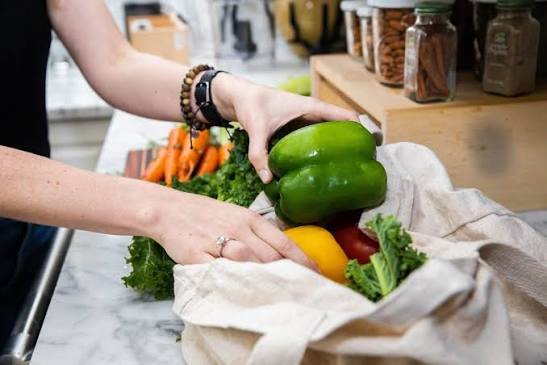
- Build a “Zero-Waste Shopping Kit”: Keep a dedicated trunk bag filled with washable cotton mesh bags, stainless steel containers (dabbas), and glass jars before heading out.
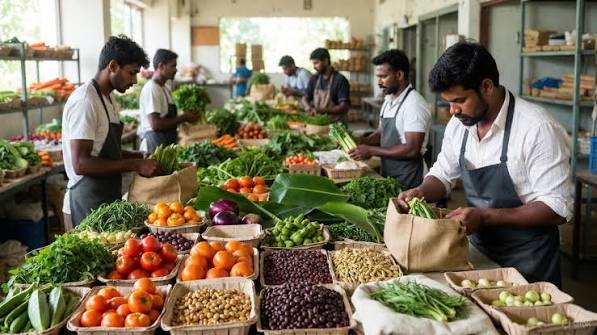
- Shop at Local Farmers’ Markets (Rythu Bazaars & Sabzi Mandis): Buy loose, seasonal organic produce directly from farmers who hand over fruits and vegetables without any plastic wrap.
- Locate Package-Free & Refill Stores:Visit specialized zero-waste retail platforms like Adrish Zero Waste, Green Mantra, or local organic co-ops where you can fill your own jars from wooden dispensers.
- Switch to Traditional Cold-Pressed Oil Mills (Ghani): Purchase mustard, sesame, or groundnut oil directly in reusable glass bottles or stainless steel canisters (kitli).
- Master Bulk Purchasing for Dry Essentials: Buy certified organic rice, wheat flour (atta), pulses, and whole spices in 5kg–10kg breathable jute or cloth sacks instead of multiple 500g plastic packets.
- Say No to Fake “Compostable” Plastics: Avoid thin oxo-degradable or bioplastic bags unless you have a high-temperature industrial composting facility nearby; stick strictly to natural cloth, steel, and paper alternatives.
2. What to Carry for a Plastic-Free Grocery Trip
Going to the market unprepared is the single biggest reason we end up bringing plastic covers back home. To master plastic-free grocery shopping in India, building a reusable, permanent shopping kit is non-negotiable.
Here is what your zero-waste shopping kit should include:
- Sturdy Cotton Cloth Bags (Tholas): Bring at least 2–3 large canvas or heavy-duty tote bags capable of holding heavy grains, squashes, and root vegetables.
- Drawstring Produce Mesh Bags: Lightweight cotton mesh bags are essential for smaller items like lemons, tomatoes, chilies, garlic, and onions. They let vegetables breathe and allow street vendors to weigh your items easily without taking them out.
- Stainless Steel Dabbas & Tiffin Boxes: Perfect for delicate organic produce that crushes easily (like strawberries, grapes, microgreens, or soft paneer) or sticky items like wet dates and jaggery.
- Clean Glass Jars & Bottles: Carry 1-liter glass bottles or mason jars if you plan to refill oils, ghee, liquid hand washes, or honey.
- A Permanent Marker & Tare Weights: If you visit a zero-waste bulk store, weigh your empty containers first and write down the empty weight (tare weight) on the lid so you only pay for the food inside!
Pro Tip: Keep your eco-friendly shopping kit in your car trunk or near your main door so you never leave home for a grocery run without it!
3. Where to Find Loose and Refill Groceries
Finding stores that allow you to buy organic food without plastic is getting easier every day across India. While conventional supermarkets thrive on multi-layer plastic packaging, several conscious retail channels encourage bulk purchasing and refilling.
Local Organic Stores & Neighborhood Kirana Shops
Before looking at fancy eco-boutiques, walk down to your local Kirana store. Traditional neighborhood grocers have been selling loose pulses, rice, sugar, and whole spices out of large burlap sacks for decades. Many small-scale organic shops now stock loose grains, allowing you to scoop exact quantities directly into your own cloth bags.
Specialized Zero-Waste Stores in India
India is currently experiencing a zero-waste revolution driven by dedicated eco-entrepreneurs. These stores feature wooden gravity dispensers, stainless steel bins, and glass dispensers designed specifically for package-free shopping.
- Adrish Zero Waste:Operating across major cities including Mumbai, Pune, Delhi, Bengaluru, Hyderabad, and Chennai, Adrish offers 100% organic, farm-sourced staples in zero-plastic, refillable setups.
- Green Mantra (Bengaluru): A pioneer in home refills and bulk organic grocery options.
- EcoIndian (Chennai):Offers organic kitchen staples, personal care products, and snacks in reusable glass or paper packaging.
- For Earth’s Sake (Gurugram) & Eco Posro (Goa): Excellent regional hubs for plastic-free, organic home shopping.
4. Farmers’ Markets, Cooperatives, and Bulk Stores
If you want the freshest organic vegetables without a single piece of plastic wrap, direct farm-to-consumer outlets are your absolute best option.
+--------------------------------------------------------------------+
|                    Plugging Into Zero-Waste Networks                 |
+--------------------------------------------------------------------+
|                                                                      |
| [Weekly Organic Farmers' Markets ] -> Sourced locally & package-free |
| [ Agricultural Cooperatives ]      -> Organic staples in bulk jute   |
| [ Traditional Wood-Pressed Mills ] -> Fresh oil in steel kitlis      |
|                                                                      |
+---------------------------------------------------------------------+
- Weekly Organic Farmers’ Markets (Organic Haats): Cities like Mumbai (The Earth Collective), Delhi, Bengaluru, Pune, and Kolkata host weekly organic markets where local farmers bring their produce directly from the fields. The vegetables are unpackaged, chemical-free, and significantly fresher than supermarket stock.
- Agricultural Cooperatives & Farmer Producer Organizations (FPOs): Joining an organic consumer cooperative allows you to buy staples directly from farmer groups. Purchasing 10kg–25kg bags of unpolished organic Toor Daal, Basmati Rice, or Sona Masoori in woven jute or cotton sacks eliminates dozens of single-use plastic pouches.
5. Which Groceries Are Suitable for Reusable Containers?
Not every food item can be tossed loosely into a cloth bag. Understanding which container works best for each type of organic food prevents messy spills and contamination:
                  ┌─────────────────────────────────┐
                  │ Reusable Packaging Matchmaker   │
                  └────────────────┬────────────────┘
                                   │
      ┌────────────────────────────┼────────────────────────────┐
      ▼                            ▼                            ▼
[ Cloth / Mesh Bags ]     [ Stainless Steel ]       [ Glass Jars ]
• Whole Grains            • Flours & Atta           • Cold-Pressed Oils
• Dry Pulses & Beans      • Organic Paneer          • Raw A2 Ghee
• Apples, Potatoes, Onions• Sticky Jaggery / Dates • Honey & Raw Spices
- Dry Whole Grains & Legumes (Best for Cloth Bags): Whole chickpeas (chana), rajma, lentils, unpolished rice, millets (ragi, bajra, jowar), and whole spices hold up remarkably well in breathable cotton bags.
- Finely Ground Powders & Flours (Best for Steel Dabbas): Organic wheat atta, besan, turmeric powder, and chili powder can seep through woven cloth pores. Transfer them directly into airtight stainless steel containers at the store.
- Wet & Dairy Products (Best for Steel or Glass): Fresh organic paneer, wet butter, organic curd, or batter should always go into leak-proof stainless steel or glass tiffin boxes.
- Soft Fruits & Leafy Greens (Best for Wide Baskets or Mesh Bags): Fresh spinach, coriander, strawberries, and tomatoes require open-weave mesh bags or wide cane baskets to prevent bruising and sweating.
6. Cloth, Steel, Glass, and Paper Packaging Comparison
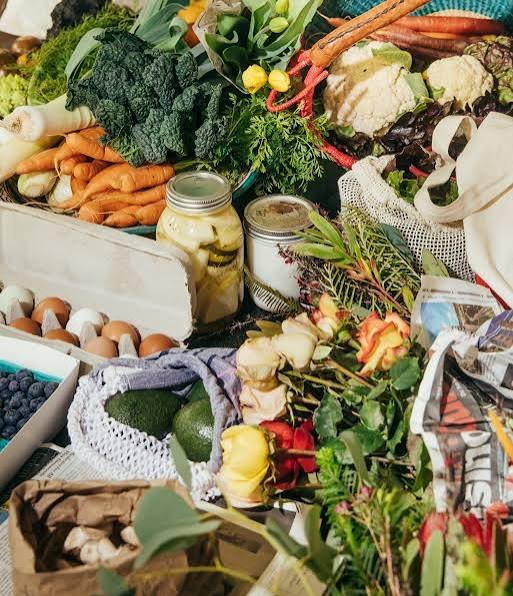
When navigating zero-waste grocery shopping India, choosing the right material for carrying and storing food is critical. Here is a clear breakdown comparing common eco-friendly materials:
| Packaging Material | Reusability Factor | Ideal Organic Food Pairings | Pros | Cons |
| Cotton / Cloth Bags | High (Washable 100+ times) | Whole grains, pulses, hard fruits, nuts, millets | Lightweight, breathable, easy to carry | Fine powders can leak through fabric mesh |
| Stainless Steel (Dabbas) | Exceptional (Lifetime durability) | Atta, spices, paneer, butter, wet jaggery | Non-reactive, non-breakable, leak-proof options | Cannot see internal contents without opening |
| Glass Containers | High (Lifetime if handled with care) | Oils, ghee, raw honey, pickles, dry spices | Non-reactive, transparent, highly hygienic | Heavy to carry in large quantities, breakable |
| Unbleached Kraft Paper | Single-to-few uses (Recyclable / Compostable) | Bakery goods, tea leaves, dry snacks | Biodegradable, light, convenient backup | Rips easily when wet or holding heavy items |
7. How to Buy Oils and Liquids With Less Packaging
Edible oil pouches and plastic jars are major contributors to household plastic waste. Since liquid pouches cannot be easily recycled in municipal waste streams, switching your oil supply to a sustainable model makes a massive difference.
1. Visit Traditional Cold-Pressed Oil Mills (Ghani / Chekku)
Every major Indian neighborhood has cold-pressed oil units where groundnut, mustard, coconut, and sesame oils are extracted fresh. Bring your own clean 2-liter or 5-liter glass bottles or stainless steel containers (kitlis). The operator will fill your container directly from the extraction machine, saving you money while keeping plastic out of the landfill.
2. Purchase Oil in Large Recyclable Tin Cans
If local oil mills are unavailable, buy certified organic oils packaged in 3-liter to 5-liter tin cans. Metal tins are infinitely recyclable in India through local Kabadiwalas (scrap dealers) and offer superior protection against light and air degradation compared to clear plastic bottles.
3. Glass Bottle Return Programs
Brands like Adrish and local organic co-ops sell ghee and oils in high-quality glass jars. Many of these brands offer bottle deposit-and-return systems—return your clean empty bottle on your next purchase to receive a store credit or discount!
8. Compostable and Biodegradable Packaging Claims: Fact vs. Myth
As consumer demand for sustainability grows, many organic brands are switching to “green-looking” packaging labeled as compostable, biodegradable, or plant-based bioplastic. However, you need to be very careful with these claims:
The Reality Check:
- “Biodegradable” Plastics: Most bioplastic bags (made from cornstarch or polylactic acid – PLA) require high-heat industrial composting facilities ($>60^\circ\text{C}$) to decompose. If thrown into a regular Indian garbage bin or home compost pit, they behave exactly like regular plastic, lingering in landfills for decades!
- Oxo-Degradable Plastics: These contain chemical additives that cause the plastic to break down quickly into tiny microplastics when exposed to sunlight. They do not vanish; they simply become invisible micro-pollutants that contaminate our soil and groundwater!
How to spot true eco-friendly packaging:
- Look for certified home-compostable seals with standard certification numbers (such as CPCB certification in India).
- Trust unbleached, plain brown paper or plant-based cellulose films that break down easily in home compost setups within 30 to 60 days.
- Rule of Thumb: Whenever possible, prioritize reusable containers over any form of disposable packaging—even compostable ones!
9. Ten Easy Packaging Swaps for Indian Kitchens
Making the switch to plastic-free living doesn’t have to happen overnight! Start by replacing these ten common plastic culprits in your kitchen with sustainable Indian alternatives:
+---------------------------------------------------------------------+
|                  10 Plastic-Free Grocery Swaps                      |
+---------------------------------------------------------------------+
|  1. Plastic Milk Pouches       ──►  Glass Bottles / Local Dairy Booth |
|  2. Cling Film Packaging       ──►  Beeswax Wraps / Plates over Bowls |
|  3. Plastic Grocery Bags       ──►  Washable Cotton Tholas            |
|  4. Refined Oil Pouches        ──►  Cold-Pressed Oil in Tin Cans      |
|  5. Packaged Dahi / Curd       ──►  Homemade Curd in Clay Handi       |
|  6. Wrapped Microgreens        ──►  Kitchen Garden / Loose Mandi Greens|
|  7. Commercial Tea Bags        ──►  Loose Organic CTC / Leaf Tea      |
|  8. Sealed Plastic Spices      ──►  Bulk Loose Spices in Glass Jars   |
|  9. Plastic Snack Pouches      ──►  Local Bakery Paper Bags           |
| 10. Synthetic Kitchen Sponges  ──►  Natural Coconut Coir Scrubber     |
+---------------------------------------------------------------------+
- Milk Pouches $\rightarrow$ Glass Bottle Delivery / Local Booths: Switch from daily plastic poly-pouches to traditional glass bottle milk subscriptions or carry a steel utensil to local dairy outlets (Mother Dairy / local milkmen).
- Plastic Cling Wrap $\rightarrow$ Beeswax Wraps / Stainless Steel Lids: Ditch single-use plastic wrap for storing half-cut pumpkins or left-over food. Use washable beeswax food wraps or simply cover bowls with a stainless steel plate.
- Single-use Polybags $\rightarrow$ Cotton Tholas: Keep woven cloth bags stored inside your scooter or car trunk so you are never forced to accept a plastic carry bag.
- Plastic Oil Pouches $\rightarrow$ Refillable Glass / Tin Canisters: Purchase wood-pressed oils in bulk steel tins or fill glass bottles at local oil mills.
- Store-bought Plastic Curd Tubs $\rightarrow$ Homemade Curd in Clay Pots: Buy organic raw milk and set curd at home in a traditional clay handi for improved texture and zero packaging waste.
- Plastic-Wrapped Leafy Greens $\rightarrow$ Loose Organic Mandi Produce: Skip supermarket greens packed in hard clamshell plastic; buy loose bunches of spinach, methi, and mustard greens directly from local farmers.
- Plastic-Lined Tea Bags $\rightarrow$ Loose Organic Tea Leaves: Most tea bags contain synthetic plastic fibers (polypropylene) to heat-seal the edges. Switch to loose-leaf organic tea stored in reusable tin boxes.
- Small Spice Packets $\rightarrow$ Whole Spices from Bulk Bins: Buy whole cinnamon, cardamom, and cumin from bulk bins and grind them fresh at home using a mixer-grinder or traditional mortar and pestle (Hamam Dista).
- Packaged Chips & Namkeen $\rightarrow$ Local Organic Bakery Goods: Buy dry snacks in brown paper bags from local bakeries or make roasted makhana and chana snacks at home.
- Synthetic Dishwashing Sponges $\rightarrow$ Natural Coconut Coir / Scrub Pads: Replace foam dishwashing sponges (which shed microplastics into your drain) with 100% natural coconut fiber scrubbers.
10. How to Store Loose Groceries Safely Without Plastic
A common worry for beginners doing zero-waste grocery shopping in India is pantry pests. In humid weather, loose organic grains can easily attract flour beetles (susri) or pantry moths if stored incorrectly.
Here is how to safely store loose organic groceries without plastic:
- Sun-Drying (The Ancient Indian Hack): As soon as you bring loose grains, millets, or pulses home in your cloth bags, spread them on a clean cotton sheet under direct sunlight for 2 to 3 hours. Sunlight destroys trace moisture and invisible insect eggs.
- Airtight Glass and Stainless Steel Containers: Transfer all loose dry groceries into clean, dry stainless steel containers or thick glass jars immediately. Ensure the silicone or metal latches create an airtight seal.
- Add Natural Bug Repellents: Place 2–3 dried Neem leaves, whole bay leaves (Tejpatta), or cloves inside your grain jars. Their natural essential oils act as powerful insect deterrents without leaving any chemical residue.
- Cold Storage for Whole Wheat Flours: Organic unbleached flours retain natural oils that can spoil in hot weather. Store specialty flours (such as organic Khapli wheat flour, ragi, or almond flour) in glass containers inside the refrigerator.
11. How to Balance Hygiene, Convenience, and Waste Reduction
Transitioning to a plastic-free lifestyle does not mean sacrificing food safety or making your life overly complicated! Here is how to maintain high hygiene standards without relying on single-use plastics:
                  ┌──────────────────────────────────┐
                  │ The Plastic-Free Hygiene Formula │
                  └────────────────┬─────────────────┘
                                   │
      ┌────────────────────────────┼────────────────────────────┐
      ▼                            ▼                            ▼
[ Deep Washing ]          [ Hot Water Sterilization ]   [ Smart Meal Planning ]
Soak loose produce in     Sterilize glass jars          Buy exact bulk quantities
water & salt / vinegar    and steel containers          to avoid pantry spoilage
- Washing Loose Organic Produce Properly: Wash all loose fruits and vegetables thoroughly under cold running water. For extra safety, soak root vegetables and greens in a basin of water mixed with 1 tablespoon of salt and baking soda (or vinegar) for 10 minutes to remove dirt and surface bacteria before air-drying.
- Sterilizing Reusable Containers: Wash glass jars and steel dabbas with hot soapy water and let them air-dry completely under the sun before taking them to the market for refills.
- Pacing Yourself to Prevent Burnout: Don’t feel pressured to make every single aspect of your kitchen plastic-free in a single week. Start with high-impact categories like produce and cooking oils. Once those habits stick, move on to pulses, spices, and household cleaners!
12. Building City-Specific Zero-Waste Directories
Finding plastic-free organic suppliers gets much easier when local communities collaborate! You can actively participate in building zero-waste resources for your own city:
Popular Plastic-Free Outlets Across Major Indian Metro Cities:
- Mumbai:Visit Adrish Zero Waste outlets in Bandra & Andheri, or shop at Vnya for organic package-free food.
- Bengaluru:Explore Green Mantra in Spice Garden Layout, Adrish outlets, or Bare Necessities for eco-friendly home refills.
- Delhi-NCR: Visit Adrish in Delhi and For Earth’s Sake in Gurugram.
- Chennai: Stop by EcoIndian for bulk organic dry goods and zero-plastic home essentials.
- Kolkata:Look out for local organic markets like Kolkata Zero Waste Bazaar and local organic producer networks.
How to Help Build Your Local Eco Directory:
- Map Your Local Cold-Pressed Oil Mills: Add local oil mills and bulk kirana stores to Google Maps with clear tags like “Package-Free” or “Refill Friendly.”
- Form Local WhatsApp / Telegram Groups: Connect with neighborhood eco-conscious shoppers to organize bulk co-op purchases directly from organic farms.
- Engage with Local Vendors: Respectfully ask your regular organic vendors if they would allow you to bring your own cloth bags or containers. Most small Indian vendors are more than happy to accommodate you—it saves them money on buying plastic bags!
13. Frequently Asked Questions (FAQs)
Q1. Is plastic-free organic grocery shopping more expensive in India?
Not necessarily! Buying organic groceries in bulk from local farmers’ markets or traditional co-ops eliminates the high markup added by luxury branding, fancy plastic packaging, and middleman distributors. You only pay for the actual food weight, making it very cost-effective.
Q2. How do I weigh loose groceries at the store without paying for my container’s weight?
Practicing tare weight deduction is key! Weigh your empty glass jar or steel dabba on the store scale before filling it. Most bulk eco-stores will deduct the container’s baseline weight from the final bill so you only pay for the net weight of the food.
Q3. Can I buy liquid milk without plastic packaging in Indian cities?
Yes! You can subscribe to traditional dairy delivery services that supply organic A2 cow milk in reusable glass bottles. Alternatively, carry a stainless steel milk canister (can / kitli) directly to local dairy booths or milk outlets.
Q4. How do I stop bugs from infesting loose organic pulses and flour?
Dry-sun loose grains for a few hours before transferring them into airtight glass or stainless steel containers. Adding natural repellents like dried neem leaves, bay leaves, or cloves keeps pantry pests away without using synthetic chemicals.
Q5. Are paper bags completely eco-friendly for grocery shopping?
While paper bags are biodegradable and far better than plastic, producing them requires trees, water, and energy. Reusing your own heavy-duty cotton cloth bags hundreds of times remains the most sustainable option!
Final Thoughts: Every Small Swap Counts!
Making the transition to plastic-free grocery shopping in India isn’t about perfection; it’s about progress. You don’t need a handful of people doing zero-waste living perfectly—we need millions of conscious consumers making simple, thoughtful choices every single week.
Start small today: grab a few cotton tholas, head to your nearest organic farmers’ market or local oil mill, and say a proud “No, thank you!” to single-use plastic bags. Your body, your wallet, and our planet will thank you for it!
See Also
- Affordable Organic Grocery Haul – Skinny Recipes
- Satvik Food Festival | | organic food | Sola Bhagwat
- Hand-Pounded Rice vs Brown Rice vs Unpolished Rice: Complete Guide
- Best Organic Millets for Indian Kitchens: Ragi, Jowar, Bajra, Foxtail, and Little Millet
- Cold Pressed Mustard Oil vs Filtered Mustard Oil: The Indian Cooking Guide