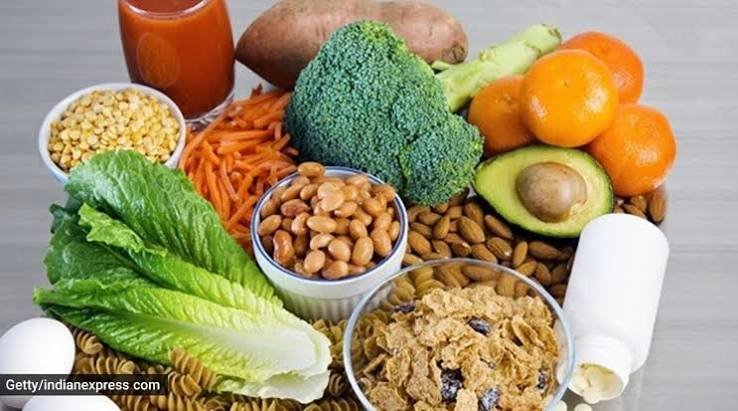

If you have walked down a grocery aisle recently or browsed a quick-commerce grocery app, you have likely been bombarded with buzzwords like “100% Organic,” “All Natural,” “Chemical-Free,” and “Residue-Free.” They all sound healthy, clean, and superior to standard market produce. But are they actually the same thing, or are you paying a 50% markup for clever marketing?
Understanding organic vs natural food India standards is crucial when deciding where to spend your hard-earned rupees. Navigating these claims requires understanding which labels guarantee strict third-party verification and which ones are simply unregulated marketing terms printed on a colorful box.
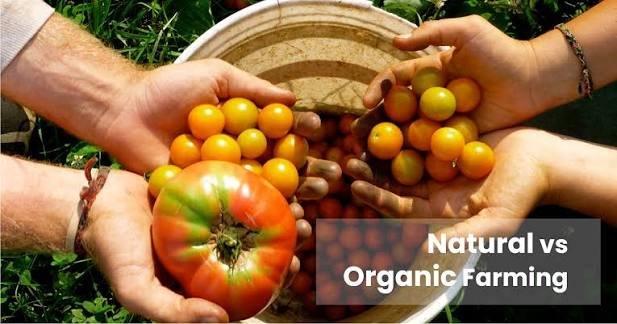
Quick Answer: Are All These Terms the Same?
No, these four terms represent completely different farming practices, legal standards, and certification levels in India.
Quick Answer: While “Certified Organic” strictly mandates zero synthetic inputs and official FSSAI/Jaivik Bharat certification, terms like “Natural” and “Chemical-Free” are largely unregulated marketing claims with no mandatory testing. “Residue-Free” means synthetic chemicals were used during farming, but zero detectable chemical traces remain in the final produce at harvest.
What “Certified Organic” Means in India
When you buy organic produce in India, you are paying for a complete holistic farming process—from seed to shelf. Under the Food Safety and Standards Authority of India (FSSAI) Organic Foods Regulations, no produce can be sold as “Organic” unless it strictly adheres to national organic standards.
┌─────────────────────────────────────────────────────────────┐
│                 INDIAN ORGANIC CERTIFICATION                │
├──────────────────────────────┬──────────────────────────────┤
│  NPOP (Third-Party)          │  PGS-India (Participatory)   │
│  - Accredited Audit Bodies   │  - Peer Farmers Group        │
│  - Export & Domestic         │  - Domestic Local Markets    │
├──────────────────────────────┴──────────────────────────────┤
│                 FSSAI JAIVIK BHARAT LOGO                    │
└─────────────────────────────────────────────────────────────┘
In India, organic certification operates under two primary systems:
- National Programme for Organic Production (NPOP): A rigorous, third-party certification process managed by APEDA. Accredited agencies physically inspect farms, test soil, verify seed origin, and audit supply chain logs annually.
- Participatory Guarantee System for India (PGS-India): A peer-review certification run by the Ministry of Agriculture for smallholder farmer groups. Local farmer clusters inspect each other’s fields to ensure organic integrity without heavy administrative overhead.
Key Requirements for Organic Certification:
- Conversion Period: Soil must undergo a 2 to 3-year transition period without synthetic chemicals before the produce can be certified organic.
- Prohibited Inputs: Zero synthetic pesticides, chemical fertilizers, growth hormones, or genetically modified seeds (GMOs).
- Soil & Ecosystem Focus: Practices must promote soil microbial health, crop rotation, and biodiversity.
- FSSAI Compliance: Certified organic food must carry the Jaivik Bharat logo alongside a valid FSSAI license number and certification code.
If a package lacks these official certification markers, it is legally not certified organic in India—regardless of what the front label says.
What “Natural” Means on a Food Packet
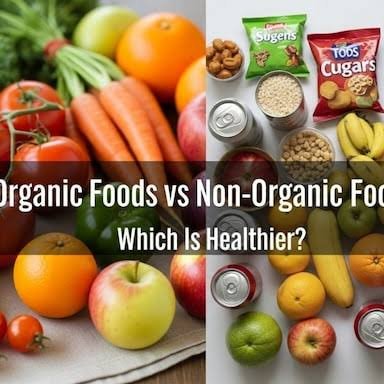
The word “Natural” is one of the most widely used—and heavily abused—terms in the Indian retail market.
When a brand labels raw Atta, Honey, or Pulses as “100% Natural,” it usually implies that the product has undergone minimal processing and contains no artificial colors, synthetic flavors, or added preservatives. However, “Natural” says almost nothing about how the crop was grown in the field.
┌─────────────────────────────────────────────────────────────┐
│                 "NATURAL" CLAIM REALITY                     │
├──────────────────────────────┬──────────────────────────────┤
│ WHAT CONSUMERS THINK IT MEANS│ WHAT IT ACTUALLY MEANS       │
├──────────────────────────────┼──────────────────────────────┤
│ Zero pesticides used         │ Minimal processing           │
│ Eco-friendly farming         │ No added artificial colors   │
│ Certified clean food         │ Unregulated marketing phrase │
└──────────────────────────────┴──────────────────────────────┘
- Zero Farming Regulations: A farmer can spray heavy synthetic pesticides (like Chlorpyrifos or Glyphosate) and urea fertilizer on a crop, harvest it, bag it without heavy processing, and call it “Natural.”
- No Mandatory Audits: FSSAI does not require lab tests or farm audits to validate a “Natural” label on fresh produce.
- Processing vs. Cultivation: While “Natural” packaged items avoid synthetic chemical additives post-harvest, the raw ingredients themselves may still carry conventional pesticide residues.
Comparing organic vs natural food India options reveals a clear line: Organic governs farming and processing by law, whereas Natural is largely a brand tagline.
What Chemical-Free Claims Usually Indicate
When assessing organic vs chemical-free food, “Chemical-Free” is an informal claim made by local vendors, direct-to-consumer farm startups, and boutique food brands.
It typically indicates that the farmer did not apply synthetic chemical sprays or synthetic fertilizers during the crop’s growth cycle. Many small Indian farmers practice natural farming (such as Bharatiya Prakritik Krishi Paddhati or Zero Budget Natural Farming) and sell their produce as chemical-free without paying for formal organic certification.
The Catch with Chemical-Free Claims:
- Lack of Standardized Testing: “Chemical-free” is not a legal certification under FSSAI. Anyone can write “Pesticide-Free” or “Chemical-Free” on a chalkboard or plastic pouch.
- Environmental Drift & Water Contamination: Even if a farmer doesn’t spray chemical pesticides, runoff water from nearby conventional farms or air drift from neighboring fields can introduce chemicals into the soil. Without rigorous lab verification, “chemical-free” remains an unverified promise.
- No Traceability Requirements: Unlike certified organic food tracked through digital platforms like TRACENET, chemical-free claims rarely offer batch-level traceability.
What Residue-Free Farming Means
Comparing organic vs residue-free food highlights a pragmatic, technology-driven approach to safe eating. Residue-free farming is not organic farming, but it guarantees that the final produce you eat is free from harmful chemical traces.
                   RESIDUE-FREE FARMING TIMELINE

  Planting          Growth Phase          Safety Window       Harvest & Testing
     │                   │                      │                     │
     ▼                   ▼                      ▼                     ▼
┌─────────┐        ┌───────────┐          ┌───────────┐         ┌───────────┐
│Synthetic│ ─────► │Careful    │ ───────► │Chemicals  │ ──────► │Lab Tests  │
│Inputs   │        │Pesticide  │          │Naturally  │         │Confirm    │
│Allowed  │        │Application│          │Degrade    │         │0 Residues │
└─────────┘        └───────────┘          └───────────┘         └───────────┘
How Residue-Free Farming Works:
- Controlled Chemical Use: Farmers are allowed to use approved synthetic fertilizers and pesticides during early plant growth stages to protect crops against pests and diseases.
- Strict Withdrawal Periods: Chemical applications are completely stopped weeks before harvest (known as the Pre-Harvest Interval).
- Natural Degradation: Sun, soil microbes, and time break down the active chemical compounds below Maximum Residue Limits (MRL) or to non-detectable levels ($<0.01\text{ mg/kg}$) by harvest time.
- Laboratory Testing: Quality brands conduct mandatory multi-residue test reports (testing for 200+ chemical compounds) on harvest batches before sending them to stores.
If your main goal is protecting your family from ingesting active pesticide residues without paying full organic premiums, residue-free produce offers a scientifically verified alternative.
Organic vs Natural vs Chemical-Free vs Residue-Free Comparison
The following table breaks down how these four food categories compare across essential parameters:
| Criteria / Feature | Certified Organic | Natural Food | Chemical-Free | Residue-Free |
| Official Certification | Mandatory (NPOP / PGS-India under FSSAI) | None (Unregulated marketing claim) | None (Self-declared claim) | Voluntary (Verified via private lab reports) |
| Permitted Inputs | Organic compost, bio-pesticides, natural minerals only | Any farm input allowed; minimal post-harvest processing | Natural/bio-inputs preferred; no synthetic sprays claimed | Controlled synthetic fertilizers & pesticides early in cycle |
| Residue Testing | Periodic soil & crop sampling by audit bodies | No lab testing required | Rare / Ad-hoc lab testing | Mandatory batch testing for zero detectable traces |
| Traceability | High (Tracked via TraceNet / PGS UID) | Low / None | Low (Relies on direct trust with seller) | High (Batch-wise QR codes linked to lab reports) |
| Typical Price | Highest premium (30% to 80% over regular) | Standard to slightly marked-up market price | Moderate premium (15% to 35% over regular) | Moderate premium (20% to 40% over regular) |
Which Claims Are Officially Verifiable?
When spending extra money on healthy groceries in India, never trust text claims on the front of the box. Always flipped the package over to check for official regulatory seals.
                     VERIFIABILITY STANDARDS IN INDIA

   HIGH VERIFIABILITY                       ZERO LEGAL WEIGHT
 ┌─────────────────────┐                   ┌───────────────────┐
 │ Certified Organic   │                   │ "100% Natural"    │
 │ (Jaivik Bharat Mark)│                   │ "Farm Fresh"      │
 ├─────────────────────┤                   │ "Pure & Healthy"  │
 │ Residue-Free        │                   │ "Chemical-Free"   │
 │ (With Lab QR Code)  │                   └───────────────────┘
 └─────────────────────┘
Under current Indian food regulations, only Certified Organic food has a legal seal enforced by the government (FSSAI).
If a brand prints “Organic” on a label in India without displaying an FSSAI license alongside the Jaivik Bharat logo, they are in violation of Food Safety regulations and face heavy financial penalties.
Residue-free produce is verifiable if—and only if—the brand provides a batch-specific QR code on the packaging that opens a NABL-accredited laboratory testing report showing zero detected pesticide residues.
Claims like “Natural,” “Pesticide-Free,” or “Chemical-Free” carry zero legal backing or mandatory verification in India.
Five-Point Label-Verification Checklist
Use this 5-point checklist before buying health food or premium produce items:
- Look for the Jaivik Bharat Logo: Confirm the green leaf-and-tick mark is clearly printed on the pouch.
- Check the Dual System Tag: Look for either NPOP (Third-party certified, e.g., OneCert, Aditi Organic) or PGS-India Organic text right below or beside the Jaivik Bharat logo.
- Validate the FSSAI License Number: Ensure a 14-digit FSSAI license number is present on the back panel, explicitly registered for organic endorsement.
- Scan for Batch QR Codes: For residue-free or premium organic brands, scan the QR code using your phone to inspect the NABL lab test report for that specific batch.
- Inspect the Ingredient List: Ensure no hidden additives, synthetic preservatives, or artificial anti-caking agents are listed under the fine print.
How to Check the Jaivik Bharat Logo
The Jaivik Bharat logo is India’s unified identity mark for certified organic food items, established by FSSAI in collaboration with APEDA and the Ministry of Agriculture.
             ┌─────────────────────────────────────────┐
             │            JAIVIK BHARAT LOGO           │
             │                                         │
             │               [  🌿✓  ]                 │
             │             JAIVIK BHARAT               │
             │      Organic Food from India            │
             ├─────────────────────────────────────────┤
             │ Certification Code: C-XXXX/NPOP/XXXXX   │
             │ 14-Digit FSSAI License: 1XXXXXXXXXXXXXXXX│
             └─────────────────────────────────────────┘
Steps to Authenticate Organic Food in India:
- Step 1: Locate the MarkLook for the green stylized icon showing an organic leaf emerging from a circle with a tick mark, accompanied by the tagline “Jaivik Bharat”.
- Step 2: Locate the Code NumberDirectly beneath or beside the logo, you must find a unique certification code number (e.g.,
NPOP/NAB/001or aPGS-India UID). - Step 3: Verify on the FSSAI Jaivik Bharat PortalVisit the official FSSAI Jaivik Bharat web portal (
jaivikbharat.fssai.gov.in). Enter the product’s FSSAI license number or company name into the search registry to confirm their organic endorsement status. - Step 4: Cross-Check NPOP TraceNetFor packaged grains, spices, and oils certified under NPOP, you can trace the lot back to the primary farmer co-operative using APEDA’s online TraceNet system.
Common Misleading Words on Food Packaging
Food marketers frequently use unregulated terms that mimic organic or clean food claims. Here are red-flag buzzwords commonly found on food packaging in India:
  ┌───────────────────────┬───────────────────────────────────────────────┐
  │ Buzzword              │ Marketing Illusion vs. Real Meaning           │
  ├───────────────────────┼───────────────────────────────────────────────┤
  │ "100% Pure"           │ Pure refers to unadulterated content, not     │
  │                       │ chemical-free farming.          │
  ├───────────────────────┼───────────────────────────────────────────────┤
  │ "Farm-Fresh"          │ Indicates speed of transit, not farming       │
  │                       │ methods or pesticide absence.   │
  ├───────────────────────┼───────────────────────────────────────────────┤
  │ "Herbal / Ayurvedic" │ Refers to plant ingredients; plants can be     │
  │                       │ grown with heavy synthetic pesticides.        │
  ├───────────────────────┼───────────────────────────────────────────────┤
  │ "Traditional / Eco"   │ Evokes nostalgia; carries no official legal   │
  │                       │ safety standard under FSSAI.    │
  └───────────────────────┴───────────────────────────────────────────────┘
- “100% Pure”: “Pure” milk, honey, or ghee simply means it isn’t diluted with water or adulterated with starch. It does not mean the cows weren’t given antibiotic injections or that the mustard seeds were grown without pesticides.
- “Farm-Fresh”: A marketing term implying speed of delivery from farm to store. Conventional crops sprayed with pesticides hours before harvest can still be legally sold as “farm-fresh.”
- “Herbal” or “Ayurvedic”: Indicates that ingredient sources originate from herbs or traditional botanicals, but provides no guarantee regarding synthetic pesticide residues.
- “Eco-Friendly” or “Green”: Vague environmental claims that have no legal standing under FSSAI food safety regulations.
Which Option Should Budget-Conscious Buyers Choose?
Buying 100% certified organic food for a family in India can increase monthly grocery bills by 40% to 70%. If you are on a budget, you don’t need an “all-or-nothing” approach to eat safely.
Here is a practical prioritization strategy for Indian households:
                      SMART SHOPPING PRIORITIZATION

   HIGH RISK (Buy Organic / Residue-Free)     LOW RISK (Buy Conventional)
 ┌────────────────────────────────────────┐ ┌──────────────────────────────┐
 │ • Leafy Greens (Spinach, Methi, Coriander)│ │ • Thick-Peel Produce         │
 │ • High-Spray Items (Tomatoes, Capsicum)│ │   (Bananas, Melons, Onions)  │
 │ • Daily Staples (Atta, Dal, Mustard Oil) │ │ • Protected Pods (Peas, Corn)│
 └────────────────────────────────────────┘ └──────────────────────────────┘
1. High-Priority Items (Prioritize Organic or Residue-Free)
Prioritize certified organic or residue-free options for foods where you eat the skin or where pesticides penetrate deep into the tissue:
- Leafy Vegetables: Palak (Spinach), Methi (Fenugreek), and Coriander leaves absorb systemic pesticides and are difficult to wash thoroughly.
- High-Pesticide Crops: Thin-skinned vegetables like Tomatoes, Capsicum, Brinjal, and Strawberries top conventional pesticide residue lists in Indian market surveys.
- Daily Staples: Atta (Whole wheat flour), Rice, Tur Arhar Dal, and Cold-Pressed Edible Oils. Because you consume these every day in large volumes, switching them to organic yields the highest long-term reduction in chemical exposure.
2. Low-Priority Items (Conventional / Regular Produce is Fine)
You can save money by buying regular conventional options for crops that naturally shield themselves from pesticide absorption:
- Thick-Skinned Fruits & Veggies: Bananas, Watermelons, Papayas, Onions, Garlic, and Pumpkins. The outer skin or peel acts as a protective barrier and is discarded before eating.
- Protected Pods: Green Peas and Sweet Corn, where the outer husk/pod is removed prior to cooking.
3. The Budget Sweet-Spot: Residue-Free Produce
If certified organic produce is too expensive or hard to source fresh in your neighborhood, residue-free fruits and vegetables provide a great middle ground. They cost significantly less than organic options while guaranteeing zero detectable chemical residues through verified lab testing.
Frequently Asked Questions
Is residue-free food the same as organic food?
No. Residue-free farming allows the controlled use of synthetic fertilizers and pesticides during early crop growth, provided all traces break down before harvest. Organic farming strictly prohibits synthetic inputs throughout the entire farming cycle.
How do I know if food is truly organic in India?
Look for the green Jaivik Bharat logo on the package. It must feature an accompanying FSSAI license number and an NPOP or PGS-India certification code. Uncertified items using text claims like “100% Organic” without these seals are illegal in India.
Does washing vegetables remove all pesticide residues?
Washing produce under running tap water removes dust, dirt, and some surface-level (contact) pesticides. However, it cannot eliminate systemic pesticides, which are absorbed into the plant tissue through the roots and vascular system during growth.
Why is certified organic food more expensive in India?
Organic farming involves higher manual labor costs (for hand-weeding and pest management), lower initial crop yields compared to chemical farming, annual certification audit fees, and segregated supply chain logistics to prevent cross-contamination.
Is natural food healthier than conventional food?
Not necessarily. Because “Natural” is an unregulated claim on raw ingredients, natural produce may have been grown using the same synthetic pesticides and fertilizers as conventional produce. Always look for verified residue-free or organic labels for confirmed food safety.
See Also
Organic Food vs Natural Food: What Most Indian Consumers Get Wrong
Is Organic Really Better? Healthy Food or Trendy Scam?
Is Organic Food More Nutritious? What Science Honestly Says
Organic Jaggery vs Regular Jaggery: How to Choose Better Gur for Your Indian Kitchen