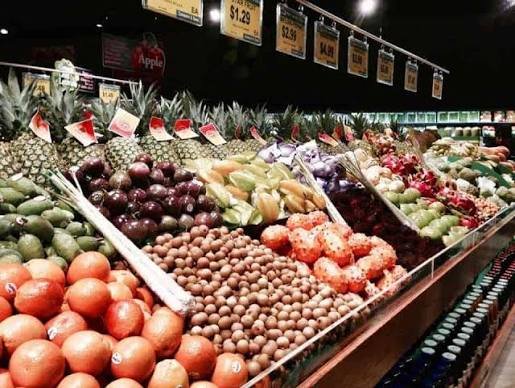
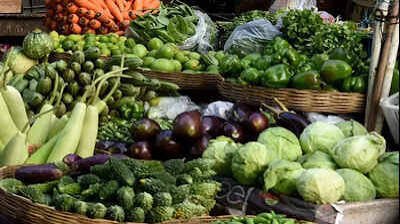

If you have ever stepped into a lively kacha bazar in Kolkata or a local weekly haat in Hooghly, you know the absolute magic of West Bengal’s produce markets. The colors, the earthy scents, and the cheerful banter of local vegetable vendors (sabziwalas) are an integral part of Bengali life.
However, walking through the market can sometimes feel overwhelming. With cold storage and modern farming making almost every vegetable available year-round, how do you know what is truly in season, fresh, and naturally grown?
Eating according to the seasons isn’t just an old tradition passed down by our grandmothers (thakumas and didimas); it is the secret to maximum flavor, higher nutrient absorption, and lower prices.
Whether you are planning your weekly household groceries or aiming to switch your family to an organic lifestyle, this seasonal vegetables in West Bengal month wise guide will serve as your ultimate kitchen companion.
1. Quick Seasonal Calendar
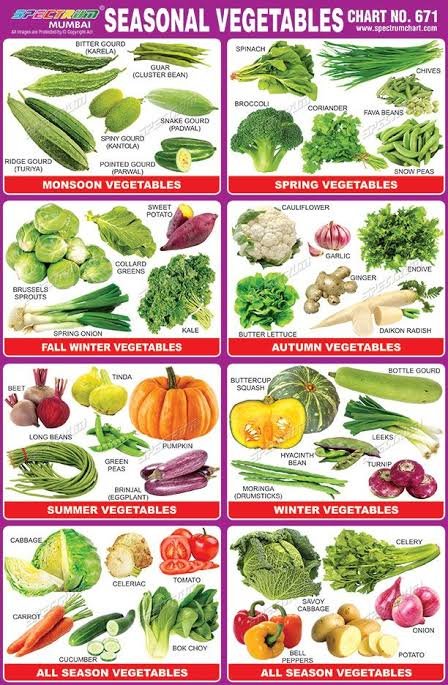
To help you quickly check what’s fresh before heading out to the market, here is a complete summary table of seasonal vegetables in West Bengal month wise.
| Month | Peak Season Produce (Bengali Seasonal Vegetables) | Best Organic Sourcing Potential |
| January | Cauliflower, Cabbage, Green Peas, Carrots, Turnip, Radish, Spinach, Methi | Very High (Winter harvest peak) |
| February | Beetroot, Green Beans, Spring Onion, Mustard Greens (Sorshe Saak), Broccoli | Very High |
| March | Drumstick (Sojne Data), Raw Papaya, Pointed Gourd (Patol), Bitter Gourd (Karela) | High |
| April | Ridge Gourd (Jhinge), Bottle Gourd (Lau), Snake Gourd, Green Chilli | Moderate to High |
| May | Cucumber, Raw Mango, Ash Gourd (Chalkumra), Pumpkin | Moderate |
| June | Okra (Bhindi/Dherosh), Amaranth Greens (Data Saak), Taro Root (Gati Kochu) | Moderate |
| July | Spiny Gourd (Kakrol), Teasle Gourd, Elephant Foot Yam (Ol), Pointed Gourd | High (Monsoon leafy greens require care) |
| August | Stem Amaranth, Colocasia Leaves (Kochu Pata), Sweet Potato, Ridge Gourd | High |
| September | Snake Gourd, Cluster Beans, Bottle Gourd, Green Papaya | Moderate |
| October | Raw Banana (Kanchkela), Pumpkin, Elephant Foot Yam, Early Cauliflower | High (Autumn transition) |
| November | Radish (Mulo), Spinach (Palong Saak), Flat Beans (Sim), Green Peas | Very High |
| December | Red Cabbage, Knol Khol (Olkopi), Carrots, Beetroot, Fresh Coriander | Peak Season (Highest availability) |
2. Why Seasonal Buying Matters for Your Health and Budget
Have you ever wondered why a cauliflower bought in July tastes bland and watery compared to the sweet, crunchy cauliflower you buy in December? Or why tomatoes purchased out of season spoil within two days?
When vegetables are grown during their natural climatic window, they thrive without excessive chemical interventions. Here is why eating seasonal, local produce makes all the difference:
- Superior Nutritional Value: Produce harvested at its natural peak contains significantly higher levels of antioxidants, vitamins, and minerals.
- Minimal Pesticide Exposure: Out-of-season crops require higher amounts of synthetic pesticides, fungicides, and chemical fertilizers to survive unnatural weather conditions.
- Rich Flavor and Aroma: Organic Bengali seasonal vegetables grown in season develop their authentic taste, natural sweetness, and rich textures.
- Pocket-Friendly Prices: Peak harvest creates an abundant supply, which naturally lowers retail prices at local markets.
- Environmental Sustainability: Sourcing local food reduces the carbon footprint associated with long-distance transportation and intensive cold storage.
If you are just getting started with chemical-free living, check out our detailed [Kolkata and Hooghly Organic Food Guide] to learn where local organic farms are situated and how produce moves from farm to kitchen.
3. Winter Vegetables: December to February (Sheetkal)
Winter is undeniably the golden era for Bengali gastronomy. The markets overflow with lush green leafy vegetables, crisp root crops, and vibrant cruciferous vegetables.
               WINTER PRODUCE SPOTLIGHT
+-------------------------------------------------------+
|  Cauliflower (Fulkopi)    *  Green Peas (Koraishuti)  |
|  Flat Beans (Sim)         *  Radish (Mulo)            |
|  Spinach (Palong Saak)    *  Turnip/Knol Khol (Olkopi)|
+-------------------------------------------------------+
What to Buy in Winter
- Cruciferous Crops: Cauliflower (Fulkopi), Cabbage (Bhadhakopi), and Knol Khol (Olkopi).
- Root Vegetables: Red Carrots, Beetroot, and Crisp Radish (Mulo).
- Legumes & Pods: Fresh Green Peas (Koraishuti) and Flat Beans (Sim).
- Winter Greens: Spinach (Palong Saak), Fenugreek Leaves (Methi Saak), and Mustard Greens (Sorshe Saak).
Culinary Uses
This season brings iconic Bengali dishes to life:
- Koraishutir Kochuri (Green pea-stuffed puffed bread)
- Bhadhakopir Ghonto (Spiced cabbage curry)
- Shukto enriched with fresh winter flat beans and radish
Sourcing Tip
During winter, finding chemical-free crops is relatively easier because cooler temperatures naturally control pest populations.
4. Spring Vegetables: March and April (Basantakal)
As the chilly breeze fades into warmer days, West Bengal transitions into spring. This period acts as a natural body detox season, featuring vegetables known for their immunity-boosting and blood-purifying qualities.
March & April Highlights:
- Drumstick (Sojne Data)  --> High immunity, excellent for spring detox
- Pointed Gourd (Patol)   --> Light on digestion
- Raw Papaya (Kanchapepe) --> Enriched with natural digestive enzymes
What to Buy in Spring
- Drumstick (Sojne Data): Packed with vitamins, drumsticks are prized for their antiviral properties during seasonal shifts.
- Bitter Gourd (Ucche / Karela): Essential for cooling the body and purifying the blood.
- Pointed Gourd (Patol): The early tender harvest of Patol begins in spring.
- Raw Papaya (Kanchapepe): A digestive powerhouse used extensively in light Bengali broths (Jhol).
Seasonal Eating Tip
Prepare a light spring Sojne Data-er Jhol (drumstick broth with potatoes and mustard paste) to build immunity against seasonal fever and flu.
5. Summer Vegetables: May and June (Greeshmakal)
Summers in Bengal can be hot and humid, requiring meals that are light, hydrating, and easy on the stomach. Nature perfectly aligns with these needs by producing water-rich gourds and cooling greens.
High-Hydration Summer Staples
- Bottle Gourd (Lau): Composed of over 90% water, perfect for keeping the body cool.
- Ridge Gourd (Jhinge): Soft, fibrous, and easy to digest.
- Raw Mango (Kancha Aam): Essential for combating heatstroke and preparing refreshing summer dishes.
- Ash Gourd (Chalkumra): Excellent for gut health and acidity control.
- Snake Gourd & Cucumber: High-water content veggies for salads and light curries.
Summer Kitchen Favorite
A bowl of Lau-er Ghonto (bottle gourd curry cooked with minimal spices) or Jhinge Posto (ridge gourd in poppy seed paste) paired with steamed rice provides a refreshing, easily digestible summer lunch.
6. Monsoon Vegetables: July to September (Barshakal)
The monsoon rains transform the rural landscapes of Bengal into rich green fields. While heavy rains make leafy greens susceptible to pests and excess water retention, many underground tubers and climbing gourds thrive during this period.
+-----------------------------------------------------------+
|               MONSOON HARVEST BASKET                      |
|                                                           |
|  * Spiny Gourd (Kakrol)    * Colocasia Stem (Kochur Lati) |
|  * Elephant Yam (Ol)       * Okra (Dherosh)               |
+-----------------------------------------------------------+
What to Buy in Monsoon
- Spiny Gourd (Kakrol): High in fiber and antioxidants, seasonal exclusively during the monsoon.
- Elephant Foot Yam (Ol Kope/Kachu): A wholesome root vegetable that replaces heavy nightshades.
- Colocasia Stems & Leaves (Kochur Lati & Kochu Pata): Rich in iron and dietary fiber.
- Okra (Dherosh/Bhindi): Yields tender harvest throughout the rainy months.
Food Safety Note for Monsoon
Always clean monsoon vegetables thoroughly. If you are buying leafy greens during heavy rains, ensure they are grown organically to avoid pesticide runoff contamination. Read our guide on [Natural Pesticide Removal] for step-by-step methods to clean your vegetables at home using salt and vinegar solutions.
7. Autumn Vegetables: October and November (Saratkal & Hemantakal)
Autumn brings festival vibes across West Bengal with Durga Puja, Kali Puja, and Lokkhi Puja. The climate settles into a comfortable mildness, marking a major crop rotation period.
Transitional Harvest
- Raw Banana (Kanchkela): A staple during festive fasting days, known for its gentle digestive properties.
- Pumpkin (Kumro): Sweet, ripe pumpkins are harvested in abundance.
- Sweet Potato (Ranga Alo): Nutrient-dense root vegetable used in daily curries and traditional festive sweets (Pitha).
- Early Winter Radish & Flat Beans: Late November welcomes the very first tender harvest of winter veggies.
8. Essential Bengali and English Vegetable Names
Navigating local markets becomes much easier when you know the local terminology. Use this quick reference guide when shopping for seasonal vegetables in West Bengal month wise:
| English Name | Bengali Name (Bangla Naam) | Common Culinary Use |
| Pointed Gourd | Patol | Patol Bhabhar, Doi Patol |
| Ridge Gourd | Jhinge | Jhinge Posto, Alur Jhol |
| Bottle Gourd | Lau | Lau Chingri, Lau-er Bori Jhol |
| Bitter Gourd | Ucche / Karela | Ucche Bhaja, Shukto |
| Drumstick | Sojne Data | Sojne Data Charchari |
| Elephant Foot Yam | Ol | Ol Bhate, Ol-er Kalia |
| Colocasia Stem | Kochur Lati | Lati Sarshe, Chingri Lati |
| Spiny Gourd | Kakrol | Kakrol Pur Bhora, Kakrol Bhaja |
| Flat Beans | Sim | Sim Posto, Shorshe Sim |
| Raw Banana | Kanchkela | Kanchkelar Kofta Curry |
| Ash Gourd | Chalkumra | Chalkumra Ghonto |
| Red Amaranth | Lal Saak | Lal Saak Bhaja with Garlic |
9. Local Bengal Varieties to Look For
Commercial markets often focus on standardized hybrid produce, but West Bengal’s heritage farming holds incredible indigenous varieties. When exploring local organic markets or village haats, keep an eye out for these traditional open-pollinated varieties:
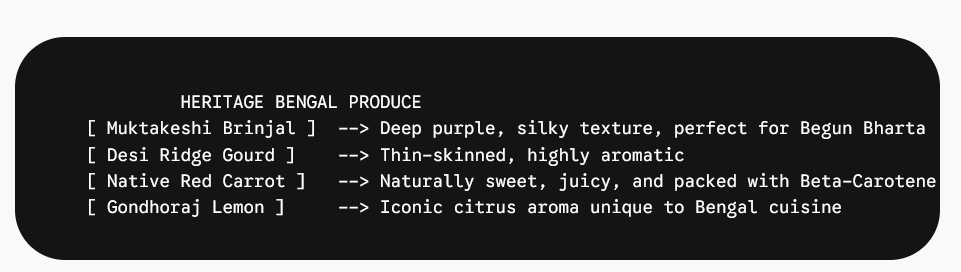
- Muktakeshi Brinjal: A heritage eggplant variety with dark purple skin, soft flesh, and fewer seeds—ideal for making Begun Bharta or Beguni.
- Native Red Carrots (Desi Gajar): Unlike dark orange hybrid carrots, native red carrots are thin, sweet, and juicy.
- Nadia & Hooghly Ridge Gourd: Local varieties grown along the fertile alluvial plains of the Hooghly river, prized for their sweet taste and tender skins.
- Desi Koraishuti: Local small-pod green peas that offer far richer flavor than large frozen commercial varieties.
Supporting farmers who cultivate these heritage varieties helps protect native biodiversity and keeps Bengal’s culinary traditions alive.
10. When Organic Produce Is Easiest to Source in West Bengal
Switching to a 100% organic diet can feel tricky if you don’t time your purchases right. Because organic farming relies on natural ecological cycles rather than chemical sprays, produce availability fluctuates throughout the year.
SEASONAL ORGANIC AVAILABILITY:

WINTER (Dec - Feb)   : [====================] 100% (Easiest to source)
AUTUMN (Oct - Nov)   : [===============     ]  75% (Good variety)
SPRING (Mar - Apr)   : [============        ]  60% (Transitional produce)
SUMMER (May - Jun)   : [==========          ]  50% (Gourds & local greens)
MONSOON (Jul - Sep)  : [========            ]  40% (Requires trusted sources)
- Peak Window (November to March): This is the best period to buy organic. The pleasant weather reduces pest activity naturally, allowing local farmers to produce bumper yields of winter crops without synthetic inputs.
- Lean Window (July to September): High humidity and heavy rainfall present challenges for organic pest management. During these months, focus on hardy local vegetables like yams, gourds, raw papayas, and banana stems (Thor), which are naturally resilient.
To build a reliable supply chain for your household, consider joining [Local Cooperatives]. These community-supported agriculture groups connect urban households directly with certified organic farmer clusters in Burdwan, Nadia, and Hooghly.
11. How to Question Farmers and Sellers at Local Haats
Not every vegetable labeled “organic” or “desi” at the local market is genuinely free of chemicals. Asking a few thoughtful questions can help you identify authentic organic growers from resellers:
- “Apnar eikhaner sobzi ki Nijer Jomi-r?” (Is this produce grown on your own land?)
Genuinely local farmers usually bring smaller quantities of mixed, seasonal vegetables rather than massive piles of a single crop. - “Poka Dhorle Ki Aushadh Den?” (What remedies do you use when pests attack?)
Conventional sellers will list chemical pesticides like Chlorpyrifos or Urea. Organic farmers will mention Neem oil, cow urine mixtures (Jeevamrut), wood ash, or fermented sour buttermilk sprays. - “Egulor Beej Ki Desi Na Hybrid?” (Are these seeds native or hybrid?)
Organic growers often save and replant native seeds (Desi Beej) year after year.
12. Smart Vegetable Storage Tips by Season
Buying fresh, seasonal vegetables is only half the battle—storing them correctly ensures they keep their nutrition, flavor, and texture.
       SEASONAL STORAGE GUIDE

   WINTER: Cool room storage works great for root veggies.
   SUMMER: Damp cotton cloth wrapping prevents dehydration.
  MONSOON: High air circulation is vital to prevent mold growth.
Winter Storage
- Root Crops (Carrots, Radish, Beetroot): Cut off the green tops before storing to prevent them from drawing moisture out of the root. Store in breathable jute bags.
- Leafy Greens: Wrap unwashed greens in newspaper or paper towels and keep them in airtight container boxes in the crisper drawer.
Summer Storage
- Gourds & Okra: Wrap gourds in damp cotton towels if you do not want to refrigerate them. Keep Okra (Dherosh) completely dry—moisture makes it slimy and spoils it quickly.
- Green Chillies: Remove the green stems before storing in an airtight glass container lined with a paper towel. They can stay fresh for up to three weeks.
Monsoon Storage
- Onions & Garlic: Hang them in mesh bags in an open, dry space with good airflow. Avoid plastic bags, which trap humidity and cause rotting.
- Yams & Potatoes: Keep them in open wooden crates in a cool, dark pantry away from direct sunlight.
13. Printable Seasonal Shopping Calendar for West Bengal
Keep this handy reference checklist on your refrigerator to quickly inspect seasonal availability before making your weekly grocery list!
====================================================================
           WEST BENGAL ORGANIC VEGETABLE SHOPPER
====================================================================

[ ] WINTER (DECEMBER - FEBRUARY)
    [ ] Cauliflower (Fulkopi)     [ ] Spinach (Palong Saak)
    [ ] Green Peas (Koraishuti)   [ ] Flat Beans (Sim)
    [ ] Red Carrots & Beetroot    [ ] Radish (Mulo)

[ ] SPRING (MARCH - APRIL)
    [ ] Drumsticks (Sojne Data)   [ ] Raw Papaya (Kanchapepe)
    [ ] Pointed Gourd (Patol)     [ ] Bitter Gourd (Ucche)

[ ] SUMMER (MAY - JUNE)
    [ ] Bottle Gourd (Lau)        [ ] Ridge Gourd (Jhinge)
    [ ] Raw Mango (Kancha Aam)    [ ] Ash Gourd (Chalkumra)

[ ] MONSOON (JULY - SEPTEMBER)
    [ ] Spiny Gourd (Kakrol)      [ ] Elephant Yam (Ol)
    [ ] Colocasia Stems (Lati)    [ ] Okra (Dherosh)

[ ] AUTUMN (OCTOBER - NOVEMBER)
    [ ] Pumpkin (Kumro)           [ ] Raw Banana (Kanchkela)
    [ ] Sweet Potato (Ranga Alo)  [ ] Early Winter Greens
====================================================================
14. Frequently Asked Questions (FAQs)
Q1. Which seasonal vegetables in West Bengal month wise are best for boosting immunity in children?
Drumsticks (Sojne Data) in spring, spinach (Palong Saak) in winter, and raw papaya (Kanchapepe) year-round are exceptional for building immunity, supporting digestive health, and delivering essential vitamins.
Q2. How can I verify if seasonal vegetables in West Bengal month wise are organically grown?
Look for natural variations in size and shape. Organic vegetables rarely look uniform or waxed. You might also spot minor, harmless insect marks, which indicate that synthetic chemical pesticides were not sprayed on the crop.
Q3. Why are pointed gourds (Patol) unavailable or expensive in winter?
Pointed gourd is naturally a warm-season crop harvested between late spring and monsoon. During winter, the plant goes dormant. Any Patol found in winter comes from chemical-intensive cold storages or distant provinces, meaning it lacks freshness and natural flavor.
Q4. Are monsoon leafy greens safe to eat in West Bengal?
Yes, but extra care is required. Avoid purchasing flooded field greens during peak monsoon heavy rainfall. Choose hardy local varieties like Kochu Pata or stem greens, and soak them thoroughly in salt water before cooking.
Final Thoughts: Embrace the Rhythm of Nature
Eating in harmony with nature’s natural cycle is one of the most rewarding changes you can make for your household’s health. By choosing seasonal vegetables in West Bengal month wise, you secure fresher, tastier, and more nutritious meals while directly encouraging local farming communities and sustainable agricultural practices.
Next time you step out to your local kacha bazar, take this calendar along, talk with your local farmers, and select what is naturally fresh for the season.
Have questions about sourcing organic produce in your neighborhood? Leave a comment below or explore our companion guide on [Kolkata and Hooghly Organic Food Guide] to find verified organic hubs near you!
See Also
- Vegetable Growing Calendar for India
- Month wise Seasonal Vegetables in INDIA
- Where to Buy Organic Food in Kolkata and Hooghly: A Practical Local Shopper’s Guide
- Organic vs Natural vs Chemical-Free vs Residue-Free Food in India
- Natural Pesticide Removal Methods: How to Clean Your Fruits and Veggies Safely
- The Organic Pantry Essentials Checklist: Build Your Clean-Eating Foundation