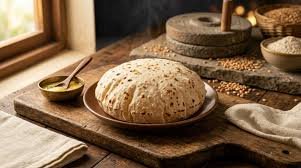

If you grew up in an Indian household, your day probably starts or ends with the comforting aroma of fresh, hot rotis puffing up on a cast-iron tawa. It is the ultimate comfort food, anchoring our daily meals across the country.
But have you noticed how the modern roti has changed?
Many of us remember our grandmothers buying premium wheat grains (gehun), washing them carefully under the sun, and taking them to the neighborhood atta chakki (stone mill). The resulting chapatis were soft, sweet, and stayed fresh for hours. Today, most busy households pick up a convenient, mass-produced bag of regular packaged flour from the supermarket. The rotis look stark white, but they often turn chewy like rubber within twenty minutes of cooking.
This brings us to a major culinary crossroads: stone ground atta vs regular atta.
Is the premium price of stone-ground, slow-milled flour genuinely worth it for your family’s gut health? Or is the standard, commercial roller-milled flour perfectly fine for daily consumption? Let us dive deep into the science, texture, and nutritional value of both methods to discover which flour makes the absolute best rotis.
Why Atta Quality Matters in Indian Homes
In Western countries, wheat flour is primarily used for baking bread, where yeast handles the heavy lifting of rising and softening. In India, our traditional phulkas or chapatis are completely unleavened. They contain just three simple ingredients: flour, water, and perhaps a dash of oil or salt.
Because there are no artificial softeners or yeast, the structural properties of your roti depend entirely on the quality of your flour.
When you mix water into atta, two proteins—glutenin and gliadin—join forces to form a gluten network. This elastic network traps steam as the flatbread hits the blistering hot pan, causing it to puff up like a balloon.
If the milling process damages these proteins or strips away the natural dietary fibers, your dough loses its elasticity. You wind up with dry, stiff rotis that feel heavy on the stomach and lead to digestive discomfort.
What is Stone-Ground Atta?
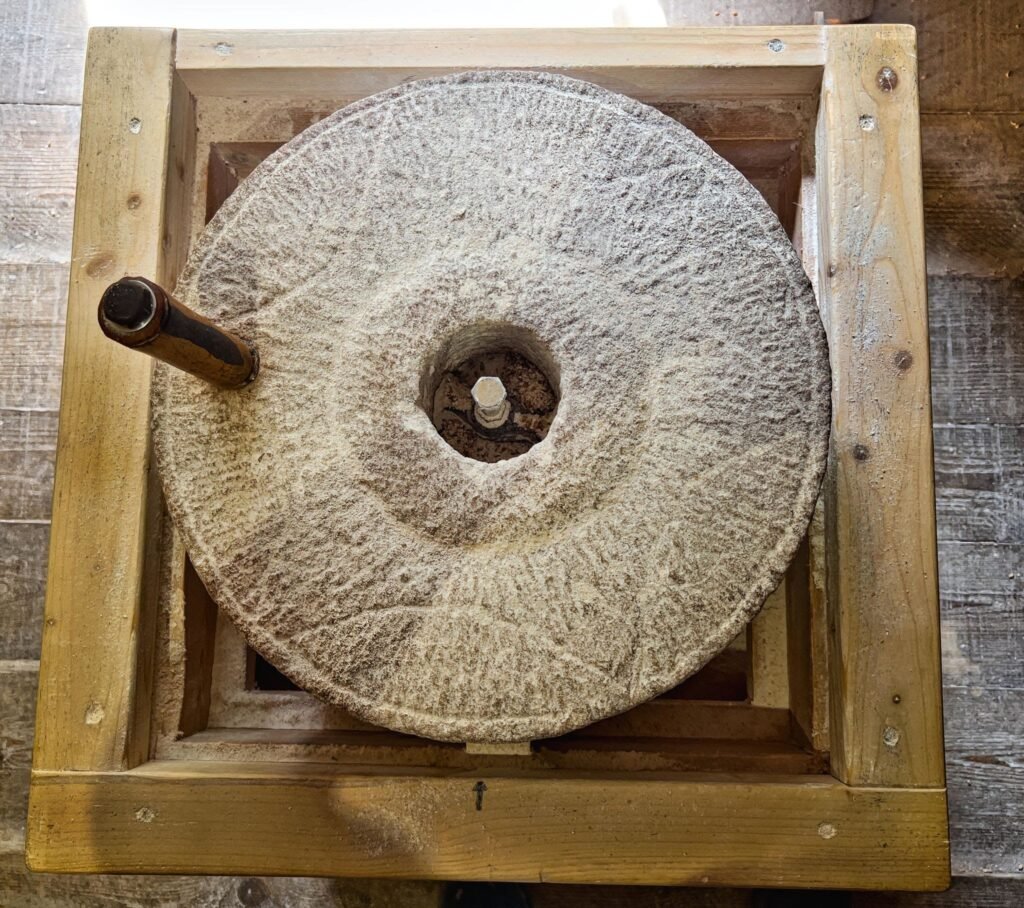
Stone-ground flour (famously known as Chakki Atta) is produced using a brilliant, centuries-old milling technology. The mechanism features two massive, heavy circular stones placed flat on top of each other.
The bottom stone remains completely stationary, while the upper stone rotates slowly. Whole wheat kernels are fed through a central opening. As the top stone turns, the grains are gently crushed and sheared between the grooved stone surfaces, moving outward until a fine, uniform powder emerges.
The Whole-Grain Integrity
The defining feature of stone milling is that the entire wheat kernel is ground together. A kernel of wheat consists of three distinct components:
- The Bran: The hard, fiber-rich outer protective shell loaded with B vitamins and minerals.
- The Germ: The nutrient-dense embryo core rich in healthy phytochemicals and vitamin E oils.
- The Endosperm: The large, starchy middle layer containing carbohydrate energy and proteins.
Because the stones crush everything simultaneously, the natural oils from the germ are beautifully emulsified into the starchy powder. Nothing is sifted out, giving the flour a rustic, cream-colored tint and keeping its full nutritional profile intact.
What is Roller-Milled or Regular Packaged Atta?
Regular packaged flour found in large commercial supermarkets is manufactured using high-speed industrial roller mills. This system is engineered for maximum output, long shelf life, and high speed.
The Industrial Separation Process
Instead of crushing the whole grain gently in one go, a roller mill intentionally separates the wheat into its individual components using a series of fast-turning corrugated steel rollers:
- The wheat is cracked open, and the fiber-rich bran and nutritious germ are completely stripped away.
- This leaves behind only the white, starchy endosperm.
- The processors then grind this starchy core into fine flour and add back a designated percentage of pulverized bran later to label it as “Whole Wheat.”
Why Do Factories Remove the Germ?
The natural oils inside the wheat germ oxidize and turn rancid quickly when exposed to air. By stripping the germ away entirely during the roller milling stage, commercial brands can ensure their bags of regular flour sit on supermarket shelves for six months without spoiling. However, this extended shelf life comes at the direct cost of natural flavor and vital nutrition.
Texture, Freshness, Fiber, and Taste Comparison
When analyzing stone ground atta vs regular atta, the differences become immediately clear across your sensory and cooking experiences.
The Temperature Secret: High heat destroys nutrients. Roller mills operate at extreme speeds, heating the flour up to 60°C–80°C, which literally cooks out fragile vitamins. Traditional stone mills rotate slowly, keeping the flour cool and preserving its raw nutritional value.
1. The Fiber & Digestibility Factor
Because stone-ground flour integrates the bran completely, it retains a high percentage of insoluble dietary fiber. This fiber slows down starch absorption, giving it a lower glycemic index that prevents sudden blood sugar spikes.
Regular roller-milled flour often has a powdery, ultra-fine consistency. This lack of complex fiber means your body breaks down the carbohydrates into sugars very quickly, which can leave you feeling bloated or sluggish after lunch.
2. Aroma and the Freshness Difference
Have you ever noticed that a fresh bag of stone-milled flour from a local mill smells distinctly sweet and nutty? That unique fragrance comes from the intact wheat germ oils. Regular industrial flour often smells neutral or faintly chalky because those rich, volatile oils were extracted during processing.
3. Dough Elasticity & Water Absorption
Stone-crushed flour particles have varied, irregular microscopic shapes. This allows the dough to absorb and hold a significantly higher volume of water during kneading. More trapped moisture inside your dough translates directly into a softer, more pliable roti that preserves its tenderness inside an insulated casserole box for hours.
Organic Atta vs. Regular Atta: What Certification Adds
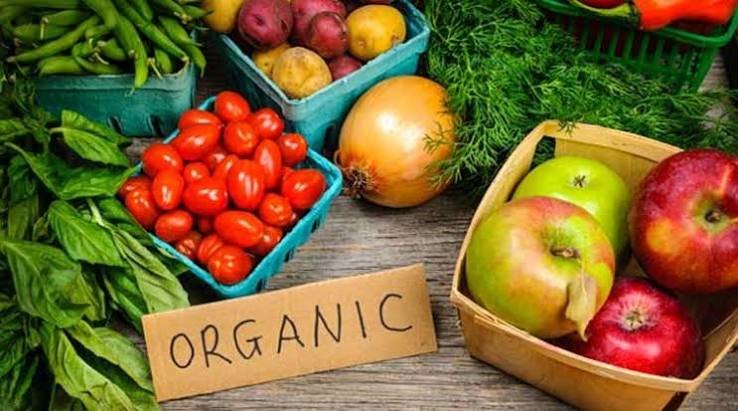
As you evaluate your pantry choices, you will often find options labeled as Organic Stone-Ground Atta. It is important to look at what organic certification actually brings to your kitchen table.
Standard commercial wheat crops in India are frequently sprayed with synthetic chemical fertilizers like urea and chemical pesticides to maximize farm yields. These residues can cling to the outer bran of the grain, meaning they end up directly in your food when you consume true whole-wheat flour.
Certified organic whole wheat is grown without harmful synthetic chemicals. The farms utilize natural compost, crop rotation, and bio-pesticides.
When you choose certified organic stone-ground flour, you enjoy a clean, unadulterated grain. You gain the rich fiber of the outer bran without exposing your family to chemical synthetic residues, making it a stellar investment for long-term family wellness.
Recipe Guide: Matching Your Atta to Your Dish
Different Indian breads require distinct structural traits. Let’s look at how stone ground atta vs regular atta perform across various kitchen preparations.
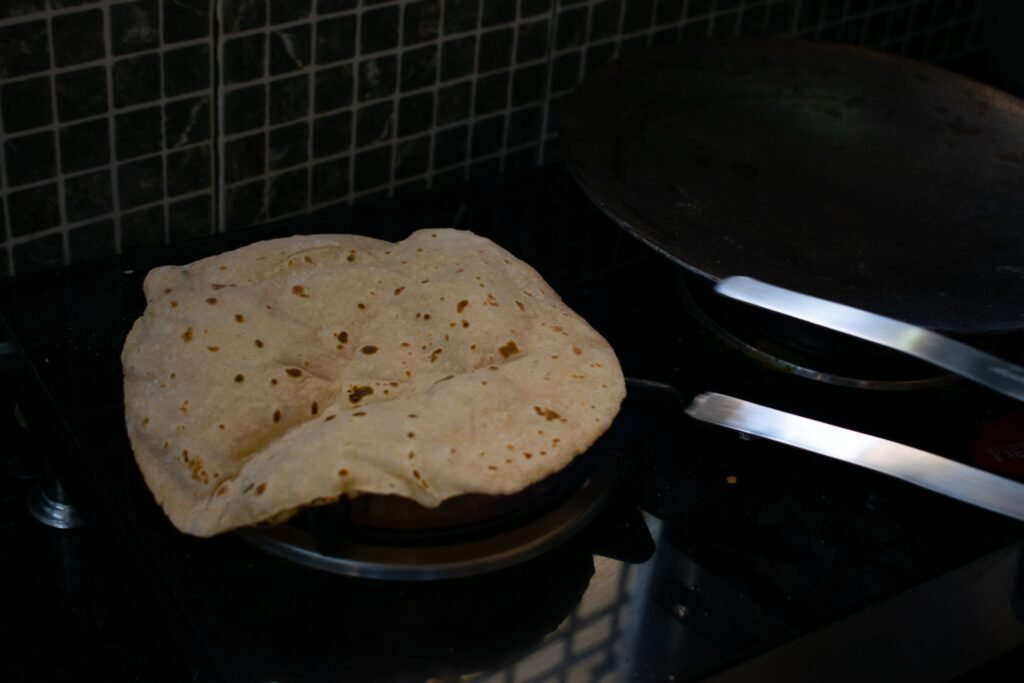
1. The Perfect Daily Roti / Phulka
- The Best Choice: Stone-Ground Atta.
- Why: You need maximum water retention so the flatbread stays soft without turning dry on the griddle. The cool-milled stones preserve the gluten proteins perfectly, ensuring your phulkas puff up easily over an open flame.
2. Crispy Flaky Parathas
- The Best Choice: A Blend or Regular Atta.
- Why: Layered lachha parathas or stuffed aloo parathas require a slightly more stretchable, extensible dough that can support heavy folding and frying without tearing apart. The fine consistency of regular milled flour handles layer stretching smoothly.
3. Festive Halwayi-Style Pooris
- The Best Choice: Coarse Stone-Ground Atta (Suji-Mixed).
- Why: A perfect poori needs to stay crisp and golden without absorbing excessive oil. Coarser stone-ground particles give pooris an excellent structural bite that keeps them from collapsing into a soggy mess on your plate.
4. Home Baking (Whole Wheat Breads & Cookies)
- The Best Choice: Regular Packaged Whole Wheat Atta.
- Why: Traditional stone-ground flour can sometimes be too dense or heavy for delicate western baking. The lighter, uniform particle size of roller-milled flour allows artisanal cakes and cookies to rise predictably in the oven.
Storage Tips to Avoid Insects and Keep Atta Fresh
Because high-quality stone-ground flour contains the living wheat germ, it is more attractive to pantry pests like flour beetles and weevils. Use these practical storage strategies to keep your kitchen staples safe and fresh:
- Avoid Large Quantities: Don’t buy huge 10 kg or 20 kg bags of un-roasted stone atta if your family size is small. Try to purchase smaller 2 kg or 5 kg batches that you can easily finish within 30 to 45 days.
- Keep it Cool and Air-Tight: Transfer your flour out of its paper packaging immediately into a pristine, bone-dry steel dabba or glass container with a tight silicone seal. Store the container in a cool, dark corner away from damp kitchen sinks.
- The Dry Spice Shield: Drop 3-4 dry bay leaves (tej patta), a few whole cloves, or a couple of dried red chilies directly into your flour bin. The natural aromatic compounds in these spices act as excellent, safe insect repellents without altering the flavor of your chapatis.
Frequently Asked Questions
Why do my rotis turn hard like cardboard after an hour?
This is a classic sign of low water retention, often caused by using highly processed roller-milled flour that lacks intact dietary fiber. Switching to premium stone-ground flour and allowing your kneaded dough to rest for 20 minutes before rolling will help retain moisture and keep your rotis soft.
Is chakki atta the same as stone-ground atta?
Yes, they are identical. Chakki is simply the traditional Indian Hindi word for a mill that uses heavy stone discs to grind grains into flour.
Does stone-ground flour have a shorter shelf life?
Yes, it does. Because it retains the nutrient-dense wheat germ and its natural essential oils, it is more prone to natural oxidation. For the best flavor and nutritional value, aim to consume fresh stone-ground flour within 2 months of its milling date.
See Also
Khapli Atta Vs Regular Atta
Desi Chakki Ka Atta VS Flour Mill Aata – Which One is Good For You?
Unpolished Dal vs Polished Dal: The Honest Indian Kitchen Guide
Organic Jaggery vs Regular Jaggery: How to Choose Better Gur for Your Indian Kitchen