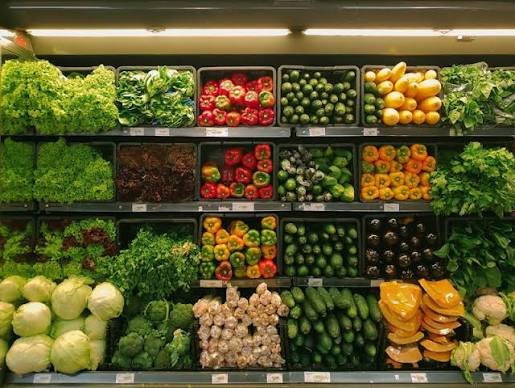

Let’s visual this: you’re at your local premium grocery store, or maybe scrolling through a quick-commerce grocery delivery app on your phone. You need to buy a simple packet of haldi (turmeric) or a bottle of mustard oil.
Right next to the regular brand sits a beautifully packaged option that proudly declares it is “Certified Organic.” It promises zero chemical sprays, absolute purity, and complete wellness. But then you look at the price tag—it is easily 1.5 to 2 times more expensive than your regular grocery brand.
Your mind instantly goes into a loop of calculations. You ask yourself the ultimate question that every health-conscious Indian householder faces today: Is organic food more nutritious, or am I just paying a premium for fancy brown paper packaging?
We have all heard the passionate claims from fitness influencers online who swear that switching to an organic lifestyle cured their skin, boosted their gut health, and gave them endless energy. At the same time, we see skeptical news reports claiming it’s all a marketing gimmick.
Today, let’s completely cut through the noise, the emotional WhatsApp forwards, and the aggressive brand marketing. We are going to dive straight into real, peer-reviewed, scientific data to find out what science actually says about the nutritional value of organic foods.
Get ready for an honest, evidence-based breakdown that will completely change the way you look at your kitchen ingredients!
The Core Science: What Are the Real Benefits of Eating Organic?
When scientists put conventional and organic crops side-by-side in independent research laboratories, they look beyond the shiny surface. They analyze the actual microscopic compounds inside the pulp, leaves, and seeds.
The data shows that while a potato might still look and taste like a potato, the underlying agricultural methods change its internal molecular footprint in a few incredibly significant ways.
                  ORGANIC VS CONVENTIONAL MOLECULAR IMPACT
  ┌─────────────────────────────────────────────────────────────────┐
  │  LABORATORY FINDINGS ON TRUE ORGANIC CROPS                     │
  ├─────────────────────────────────────────────────────────────────┤
  │  ▲ ANTIOXIDANTS: 19% to 69% higher concentrations               │
  │  ▼ PESTICIDE RESIDUES: 4x lower detection rates                 │
  │  ▼ TOXIC CADMIUM: Significantly lower heavy metal storage       │
  │  ▲ OMEGA-3 FATTY ACIDS: Up to 50% higher in dairy & meat        │
  └─────────────────────────────────────────────────────────────────┘
The Antioxidant Super-Charge
One of the most robust, groundbreaking meta-analyses published in the British Journal of Nutrition analyzed hundreds of independent studies. The researchers discovered that organic crops contained anywhere from 19% to 69% higher concentrations of specific antioxidants compared to conventionally grown crops.
Why does this happen naturally?
Think of it as nature’s defense mechanism. In a conventional farm, when a bug attacks a plant, the farmer sprays chemical pesticides to protect it. The plant becomes lazy; it doesn’t need to fight for its own survival.
But on an organic farm, synthetic sprays are strictly forbidden. When a pest comes nibbling, the plant has to defend itself. It does this by producing its own natural chemical weapons called polyphenols and antioxidants. When we consume these plants, those exact survival compounds provide incredible anti-inflammatory organic food health benefits directly to our bodies!
Pesticide Residues and Heavy Metal Contamination in Food
While looking at vitamins is incredibly exciting, we also need to examine what organic farming successfully keeps out of our bodies. For many Indian families, this is the most compelling reason to consider making the switch.
The Hidden Threat of Cumulative Chemical Loads
Conventional Indian agriculture relies heavily on synthetic chemical inputs. Studies consistently show that choosing organic products lowers your exposure to toxic pesticide residues in food by a massive margin.
In fact, independent data from major public health reviews indicates that pesticide detection frequencies are four times higher in conventional crops compared to organic alternatives.
The Cadmium Reduction Matrix
Another critical point that rarely gets discussed in mainstream media is the level of heavy metals found in our daily diets.
Synthetic chemical fertilizers used in mass conventional farming are a primary driver of heavy metal contamination in food, particularly when it comes to a highly toxic metal called cadmium. Over decades, cadmium accumulates inside our liver and kidneys, causing long-term structural strain.
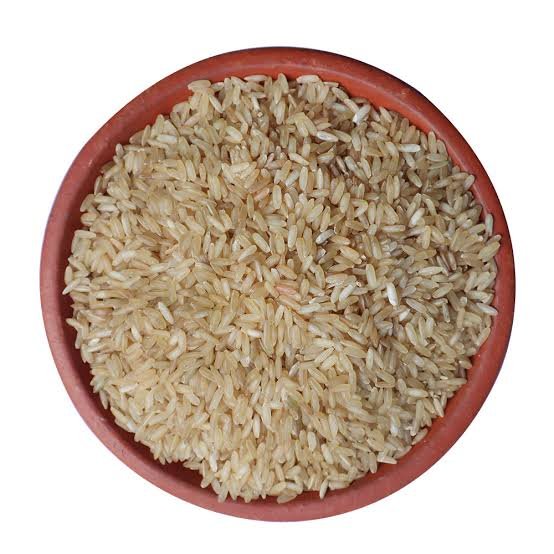
Because organic farming standards rely strictly on natural compost, green manure, and bio-fertilizers, scientific testing shows that organic grains like wheat and rice contain significantly lower levels of toxic cadmium.
Organic Milk Nutrition: Is the Dairy Swap Actually Worth It?
In an Indian household, milk (doodh) is practically sacred. From nourishing growing toddlers to brewing our beloved daily chai, dairy is an irreplaceable staple of our culinary ecosystem.
This brings us to a major point of interest: does organic milk nutrition offer a genuinely superior profile, or is it identical to the regular milk packets delivered to our doorsteps every morning?
┌────────────────────────────────────────────────────────┐
│            DAIRY COMPOSITION REALITY CHECK             │
├───────────────────────────┬────────────────────────────┤
│   Conventional Indian Milk│   Certified Organic Milk   │
├───────────────────────────┼────────────────────────────┤
│ • Often relies on factory │ • Mandatory pasture        │
│   feed, soy, and grains   │   grazing on natural grass │
│                           │                            │
│ • Higher ratio of Omega-6 │ • Up to 50% more Omega-3   │
│   fatty acids (Pro-inflam)│   fatty acids (Anti-inflam)│
└───────────────────────────┴────────────────────────────┘
The Omega-3 Fatty Acid Advantage
The scientific consensus here is incredibly clear, and it all boils down to what the cows are eating.
Organic dairy standards require that cows have regular access to open pastures and graze on natural grass, rather than being confined to concrete sheds and fed artificial grain mixtures or soy cakes.
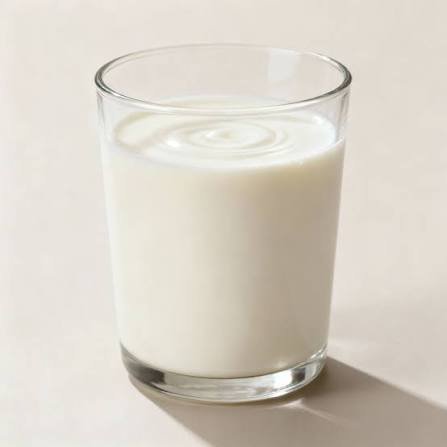
Because of this natural, grass-rich diet, multiple international meta-analyses have found that organic milk contains up to 50% more Omega-3 fatty acids than conventional milk.
For a predominantly vegetarian Indian population that doesn’t eat fish, getting high-quality, anti-inflammatory Omega-3s through daily dairy choices is an exceptional way to protect heart and brain health naturally.
Nutritional Value of Organic Foods: Vitamins vs. Minerals
Let’s look at the absolute facts without any bias. If we look strictly at basic macronutrients like total carbohydrates, proteins, fats, or basic vitamins like Vitamin A and Vitamin E, the scientific difference between organic and conventional crops is often quite small.
The variation in raw mineral content often depends far more on the regional soil quality and the exact time of harvest rather than just the organic certification seal alone.
| Nutrient / Compound | Organic Crop Status | The Real Scientific Explanation |
| Vitamin C | Slightly Higher | Often found in higher amounts in organic leafy greens and citrus fruits due to slower, natural growth rates. |
| Antioxidants / Polyphenols | Significantly Higher | Up to 69% more active plant defense compounds that protect human cells from oxidative damage. |
| Iron & Zinc | Comparable / Marginally Higher | Heavily dependent on the micronutrient richness of the farm’s soil rather than farming type alone. |
| Pesticide Chemical Load | Drastically Lower | Organic standards guarantee zero systemic synthetic chemicals are sprayed throughout cultivation. |
The Lifestyle Perspective: Prioritizing Real Organic Ingredients
Now that we know the core data, let’s talk about how to apply this knowledge logically to our everyday life in India.
A common trap many consumers fall into is buying highly processed junk food just because it carries an organic logo. If you are buying organic potato chips fried in refined vegetable oils, or organic cookies loaded with refined organic white sugar, you are completely missing the point!
The true benefits of eating organic manifest beautifully when you focus your attention on fresh, single-ingredient whole foods:
- Daily Grains & Pulses: Making sure your daily dal-chawal or roti flour is clean and unbleached.
- Cold-Pressed Oils: Choosing organic kachchi ghani mustard oil or sesame oil that hasn’t been chemically extracted using high-heat petroleum solvents.
- Whole Spices: Sourcing whole spices like black pepper, cardamom, and cumin that haven’t been stripped of their natural therapeutic essential oils during mass industrial processing.
Practical Guide: Is the Price Premium Valid for Your Family?
At this point, you might be thinking: “Alright, the science sounds great. Organic food has more antioxidants, fewer chemicals, and better fatty acids. But my monthly budget is still a reality!”
Let’s design a highly realistic, budget-conscious roadmap to help you integrate these changes without straining your finances. Think of this as a balanced priority matrix for your home kitchen:
Tier 1: High Priority (Make the Shift If Possible)
- Daily Greens & Herbs: Palak, methi, dhania, and pudina. These are heavily sprayed in conventional Indian farming and have high surface absorption areas.
- High-Consumption Oils & Ghee: Because toxins often store directly inside fat cells, making sure your primary cooking fats are clean is an exceptional health investment.
- Daily Spices: Especially haldi and chili powder, which are consumed every single day in multiple meals.
Tier 2: Low Priority (Save Your Money Here)
- Thick-Skinned Fruits: Bananas, mangoes, pineapples, and papayas. Their thick outer peels do a phenomenal job of shielding the sweet inner fruit pulp from environmental sprays.
- Foods with Natural Outer Shells: Green peas, corn, and coconuts are beautifully protected by nature’s own ingenious packaging.
The Final Verdict: Beyond the Plate
When we weigh all the scientific evidence together, the answer to our original question—is organic food more nutritious—is a definitive, multi-layered yes. While it may not contain double the basic vitamins, its massive antioxidant advantage, superior healthy fatty acid profiles, and complete lack of synthetic chemical residues make it a far superior choice for long-term health.
But choosing organic goes beyond personal nutrition. It is a vote for the health of our soil, the purity of our groundwater, and the safety of our traditional Indian farmers who work tirelessly in the fields.
Join the Conversation!
Every step you take toward mindful eating is a major milestone for your family’s long-term wellness. You don’t have to change everything today—progress is better than absolute perfection!
Now, we want to hear from you! Have you noticed a difference in the taste or aroma of organic spices in your kitchen? What’s the one item you always prefer buying organic? Share your thoughts and experiences in the comments below!
See Also
The Definitive Guide to Organic Food Labels: What Do They Actually Mean?
Is Organic food better for you? Organic vs Non-Organic Foods