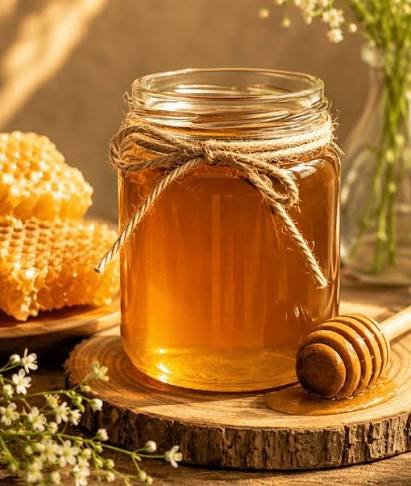

Buying a jar of pure, natural honey used to be straightforward. Today, a quick look at any grocery shelf or online store in India reveals labels like Raw, Organic, Forest, Wild, and Cold-Filtered. Raw Honey vs Organic Honey vs Forest Honey – are they all same ?
Understanding the differences between these options helps you choose the right honey for your health goals, budget, and taste preferences.
┌─────────────────────────────────────────────────────────────┐
│                    DEFINITION BOX                           │
├─────────────────────────────────────────────────────────────┤
│ • Raw Honey: Honey in its original state—unheated,         │
│   unpasteurised, and minimally filtered to retain pollen   │
│   and natural enzymes.                                      │
│                                                             │
│ • Organic Honey: Honey harvested from floral sources free   │
│   from synthetic pesticides, certified under regulatory    │
│   standards like Jaivik Bharat (FSSAI) or NPOP.             │
│                                                             │
│ • Forest Honey: Honey collected from wild hives or flora   │
│   in uncultivated forest ecosystems, usually multi-floral   │
│   and dark in color.                                        │
└─────────────────────────────────────────────────────────────┘
Quick Answer: Raw, Organic, and Forest Describe Different Qualities
When comparing these types of honey, remember that each term describes a distinct aspect of production:
- Raw describes how the honey is processed (unheated, unpasteurised, unrefined).
- Organic describes how the bees and forage environment are managed (free from synthetic pesticides, chemical fertilizers, or antibiotics).
- Forest (or Wild)describes the geographical source of the nectar (uncultivated forest trees and wild flora).
These terms are not mutually exclusive. A single jar can be raw, organic, and forest honey all at once if it is collected from wild forest hives, kept unheated, and certified under organic standards.
What Raw Honey Means in India
Raw honey meaning India: In Indian retail markets, “raw honey” refers to honey extracted directly from bee combs, strained through a fine cloth or mesh to remove wax and hive debris, and bottled without high-heat pasteurisation.
Honey Extraction ──► Cloth / Mesh Straining ──► Direct Bottling (Enzymes & Pollen Intact)
Key Attributes of Raw Honey
- Unpasteurised: Commercial processors heat honey above 60–70°C to destroy yeast and prevent crystallisation. Raw honey stays below natural hive temperatures (~35°C), keeping heat-sensitive enzymes intact.
- Intact Bee Pollen: Raw honey contains microscopic bee pollen, dynamic propolis, and antioxidants.
- Enzyme Richness:It retains natural enzymes like diastase and invertase, which assist digestion and provide antibacterial properties.
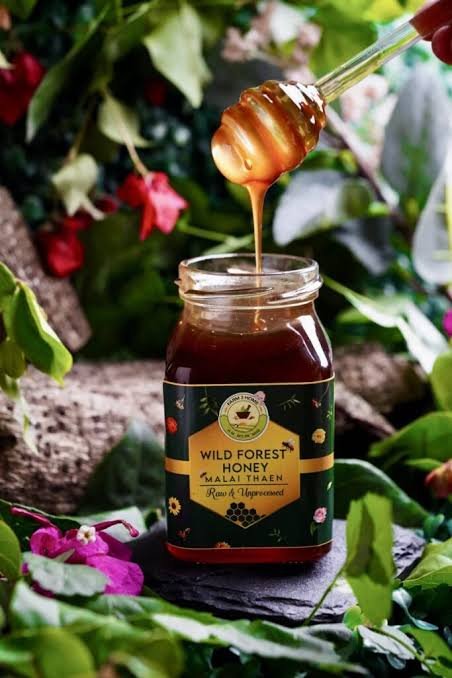
What Certified Organic Honey Means
For honey to carry an Organic Honey label in India, it must comply with strict organic farming standards established by APEDA (National Programme for Organic Production – NPOP) or Participatory Guarantee System (PGS-India), enforced domestically by FSSAI.
Pesticide-Free Forage Zone (3-5 km Radius) ──► Chemical-Free Hives ──► NPOP / Jaivik Bharat Audit
To earn organic certification in India, bee farms must meet specific conditions:
- Foraging Radius: Hives must sit in the center of a 3-kilometer chemical-free zone with no synthetic pesticides, chemical fertilizers, or industrial pollution nearby.
- Hive Management: Beekeepers cannot use synthetic antibiotics or chemical miticides to treat bee colonies. Hives are constructed using natural materials like non-toxic wood and beeswax.
- Traceability & Verification:Certification requires regular site audits, soil and flower testing, and full supply-chain documentation.Look for official regulatory logos like Jaivik Bharat or India Organic on the packaging.
Important: Honey labeled as “natural,” “pure,” or “farm-fresh” is not certified organic unless it displays a recognized certification seal.
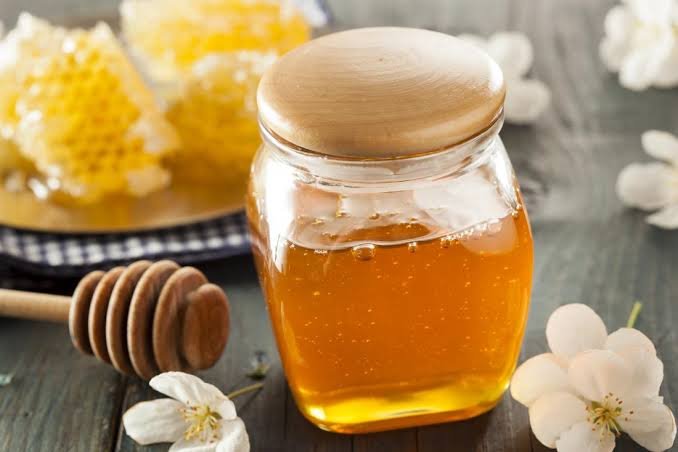
What Forest or Wild Honey Means
Forest honey vs organic honey: Forest honey (often labeled Jungli Shaht or Wild Honey) comes from wild honeybee species—such as the indigenous Apis dorsata (Giant Rock Bee)—or managed hives placed deep within natural forest reserves.
Wild / Deep Forest Flora ──► Wild Bee Foraging ──► Dark, Polyfloral Honey with Complex Flavor
Characteristics of Forest Honey
- Multi-Floral Profile: Unlike single-origin crop honeys (like mustard or acacia), forest honey comes from a wide variety of wild trees, medicinal herbs, and forest flora.
- Darker Color & Bold Taste: Forest honey generally has a deeper amber or dark brown color with a strong, complex flavor profile.
- High Mineral Content: Soil in native forests passes diverse micronutrients and minerals into wild blossoms, giving forest honey a rich nutritional profile.
- Sustainably Harvested: Traditional forest communities gather wild honey using manual harvesting techniques that preserve local ecology.
Can Honey Be Raw and Organic?
Yes, honey can easily be both raw and organic. In fact, this combination offers the highest nutritional value:
- Organicguarantees that the original nectar is free from synthetic chemical residues, pesticides, and antibiotics.
- Rawensures that those natural nutrients and live enzymes are not destroyed by high-heat industrial processing.
┌─────────────────────────────────────────────────────────────┐
│                 HONEY CLASSIFICATION MATRIX                 │
├───────────────────┬───────────────────┬─────────────────────┤
│ Term              │ Primary Focus     │ Key Verification    │
├───────────────────┼───────────────────┼─────────────────────┤
│ Raw Honey         │ Processing        │ High Enzyme Levels  │
│ Organic Honey     │ Environment       │ Jaivik Bharat Mark  │
│ Forest Honey      │ Floral Source     │ Dark / Polyfloral   │
└───────────────────┴───────────────────┴─────────────────────┘
Three-Way Comparison Table: Raw vs Organic vs Forest Honey
| Feature | Raw Honey | Certified Organic Honey | Forest / Wild Honey |
| Primary Source | Managed apiaries or natural farms | Certified organic farms / protected wild zones | Native forests, jungle flora, wild rock hives |
| Processing | Unheated (<35°C), mesh-strained, non-pasteurised | Can be raw or lightly pasteurised (check label) | Typically raw or minimally processed by hand |
| Certification | Manufacturer claims backed by NABL lab reports | Mandatory Jaivik Bharat / India Organic seal | Often certified forest produce (e.g., TRIFED / organic) |
| Flavour & Texture | Highly variable; often thick, cloudy, or crystallized | Depends on floral source; smooth and consistent | Rich, smoky, complex, dark amber profile |
| Pesticide / Antibiotic Risk | Depends on farm location | Guaranteed zero synthetic residues | Very low (harvested away from agricultural areas) |
| Price Point | Moderate to High | Premium (due to audit costs) | Premium (due to seasonal wild harvesting) |
Does Crystallisation Mean Honey Is Impure?
No. Crystallisation is a natural mark of pure, raw honey.
Real honey consists of two main natural sugars: fructose and glucose. Glucose tends to separate from water over time and form solid crystals.
Pure Raw Honey (High Glucose) ──► Spontaneous Glucose Separation ──► Fine White Crystallisation
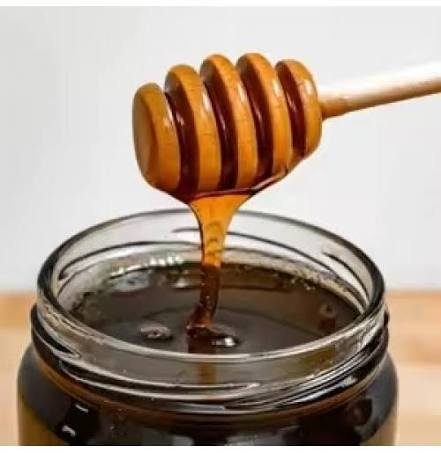
Why Ultra-Processed Commercial Honey Doesn’t Crystallize
- High-heat pasteurisation melts micro-crystals that trigger natural solidification.
- Ultra-fine pressure filtration removes natural pollen grains around which glucose crystals form.
- Adding commercial sugar syrups (like C4 sugarcane or C3 rice syrups) prevents crystallisation.
If your honey turns cloudy or thickens into a buttery texture during Indian winters, it is actually showing signs of being unheated and authentic!
Why Common Home Purity Tests Are Unreliable
Internet videos showcase simple home tests to verify honey purity—such as the Water Test, the Thumb Test, or the Matchstick Test. However, modern scientific testing shows these methods are generally unreliable.
       MYTH                           REALITY
┌──────────────────┐           ┌──────────────────┐
│ Water Drop Test  │ ────────► │ Tests viscosity  │
│ Matchstick Test  │ ────────► │ Tests moisture   │
│ Paper Blot Test  │ ────────► │ Tests density    │
└──────────────────┘           └──────────────────┘
- The Water Test: Adding a drop of honey to cold water measures viscosity and moisture content, not purity. Thick inverted rice syrup can pass this test as easily as genuine honey.
- The Matchstick / Fire Test: Dip a matchstick in honey and light it. This only measures whether the honey’s moisture content is under 20%. Adulterated sugar syrups with low water content will light just fine.
- The Paper Blot Test: Placing honey on tissue paper tests density rather than origin.
How Commercial Honey Is Tested in Laboratories
To detect modern sugar syrups (like invert sugar, rice syrup, or corn syrup), advanced laboratories in India use chemical and isotopic testing techniques:
Raw Honey Sample
       │
       ├──► SCIRA (C3/C4 Isotope Test) ──► Catches Cane & Corn Syrups
       │
       ├──► NMR Spectroscopy ────────────► Fingerprints Rice & Invert Syrups
       │
       └──► HMF & Diastase Testing ─────► Verifies Thermal History
- SCIRA (Stable Carbon Isotope Ratio Analysis): Measures $C^{12}$ and $C^{13}$ carbon ratios to detect cheap C4 plant sugars like sugarcane or corn syrup.
- NMR Spectroscopy (Nuclear Magnetic Resonance): Scans the metabolic “fingerprint” of the sample against a global database to detect C3 plant syrups (such as rice syrup). FSSAI mandates NMR testing for export honey and strict domestic compliance.
- HMF (Hydroxymethylfurfural) Level: Measures heat damage. Raw honey maintains low HMF levels (FSSAI sets a maximum limit of $40\text{ mg/kg}$ to $80\text{ mg/kg}$).
- Diastase Activity: Measures the presence of live enzymes added by bees. Processing honey with high heat destroys diastase units.
Label-Checking Checklist: What to Look For Before Buying
Use this label-checking guide before purchasing honey in India:
┌─────────────────────────────────────────────────────────────┐
│                 BUYER'S LABEL CHECKLIST                     │
├─────────────────────────────────────────────────────────────┤
│ [ ] Check for the Jaivik Bharat / India Organic Logo        │
│ [ ] Confirm Single-Ingredient Declaration ("100% Honey")    │
│ [ ] Verify "Unheated" or "Cold-Filtered" Language           │
│ [ ] Check for FSSAI License Number & Batch Traceability     │
│ [ ] Scan QR Code for NABL Lab Reports (NMR / SCIRA Tested)  │
└─────────────────────────────────────────────────────────────┘
- Look for Official Logos: Check for the green Jaivik Bharat or India Organic seal.
- Read Ingredients Carefully: The back label should list only one ingredient: Pure Honey. Avoid items listing added glucose, fructose, or sugar syrup.
- Look for Batch Traceability: Trusted brands provide batch numbers or QR codes linking directly to NABL-accredited laboratory test reports.
- Check Processing Claims: Phrases like “Cold-extracted,”“Raw & Unfiltered,” or “Unheated” indicate minimal processing.
How to Store Honey Properly
Raw honey does not spoil easily if stored correctly:
- Keep it Airtight: Honey absorbs moisture from the air (hygroscopic). Excess moisture can trigger natural fermentation. Always seal the lid tightly after use.
- Store at Room Temperature: Store your honey jar in a cool pantry, away from direct sunlight and stove heat.
- Avoid Refrigeration: Cold temperatures accelerate crystallisation. While crystallisation is safe, refrigeration turns honey into a hard paste.
- Use Clean, Dry Spoons: Introducing moisture or food crumbs into the jar can cause mold growth.
- How to Liquefy Crystallized Honey: Place the glass jar in a warm water bath ($<40^\circ\text{C}$) and stir gently. Avoid using a microwave or boiling water, as high heat destroys beneficial enzymes.
Important Safety Note: Do Not Give Honey to Infants
Never give honey—whether raw, organic, or forest—to infants under 12 months of age. Honey can naturally carry spores of Clostridium botulinum, a soil bacterium. While an adult’s mature digestive system handles these spores safely, an infant’s developing intestinal tract can allow them to grow, leading to a serious condition called infant botulism.
Frequently Asked Questions (FAQs)
Q1. Is raw honey safe to eat without heating?
Yes. Pure raw honey extracted under hygienic conditions is safe for healthy adults and children over one year old. It contains natural antimicrobial properties that prevent harmful bacterial growth.
Q2. Which honey is best for daily weight management or immunity routines?
Raw Forest Honey or Certified Organic Raw Honey are popular choices. Raw honey retains live enzymes and antioxidants, while organic certification ensures freedom from synthetic chemical residues.
Q3. Why is forest honey often darker than normal honey?
Forest honey comes from wild tree nectars, dark blossoms, and plant honeydew. These sources naturally contain higher levels of minerals, iron, and antioxidant compounds, giving the honey its deep color.
Q4. Can organic honey be heated or pasteurised?
Yes. “Organic” refers to the pesticide-free environment and hive management practices. Some organic brands choose to pasteurise their honey for clarity. Look for labels that state both Organic and Raw to get both benefits.
See Also
- How are raw honey and regular honey different?
- What Makes Honey Organic ? A Deep Dive into the Sweet Truth
- Is Raw Honey Safe? Unpacking the Facts
- Is Organic Food More Nutritious? What Science Honestly Says
- Cold Pressed Mustard Oil vs Filtered Mustard Oil: The Indian Cooking Guide
- Organic vs Natural vs Chemical-Free vs Residue-Free Food in India