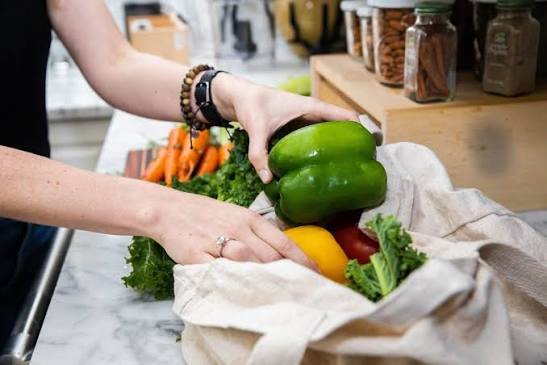
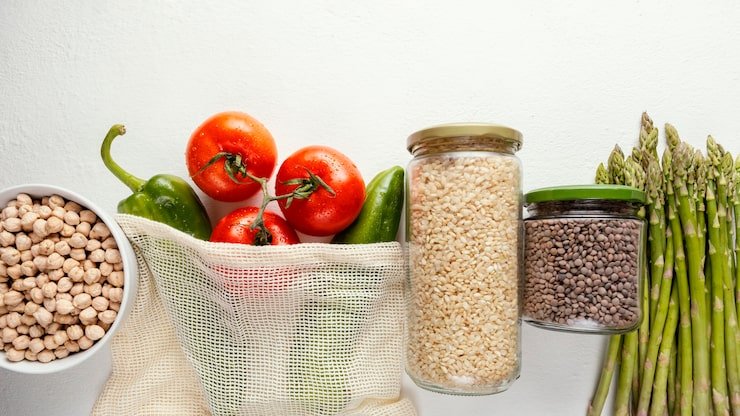

Let’s be completely honest: the thought of switching your entire household over to a clean, organic lifestyle can feel incredibly overwhelming. We are discussing Organic Pantry Essentials.
You scroll through wellness feeds online, see pictures of picture-perfect glass jars filled with exotic seeds, and think about your own bustling, chaotic kitchen. You look at your containers of dal, the daily bag of atta, the shelf of essential spices, and you think: “Where do I even begin? Do I need to throw out everything in my kitchen tonight and spend a fortune starting from scratch?”
The answer is an absolute, definitive no.
Trying to change your entire kitchen setup overnight is the fastest way to burn out, drain your bank account, and abandon your health goals by the end of the week. True, sustainable wellness doesn’t happen through radical, stressful overhauls. It happens through smart, step-by-step micro-shifts.
The absolute best way to transition into a chemical-free lifestyle is by focusing on your pantry. Why? Because while fresh vegetables come and go within a few days, your pantry items form the structural foundation of every single meal you cook. Your oils, flours, lentils, and spices are things you consume every single day, month after month.

Today, we are laying down the ultimate organic pantry essentials checklist specifically designed for the Indian kitchen. We are going to look at long shelf life whole foods that you can buy in bulk, store with ease, and use as the building blocks for a truly wholesome Indian kitchen.
Grab a diary, pull up your grocery app, and let’s systematically build your clean-eating foundation!
The Strategic Blueprint: Why the Pantry Comes First
When you are buying organic in India, you need to make sure every single rupee you spend delivers the maximum protective value for your family’s health.
If you spend your premium budget on exotic organic fruits that spoil in three days, you aren’t maximizing your investment. But when you invest in high-quality pantry staples, you are securing ingredients that form the literal DNA of your daily cooking.
Consider this logic: your daily tadka uses oil, turmeric, and cumin seeds. Your primary lunch consists of roti and dal. If these core baseline components are loaded with chemical residues or have been stripped of their nutrients during heavy industrial processing, it offsets the benefit of adding organic veggies later on.
By systematically upgrading your dry storage cupboard using our clean eating pantry checklist, you ensure that the baseline of your diet is 100% pure, clean, and nutrient-dense.
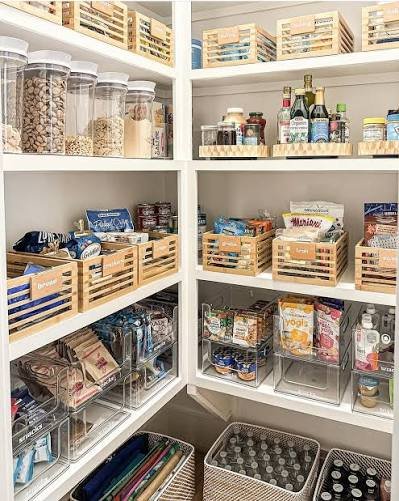
Pillar 1: The Foundation Grains & Wholesome Flours
Let’s start with the absolute heavyweight champions of the Indian kitchen: our daily carbohydrates. These are the items we buy in the largest volumes, meaning that upgrading them offers a massive cumulative health impact.
1. Whole Wheat Atta & Traditional Grains
Conventional commercial atta is often heavily processed, bleached, and treated with anti-caking agents to extend warehouse shelf life.
- The Organic Upgrade: Look for stone-ground (chakki-fresh) certified organic whole wheat atta. Because it is ground at lower temperatures, the natural bran and germ of the wheat remain intact, giving your family far more fiber and B-vitamins.
- The Heritage Twist: If you want to take your nutrition to the absolute premium tier, explore ancient heritage wheat varieties like Khapli (Emmer wheat). It is lower in gluten disruption and incredibly easy on the digestive system.
2. Unpolished Basmati and Regional Rice
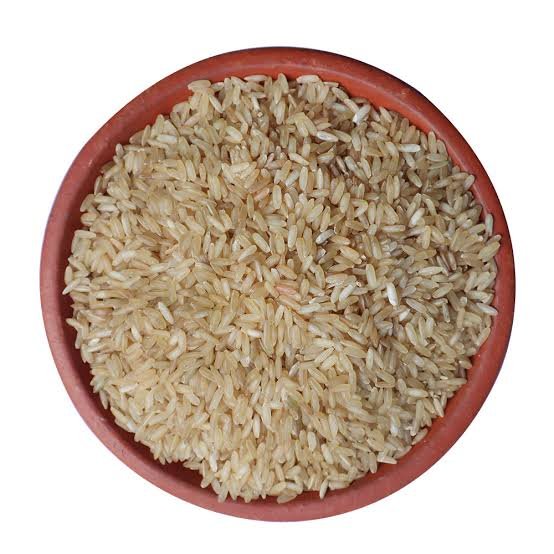
Regular polished white rice has its outer husk, bran, and germ stripped away mechanically, leaving behind mostly pure starch.
- The Organic Upgrade: Choose unpolished or semi-polished organic rice varieties. Whether you love classic long-grain Basmati or regional powerhouses like Sona Masuri or Indrayani, unpolished organic rice retains its natural trace minerals and has a lower glycemic impact.
3. The Millet Revolution (Ragi, Jowar, Bajra)
Millets are India’s original ancient superfoods. They are inherently hardy crops that require very little water to grow, making them fantastic choices for sustainable farming.
- The Organic Upgrade: Keep organic Ragi (finger millet), Jowar (sorghum), and Bajra (pearl millet) flours or grains in your pantry. Mixing a portion of these into your daily flatbread dough is one of the easiest organic staples on a budget hacks to skyrocket your daily iron and calcium intake.
Pillar 2: Clean Pulses & Protein-Rich Lentils
For the vast majority of Indian households, dal is our primary source of daily plant-based protein. It is the ultimate comfort food. However, conventional lentils are often subjected to heavy post-harvest chemical fumigation to prevent weevils, and many commercial brands use synthetic oils to polish the dal so it looks unnaturally shiny on supermarket shelves.
                  THE TRUE LENTIL REALITY CHECK
  ┌─────────────────────────────────────────────────────────────────┐
  │  COMMERCIAL POLISHED DAL VS. AUTHENTIC UNPOLISHED DAL          │
  ├─────────────────────────────────────────────────────────────────┤
  │  • Commercial: Treated with water, oil, or leather powder polish│
  │  • Commercial: Stripped of natural moisture and outer nutrients │
  │  • Organic: 100% Unpolished, retains natural seed coat textures │
  │  • Organic: Cooks beautifully, absorbs spices deeply, high fiber│
  └─────────────────────────────────┬───────────────────────────────┘
                                    │
                                    ▼
                 SUPERIOR FLAVOR & NATURAL DIGESTION
            (Zero artificial polish chemicals entering your gut)
The Core Lentil Checklist
When stocking up your storage jars, look for trusted certified organic brands that offer completely unpolished variants of these four essentials:
- Toor / Arhar Dal: The baseline star of the Indian kitchen. Unpolished organic toor dal might look slightly duller in color, but it cooks into a significantly creamier texture and tastes incredibly rich.
- Moong Dal (Whole & Split): Exceptionally easy to digest and perfect for light, wholesome weekday dinners.
- Chana Dal & Kala Chana: Packed with dense structural protein and complex carbohydrates.
- Urad Dal: Essential for making fermented breakfast batters like idlis and dosas at home from scratch.
Pillar 3: Unrefined Liquid Gold (The Cooking Oils)
If there is one single item on this entire checklist that you should prioritize upgrading first, it is your daily cooking oil. Fat is a primary carrier of flavor and nutrition, but it is also where chemical impurities concentrate most easily.
Conventional refined oils are extracted using extreme industrial heat and toxic chemical solvents like hexane (a petroleum byproduct). They are then bleached and deodorized so they become completely tasteless and odorless, destroying all natural nutrients in the process.
To build a truly healthy kitchen foundation, switch entirely to organic, unrefined cooking oils:
| Oil Variant | Traditional Indian Extraction Method | Best Used For |
| Organic Mustard Oil | Kachchi Ghani / Cold-Pressed | Heavy North Indian cooking, traditional tadkas, pickles, and winter curries. |
| Organic Groundnut Oil | Wood-Pressed / Chekku | Daily versatile sautéing, deep-frying (high smoke point), and West/South Indian recipes. |
| Organic Coconut Oil | Cold-Pressed Virgin | South Indian delicacies, coastal curries, baking, and raw wellness shots. |
| Organic A2 Cow Ghee | Traditional Bilona Method (Curd-churned) | Drizzling over hot rotis, finishing khichdi, and preparing restorative sweets. |
Pillar 4: Therapeutic Whole Spices & Herbs
Indian cuisine is defined by its spices. They aren’t just flavor enhancers; they are deep, ancestral medicinal compounds. Our daily use of turmeric (haldi), black pepper (kali mirch), and cumin (jeera) functions as a continuous preventive healthcare matrix for our bodies.
However, mass-market spice powders are highly vulnerable to adulteration, and conventional spices are often subjected to heavy chemical irradiation to maximize corporate shelf life, which strips away their natural, healing therapeutic essential oils.
The Spice Cabinet Upgrades
- Organic Turmeric (Haldi): Look for organic turmeric with a high curcumin content. Curcumin is the active compound responsible for turmeric’s potent anti-inflammatory properties. Real organic haldi has a deep, vibrant golden-orange hue and an intensely earthy aroma.
- Organic Cumin (Jeera) & Mustard Seeds (Rai): The undisputed rulers of the daily tadka. Organic seeds pop beautifully in hot oil, releasing an intense fragrance that conventional alternatives simply cannot match.
- Whole Black Peppercorns: Buying whole organic peppercorns and grinding them fresh when needed ensures you get a full dose of piperine, which drastically boosts how well your body absorbs turmeric!
Pillar 5: Natural, Unrefined Sweeteners
White table sugar is a highly refined chemical product that goes through intensive processing, sulfur bleaching, and mineral stripping. It provides empty calories that cause sharp blood sugar spikes and chronic low-grade inflammation throughout the body.
Upgrading your sweetener cabinet with clean, unrefined organic alternatives is an exceptional act of care for your family’s long-term metabolic health.
- Organic Jaggery (Gur / Shakkar): True organic jaggery is made by slowly boiling pure sugarcane juice without adding chemical clarifying agents. It should look deep brown or dark caramel, never bright yellow (which indicates sulfur bleaching). It is naturally rich in iron and acts as a brilliant post-meal digestive.
- Raw Organic Honey: Never heated or ultra-filtered, raw organic honey retains its natural living enzymes, pollen particles, and immunity-boosting properties. Use it to sweeten your warm morning lemon water or herbal teas (never add honey to boiling hot liquids, as high heat alters its beneficial structure).
Step-by-Step Storage Plan: Keeping Your Pantry Pristine Naturally
Because authentic organic pantry items do not contain toxic synthetic preservatives or artificial anti-caking agents, they require a tiny bit of mindful care to stay completely fresh during humid Indian monsoons or hot summer months. Use this procedural guide to manage your new clean pantry like a pro:
1.The Transition to Glass or Steel:Phase 1.
Ditch cheap, flimsy plastic storage containers that can leach harmful chemicals like BPA into your food over time. Invest in high-quality glass jars, ceramic containers, or heavy-duty stainless steel (steel ke dibbe) canisters.
2.Deploy Nature’s Own Defenses:Phase 2.
Before pouring your organic lentils or grains into their jars, place 2 or 3 dried neem leaves or whole cloves (laung) at the bottom. For flours like atta or ragi, adding a single piece of whole rock salt (sendha namak) acts as an exceptional, completely natural moisture absorber that prevents clumping.
3.Implement the FIFO Rotation System:Phase 3.
Follow the simple kitchen rule of First In, First Out (FIFO). When you buy a fresh batch of organic dal, make sure you finish the remaining leftovers from your older batch completely before pouring the new supply on top. This keeps your inventory rotating smoothly and prevents items from sitting forgotten at the back of the shelf.
The Master Checklist: Print and Save for Your Next Run
To make your upcoming grocery order completely seamless, use this clean-pantry framework to track your updates systematically:
- [ ] Grains: Stone-ground Organic Atta, Unpolished Basmati Rice, Organic Ragi or Jowar flour.
- [ ] Lentils: Unpolished Toor Dal, Whole Moong, Split Urad Dal, Organic Chana.
- [ ] Oils: Cold-pressed Kachchi Ghani Mustard Oil or Groundnut Oil, Cultured A2 Cow Ghee.
- [ ] Spices: High-curcumin Haldi, Whole Jeera, Whole Black Peppercorns, Green Cardamom.
- [ ] Sweeteners: Dark Organic Jaggery Powder, Raw Unfiltered Honey.
Your Kitchen, Your Sanctuary
Rebuilding your kitchen foundation using this organic pantry essentials checklist is one of the most empowering, deeply satisfying journeys you can embark upon for your household. You don’t have to change every single container today.
Start with your cooking oil this month. Next month, upgrade your daily atta and dal. Within a few short months, your pantry will be completely transformed into a vibrant sanctuary of pure, unadulterated nourishment. Your food will taste richer, your kitchen will smell more aromatic, and you will enjoy the unparalleled peace of mind that comes with knowing you are feeding your loved ones exactly what nature intended.
Let’s Swap Kitchen Secrets!
What is the very first item you plan to upgrade to organic in your pantry this week? Do you have an amazing traditional family secret for keeping grains fresh without chemicals? Drop your thoughts, questions, and kitchen wisdom in the comments below—we love learning from your home experiences!
See Also
The Definitive Guide to Organic Food Labels: What Do They Actually Mean?
My Natural and Organic Pantry