
Wondering how to store organic grains without insects in Indian kitchens? Here are simple storage tips using airtight containers, sun-drying, neem leaves, bay leaves, and monsoon pantry care
Organic grains are wonderful for everyday Indian cooking. Whether it is rice for lunch, atta for rotis, dal for dinner, or millets for a healthy breakfast, organic staples bring freshness and nutrition to the kitchen. But they also come with one common worry: insects.
If you have ever opened a rice dabba and found tiny bugs crawling inside, or noticed small moths around your atta container during monsoon, you are not alone. Many Indian households face this problem, especially when buying grains in bulk.
This guide explains how to store organic grains without insects using practical, safe, and traditional Indian kitchen methods. No complicated equipment. No harsh chemicals. Just smart storage, sunlight, clean containers, and a few age-old pantry tricks that still work beautifully.
Why Organic Grains May Attract Insects Faster
Organic grains are usually grown and processed with fewer synthetic chemicals. That is one reason many families prefer them. But it also means they may not always go through the same level of chemical treatment or preservation as highly processed commercial grains.
This does not mean organic grains are “bad” or unsafe. It simply means they need better care once they enter your kitchen.
Insects usually enter grains because of:
- Moisture in the grains
- Poorly cleaned containers
- Old grain residue left behind
- Warm and humid kitchen conditions
- Loose packaging
- Long storage without inspection
- Mixing old and new grains
Stored grain insects love warmth, moisture, dust, and leftover grain particles. That is why the first rule of how to store organic grains without insects is simple: keep everything dry, clean, sealed, and checked regularly.
First Rule: Do Not Store Grains in Their Original Packet for Long
Many people bring organic rice, wheat, dal, or millets home and keep them in the same plastic packet. This is fine for a few days, but not ideal for long-term storage.
Packets can tear, absorb moisture, or leave small openings through which insects enter. If the packet is loosely tied with a rubber band, it is even easier for pests to get in.
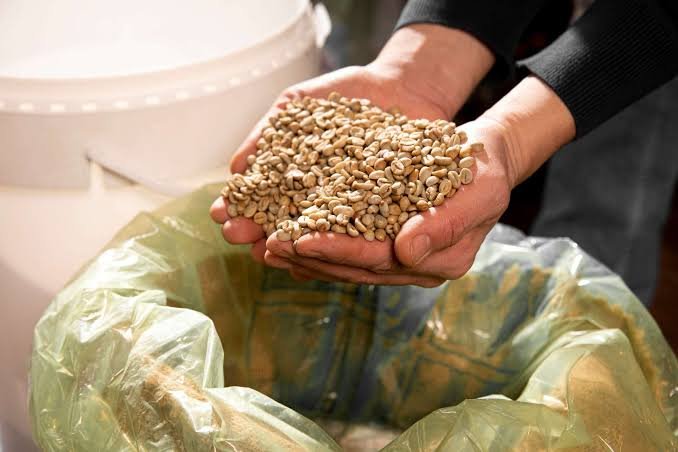
The better method is to transfer grains into a clean, dry, airtight container as soon as possible. Before transferring, check the grains carefully under good light. Look for webbing, powdery residue, small holes, moths, beetles, or clumped grains.
If you spot anything suspicious, do not mix it with your existing pantry stock.
Best Containers for Organic Grain Storage
Choosing the right container is one of the most important steps in learning how to store organic grains without insects. In Indian kitchens, we need containers that can handle heat, humidity, regular opening, and bulk storage.
1. Stainless Steel Containers
Steel dabbas are a classic Indian kitchen favourite for a reason. They are strong, reusable, easy to clean, and do not absorb smell. They also keep grains away from light and are suitable for rice, wheat, dal, millets, and poha.
Choose containers with tight-fitting lids. If the lid is loose, place a clean cotton cloth under the lid before closing, or upgrade to a better-sealing dabba.
Best for: rice, wheat, whole dal, millets, chana, rajma, poha.
2. Glass Jars
Glass jars are excellent for smaller quantities. They are especially useful because you can see what is happening inside. If insects, moisture, or webbing appear, you will notice quickly.
Use glass jars for dals, seeds, quinoa, small millet quantities, spices, nuts, and flours used frequently. Always keep glass jars away from direct sunlight because heat can affect freshness.
Best for: dal, seeds, small grain batches, daily-use pantry items.
3. Ceramic Jars
Ceramic jars look beautiful and are good for kitchen counters, but they must be completely dry before use. Choose ceramic jars with airtight lids. Avoid old jars with cracks because insects can hide in tiny gaps.
Best for: small quantities of rice, dal, millet, and specialty grains.
4. Food-Grade Plastic Bins
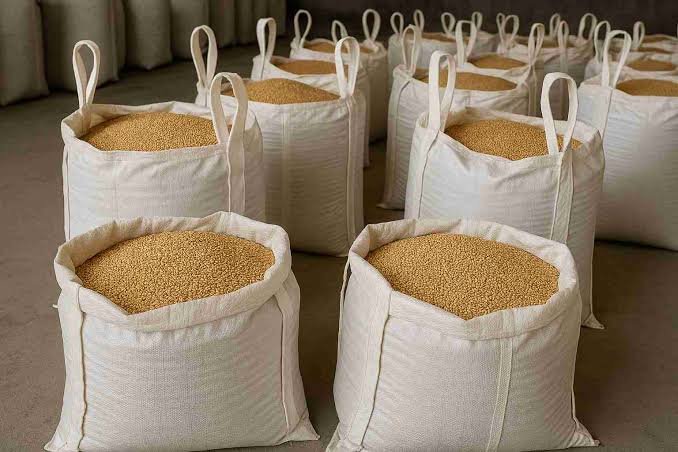
For large families buying 10 kg or 25 kg sacks, food-grade bins are practical. But make sure the plastic is food-safe, thick, odour-free, and has a proper airtight lid.
Avoid using old paint buckets, detergent containers, or random plastic tubs for food grains. These can contaminate food and may also retain odours.
Best for: bulk rice, wheat, atta packets, large millet storage.
5. Airtight Bins With Locking Lids
If your kitchen is humid or you live in a city like Mumbai, Chennai, Kolkata, Kochi, Bengaluru during monsoon, or Delhi during damp winter conditions, airtight bins with locking lids are very useful.
Sealed containers reduce insect entry and help control moisture exposure, which is essential for safe organic grain storage.
Sun-Drying Grains Before Storage
Sunlight is one of the simplest and most effective traditional methods for grain storage in India. Our grandmothers knew this well. Before storing rice, wheat, dal, or pulses for months, they would spread them in the sun.
Sun-drying helps reduce moisture and makes the grains less attractive to insects. Agricultural storage guidance also highlights proper drying as a key step in reducing infestation risk, with grains needing to be dried well before storage. (Texas A&M AgriLife Organic)
How to Sun-Dry Grains at Home
Spread the grains on a clean cotton cloth, steel thali, bamboo tray, or clean mat. Keep them in direct sunlight for 2–4 hours on a dry day. Stir the grains once or twice so all sides get sunlight.
After sun-drying, let the grains cool completely before putting them into containers. This is very important. If you store warm grains immediately, condensation may form inside the container, creating moisture.
When Should You Sun-Dry?
Sun-dry grains:
- After buying bulk grains
- Before monsoon
- If grains feel slightly damp
- If you are storing them for more than one month
- After cleaning and sorting grains
- If your kitchen has humidity issues
Avoid sun-drying during cloudy or humid weather. The goal is to remove moisture, not add more.
Traditional Indian Storage Methods That Still Work
Indian kitchens have always had natural pantry wisdom. Neem leaves, bay leaves, cloves, dried chillies, turmeric, and sunlight have been used for generations to protect grains.
These methods are not magic, and they do not replace clean storage. But when used correctly, they can support your plan for how to store organic grains without insects.
Neem Leaves for Grain Storage
Neem is one of the most trusted traditional methods for storing grains. Farmers and households in India have used neem leaves to help protect stored grain from insects for a long time. (Farm Radio Scripts)
How to use neem leaves:
Wash fresh neem leaves and dry them fully in shade. Once completely dry, place a few leaves at the bottom of the container, add grains, then place a few more leaves on top.
Do not use wet neem leaves. Moisture can spoil the grains. Also, do not overfill the container so tightly that air cannot settle at all.
Best for: rice, wheat, whole pulses, millets.
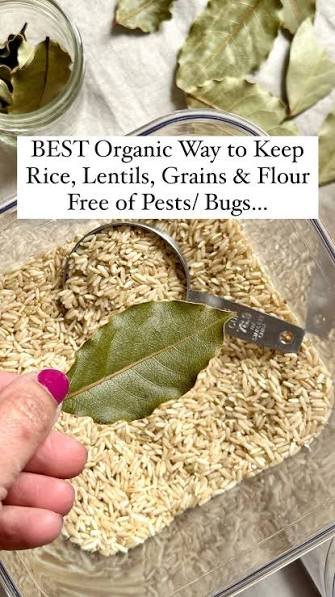
Bay Leaves or Tej Patta
Bay leaves are commonly used in Indian kitchens and may help discourage pantry insects because of their strong aroma. Place 2–4 dry bay leaves in a rice, wheat, or dal container.
Replace them every month or when the aroma fades.
Best for: rice, dal, wheat, sooji, poha.
Cloves
Cloves have a strong smell and are often used in small pantry containers. You can place a few cloves in a small muslin pouch and keep it inside the container. This works especially well for smaller jars of dal or rice.
Best for: dal jars, rice jars, pantry shelves.
Dry Red Chillies
Some households keep dried red chillies in grain containers. Like cloves and bay leaves, they are used mainly for their strong smell.
Make sure the chillies are completely dry. Any damp chilli can invite fungus.
Best for: rice and whole pulses.
Turmeric
A small piece of dry turmeric is sometimes used in traditional grain storage. However, turmeric can stain lighter grains and containers, so use it carefully.
Best for: whole pulses, not ideal for white rice.
Rice Storage Tips
Rice is one of the most commonly stored grains in Indian homes, so it needs special attention. Organic rice can attract weevils if stored in damp or open conditions.
To store rice properly, first check it for tiny black or brown insects. If clean, sun-dry it before long-term storage. Store it in a steel dabba, glass jar, or food-grade airtight bin. Add a few dry neem leaves or bay leaves.
Do not keep rice near the sink, gas stove, or water purifier. These areas often have moisture and heat.
For daily use, keep 1–2 kg in a smaller container and store the bulk rice separately. This reduces how often the main container is opened.
Wheat Storage Tips
Whole wheat is usually bought in bulk and then milled into atta. If you buy organic wheat, inspect it carefully before storage.
Sun-dry wheat properly before storing. Use a large steel container or food-grade bin with a tight lid. Neem leaves work well for wheat storage.
Do not mix old wheat with new wheat. Finish the older stock first, clean the container, dry it fully, and then add the new batch.
If you send wheat for milling, make sure the flour mill is clean. Sometimes infestation can also happen during milling or transport.
Atta Storage Tips
Atta is more delicate than whole wheat. Once wheat is ground, the flour has more surface area exposed to air and moisture. This means atta can spoil faster than whole grain.
The best way to store atta is to buy or grind smaller quantities. For most homes, 5 kg or 10 kg at a time is more manageable than storing huge amounts for months.
Keep atta in an airtight steel or food-grade container. During monsoon, you can store a smaller quantity in the fridge if your kitchen is very humid. Always use a dry spoon or dry measuring cup. Never put a wet hand or damp katori inside the atta dabba.
If atta smells sour, feels clumpy, has webbing, or shows insects, discard it.
Dal and Pulse Storage Tips
Dals like toor dal, moong dal, masoor dal, chana dal, urad dal, rajma, chole, and lobia can attract beetles and pantry pests if stored for too long.
Store dals in airtight jars or steel containers. For dals used less often, buy smaller quantities. Keep whole pulses like rajma and chole separate from split dals.
You can add bay leaves, cloves, or dried neem leaves. Check once a month for powdery residue at the bottom of the jar. Powder often indicates insect activity.
Do not keep dal packets open in drawers. Transfer them into containers immediately.
Millet Storage Tips
Millets like ragi, jowar, bajra, foxtail millet, little millet, kodo millet, and barnyard millet are becoming popular in Indian homes again. But many people do not know how to store them.
Millets can become rancid or insect-prone if exposed to moisture. Buy smaller batches if you are new to millet cooking. Store them in airtight glass or steel containers.
Millet flours, especially ragi flour and bajra flour, should be used faster than whole millets. During humid months, refrigerating millet flour is a good idea.
Label each millet container with the purchase date. This small habit makes pantry management much easier.
How to Store Grains During Monsoon
Monsoon is the real test for Indian pantry storage. Even a well-maintained kitchen can suddenly feel damp. Grains absorb moisture from the air, and insects multiply faster in warm, humid conditions.
If you want to master how to store organic grains without insects, monsoon preparation is non-negotiable.
Before monsoon begins, clean your pantry fully. Remove all containers, wipe shelves, dry them, and check for hidden spills. Sun-dry bulk grains on a hot day before the rains set in.
During monsoon:
- Keep containers tightly closed
- Avoid buying huge quantities
- Use smaller daily-use jars
- Keep grains away from walls and floors
- Do not store sacks directly on the ground
- Use moisture absorbers outside food containers
- Check grains every 15 days
- Avoid opening containers with wet hands
For very humid homes, store high-risk items like atta, besan, ragi flour, nuts, and seeds in the refrigerator.
Pantry Placement Matters
Where you keep grains is just as important as what you store them in.
Avoid storing grains:
- Under the sink
- Near the gas stove
- Beside the fridge compressor
- Near bathroom walls
- On damp floors
- In closed cabinets with no cleaning access
- Near old cardboard boxes
Store grains in a cool, dry, well-ventilated place. If you store large bins, keep them slightly away from walls so you can clean and inspect the area. Food storage guidance recommends clean, pest-free storage areas and enough space for inspection and housekeeping. (FSSAI)
What to Do If Insects Appear
Finding insects in grains is unpleasant, but it happens. The important thing is to act quickly.
First, separate the affected container from the rest of the pantry. Do not open it near other grains, as insects or eggs may spread.
Check the level of infestation. If there are only a few insects in whole grains like rice or wheat, some households sun-dry and clean the grains. But if there is webbing, bad smell, fungus, clumping, powder, larvae, or too many insects, it is safer to discard the grain.
Do not use chemical sprays inside grain containers. Do not spray insecticide on food. If the pantry shelf has insects, empty it, clean it, dry it, and only then place food containers back.
Wash the container with hot water and mild soap. Dry it completely in the sun before reuse.
Should You Freeze Organic Grains?
Freezing can be useful for small quantities of high-risk grains, flours, seeds, and pulses. If you buy organic grains and are worried about hidden eggs, you can freeze small packets for a few days before transferring them to storage containers.
This is especially useful for:
- Atta
- Besan
- Millet flour
- Ragi flour
- Nuts and seeds
- Small dal packets
- Specialty rice
After removing from the freezer, allow the grain packet to come to room temperature before opening. This prevents condensation. Then transfer the contents into a clean, dry, airtight container.
Monthly Pantry Inspection Checklist
A monthly inspection is one of the easiest ways to prevent a small issue from becoming a full pantry infestation.
Use this simple checklist:
- Check rice, wheat, dal, atta, besan, sooji, poha, and millets
- Look for insects, webbing, larvae, powder, clumps, or bad smell
- Wipe pantry shelves
- Check behind large containers
- Clean grain spills immediately
- Replace old neem leaves or bay leaves
- Make sure lids are tight
- Move older stock to the front
- Label new purchases with date
- Avoid mixing old and new grains
- Sun-dry bulk grains if needed
- Discard badly infested items
This monthly habit is one of the best answers to how to store organic grains without insects in a busy Indian household.
Common Mistakes to Avoid
Even careful homes make small storage mistakes. Avoid these:
Buying Too Much at Once
Organic grains are best enjoyed fresh. Unless you have proper bulk storage, avoid buying more than you can use in 1–2 months.
Using Damp Containers
Even a few drops of water inside a container can spoil grains. Always dry containers fully before refilling.
Mixing Old and New Stock
This is a common cause of infestation. Old grains may already have hidden insect eggs or dust. Finish, clean, dry, then refill.
Keeping Grains in Cardboard Boxes
Cardboard attracts moisture and pests. It is not ideal for Indian kitchen grain storage.
Ignoring Pantry Corners
Insects often hide in corners, cracks, and spilled grain dust. Clean shelves regularly.
Best Storage Method for Each Grain
For rice, use steel or glass containers with neem or bay leaves.
For wheat, sun-dry first and store in a large airtight steel or food-grade bin.
For atta, store in a smaller airtight container and use quickly. Refrigerate during monsoon if needed.
For dals, use glass jars or steel containers and inspect monthly.
For millets, buy smaller quantities and keep them in airtight jars.
For millet flour, refrigerate if you live in a humid city.
For besan and sooji, buy in small quantities because they can attract insects quickly.
For poha and murmura, keep in airtight containers and use fast, as they absorb moisture easily.
Final Thoughts
Learning how to store organic grains without insects is not difficult. The secret is to think like an Indian kitchen expert: dry the grains, clean the container, seal it properly, add natural repellents, and inspect regularly.
Organic grains are valuable. They cost more, taste better, and often come with more care from farmers and suppliers. Once they reach your kitchen, they deserve the same care.
A clean pantry, airtight containers, sunlight, neem leaves, and a monthly check can save you money, reduce food waste, and keep your family’s food safe.
So the next time you bring home organic rice, wheat, dal, atta, or millets, do not just push the packet into the cabinet. Give it five extra minutes of attention. Your future self will thank you when you open the container weeks later and find clean, fresh, insect-free grains.
FAQs on How to Store Organic Grains Without Insects
1. How do I store organic grains without insects at home?
The best way is to sun-dry grains before storage, transfer them to clean airtight containers, add dry neem leaves or bay leaves, and inspect them every month. Keep the containers in a cool, dry place away from moisture.
2. Why do organic grains get insects faster?
Organic grains may have fewer chemical preservatives or treatments, so they need better storage care. Moisture, warmth, loose packaging, and old grain residue can attract insects.
3. Can I use neem leaves in rice storage?
Yes, dry neem leaves are commonly used in Indian grain storage. Make sure the leaves are fully dry before placing them in the container.
4. How should I store atta during monsoon?
Store atta in an airtight steel or food-grade container. Use a dry spoon, keep it away from moisture, and buy smaller quantities. In very humid homes, refrigerate a smaller batch.
5. Are bay leaves good for grain storage?
Bay leaves are a popular traditional pantry method. Their strong aroma may help discourage insects in rice, dal, and wheat containers.
6. Should I throw away grains if insects appear?
If there are many insects, webbing, larvae, clumps, fungus, or bad smell, it is safer to discard the grain. If there are only a few insects in whole grains, some households clean and sun-dry them, but use your judgement carefully.
7. Which container is best for organic grains?
Stainless steel, glass, ceramic, and food-grade airtight bins are all good. The best container is clean, dry, tightly sealed, and easy to inspect.
8. Can I store rice and dal in the fridge?
You can store small quantities in the fridge, especially during monsoon or in humid cities. But for regular pantry storage, airtight containers in a dry place are usually enough.
9. How often should I check stored grains?
Check grains once a month in normal weather and every 15 days during monsoon.
10. What is the biggest secret to insect-free grain storage?
Moisture control. Dry grains, dry containers, dry spoons, and dry shelves are the foundation of insect-free organic grain storage.
See Also
6 hacks to keep your grains and pulses fresh and pest-free all year
The BEST and EASIEST Way to Store Grains in Bulk
The Ultimate Plastic-Free Kitchen Storage Guide: Healthy, Sustainable, and Beautiful