

Are whole spices better than ground spices? Whole spices generally retain their aroma longer because their volatile compounds are less exposed to air than those in ground spices. Ground spices are convenient and can be appropriate for everyday cooking. The best choice depends on how frequently you cook, how quickly you use spices and whether you can grind small quantities when needed.
If you have ever stood in the spice aisle wondering whether to pick up a jar of whole cumin seeds (jeera) or a packet of ground cumin powder, you are definitely not alone. The whole spices vs ground spices debate is a classic kitchen dilemma for every Indian home cook who wants authentic flavor without wasting effort or money.
While ground powders let you dish up quick weeknight curries in minutes, whole spices hold onto the secret magic of cooking: rich, unbroken essential oils locked inside tough seed coats. Let us break down how whole spices vs ground spices compare, which ones you should always keep whole, and how to protect your kitchen pantry from stale, flavorless powders.
1. What is the Difference Between Whole and Ground Spices?
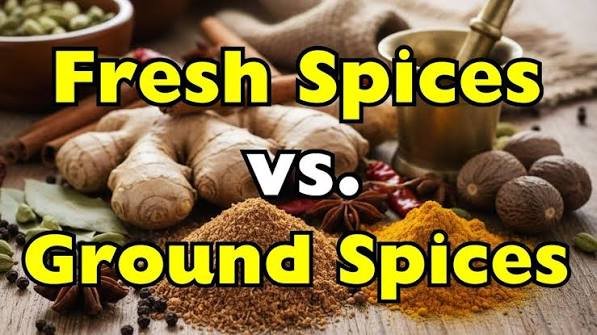
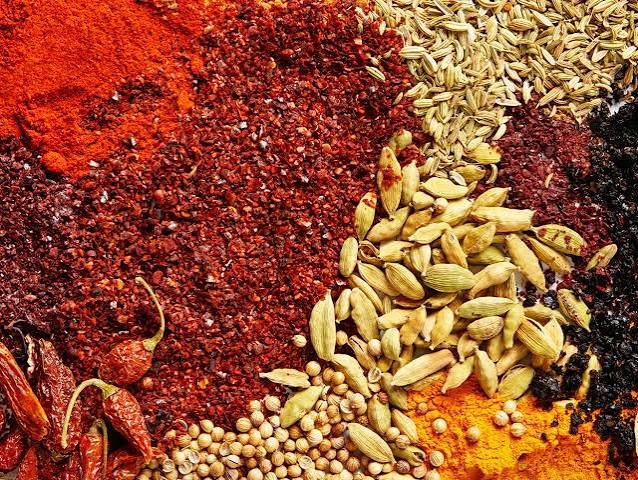
At their core, whole spices are raw, dried seeds, barks, berries, roots, or pods kept entirely in their natural, unbroken state. Think of black peppercorns, cinnamon sticks, or green cardamom pods. Ground spices, on the other hand, are whole spices crushed or milled down into fine or coarse powders like turmeric powder, chilli powder, or ready-made garam masala.
The fundamental difference between whole spices vs ground spices comes down to physical surface area and essential oil retention. When a spice is left whole, its outer protective hull acts as a natural seal, keeping aromatic volatile oils—like cinnamaldehyde in cinnamon or piperine in black pepper—safe from air, light, and ambient moisture.
Once a spice is pulverized into powder, its surface area expands exponentially. Exposure to oxygen immediately triggers oxidation, causing essential oils to evaporate rapidly. While ground spices give you instant flavor release without any prep, whole spices offer long-lasting potency and deep, complex layers of aroma when bloomed in hot oil (tadka) or freshly ground right before cooking.
2. Whole Spices vs Ground Spices: Comparison Table
To help you decide how to balance your pantry stock, here is a quick breakdown of how whole spices vs ground spices match up across key cooking factors:
| Feature / Criteria | Whole Spices (Sabut Masale) | Ground Spices (Pisa Masala) |
| Aroma & Flavor Profile | Intense, fresh, and layered; released when crushed, roasted, or bloomed in hot oil. | Quick, surface-level aroma; flavor intensity fades steadily over time. |
| Pantry Storage & Shelf Life | Exceptional longevity; retains peak potency for 2 to 4 years. | Shorter shelf life; loses potency rapidly after 6 to 12 months. |
| Convenience & Speed | Requires extra prep (toasting, pestle-crushing, or grinding). | Maximum convenience; ready to sprinkle directly into gravies and marinades. |
| Primary Culinary Uses | Tempered oil (tadka), biryanis, slow-cooked gravies, broths, and chai. | Quick stir-fries, dry rubs, smooth curry bases, and uniform spice mixes. |
| Cost & Value Over Time | Highly economical; minimal flavor loss means less waste per meal. | Higher long-term cost due to frequent replacement of stale powders. |
3. Which Spices Are Worth Buying Whole?
While stocking both varieties makes cooking flexible, certain spices suffer a dramatic drop in flavor once pre-ground. When weighing whole spices vs ground spices, the following pantry staples deliver maximum value when bought in their natural, unbroken form:
Whole Spices to Keep in Your PantryCumin (Jeera) ──► Essential for crisp tempering & fresh roasted powder
Coriander (Dhania) ──► Citrusy essential oils lost quickly in pre- ground form
Black Pepper ──► Piperine evaporates fast; fresh-crushed gives sharp heat
Cardamom (Elaichi) ──► Pods lock in delicate floral terpenes inside the shell
Cinnamon (Dalchini)──► Whole bark preserves sweet, aromatic oil reserves
- Cumin Seeds (Jeera): Whole cumin seeds form the backbone of Indian tempering (tadka). Toasting whole seeds releases earthy, nutty essential oils that pre-ground cumin powder simply cannot match. Plus, you can easily roast and grind whole jeera at home to make fresh bhuna jeera powder for raita and chaat.
- Coriander Seeds (Dhania): Whole coriander seeds contain light, citrusy notes that evaporate almost immediately after grinding. Coarsely crushing whole coriander seeds into curries or dry roasts adds incredible aroma and rustic texture.
- Black Peppercorns (Kali Mirch): Pre-ground black pepper powder often tastes like dusty wood because piperine—the compound giving pepper its sharp bite—evaporates rapidly upon air exposure. A quick turn of a pepper mill or a push in a mortar and pestle delivers infinitely superior heat and aroma.
- Green & Black Cardamom (Elaichi): Cardamom seeds lose their floral, camphor-like fragrance within weeks if exposed without their protective outer husk. Buying whole pods allows you to crush them open right when brewing chai, boiling rice, or preparing desserts.
- Cinnamon Bark (Dalchini): Whole cinnamon quills retain their sweet, spicy essential oils for years. Dropping a small bark stick into hot oil or simmering curry creates a deep, rounded flavor base that store-bought powder cannot match.
4. When Ready-Ground Spices Make Sense
You do not need to grind every single spice from scratch to cook delicious food! In the whole spices vs ground spices equation, convenience plays a legitimate role in home kitchens. Pre-ground spices make complete sense for high-volume, quick-cooking needs and hard-to-grind ingredients:
- Turmeric Powder (Haldi): Whole raw turmeric roots are rock-hard and can easily damage standard domestic mixer-grinder blades. High-quality pre-ground organic turmeric powder is far more practical, blending seamlessly into dals, curries, and warm milk without gritty residue.
- Red Chilli Powder (Lal Mirch): Achieving a fine, uniform red chilli powder for rich gravy colors requires heavy-duty milling. Buying pure, organic chilli powder saves time while ensuring smooth heat distribution throughout your dish.
- Specialty Blended Masalas: Complex spice blends—such as Pav Bhaji Masala, Chole Masala, or Sambar Powder—require precisely balanced ratios of 10 to 15 different spices. Unless you make large batches regularly, relying on fresh pre-ground organic blends offers consistent taste without clogging your spice rack with rarely used whole ingredients.
5. How to Identify Stale or Poorly Stored Spices
Whether you inspect whole spices vs ground spices, using stale ingredients dulls your food. Here is how to quickly audit your spice drawer:
- Perform the Rub-and-Sniff Test: Pinch a small amount of ground powder or crush a whole seed between your thumb and forefinger. If the released scent is faint, dusty, or non-existent, the essential oils have oxidized, and the spice needs replacement.
- Inspect the Color Intensity: Fresh ground spices possess vibrant colors—bright golden turmeric, deep crimson chilli, and rich brown cumin. Faded or greyish tones mean the spice has suffered light breakdown and flavor degradation.
- Check for Clumping and Hard Lumps: When examining whole spices vs ground spices, ground powders should flow freely. Hard, caked lumps indicate moisture penetration, increasing the risk of invisible mold growth.
- Look for Webbing or Small Holes: Infrequently used whole seeds stored in warm corners can occasionally attract pantry pests. Inspect whole spices for tiny holes or fine silk-like webbing inside containers.
6. How to Store Spices in Humid Indian Weather
Indian summers and monsoon months bring high humidity that can spoil both whole spices and ground powders rapidly. Proper spice preservation requires insulating your ingredients from air, light, heat, and moisture.
- Switch to Airtight Glass Jars: Ditch porous plastic pouches or open packets. Non-reactive, airtight glass or heavy stainless steel containers keep ambient moisture out and lock volatile aroma inside.
- Keep Away from Stovetops: Storing spices directly above or next to your cooktop exposes them to heat and steam every time you cook, accelerating flavor loss by up to 40%. Store your spice containers inside a cool, dark kitchen cabinet instead.
- Never Scoop with Wet Spoons: Introducing even a single drop of water from a damp spoon creates clumps and invites mold growth inside ground spice jars. Always use a clean, dry spoon.
- Refrigerate Delicate Powders During Monsoons: High-moisture powders—like raw coriander powder or commercial garam masalas—stay fresh longer when stored in airtight containers inside the refrigerator during sticky monsoon months.
7. Frequently Asked Questions
Do whole spices last longer?
Yes, whole spices last significantly longer than ground spices. Because their protective outer hull keeps aromatic essential oils sealed inside, whole spices maintain peak potency for 2 to 4 years. Ground spices lose a substantial amount of their flavor and potency within 6 to 12 months due to continuous exposure to air and light.
Should spices be refrigerated?
Most whole spices store perfectly at room temperature when kept in airtight glass jars inside a cool, dark cupboard. However, during humid Indian monsoon seasons, refrigerating delicate ground powders like coriander powder, red chilli powder, or specialty masalas prevents clumping, color fading, and oil rancidity. Always ensure containers are sealed tightly before refrigerating to keep out moisture.
Does grinding spices at home improve flavour?
Absolutely! Grinding whole spices right before adding them to your dish releases their volatile essential oils instantly, delivering 3 to 5 times stronger aroma and much deeper flavor than pre-ground powders that have sat on store shelves for months. Small electric spice grinders or a classic mortar and pestle make home grinding quick and effortless.
See Also
- Fresh Spices vs. Ground Spices: Which One Is Actually Better?
- Indian Spice Board – Organic Spices
- Should you consider using whole spices instead of preground ones?
- Organic Turmeric Powder Buying Guide: How to Choose Pure Haldi in India
- The Organic Pantry Essentials Checklist: Build Your Clean-Eating Foundation
- How to Buy Organic Groceries Without Plastic in India