
Nuts and seeds are nutritious, versatile pantry staples that can add flavour, texture and nourishment to everyday meals. However, buying good-quality almonds, walnuts, cashews, peanuts, flaxseeds or chia seeds is only half the job. Storing them incorrectly can cause them to lose their freshness, develop unpleasant flavours or become vulnerable to moisture and mould. So, How to Store Nuts and Seeds ?
The good news is that a few simple storage habits can help preserve their quality for longer, reduce food waste and make your organic pantry more practical.
How should you store nuts and seeds to keep them fresh?
Store nuts and seeds in clean, dry, airtight containers away from heat, light and moisture. Small quantities used frequently can be kept in a cool pantry, while larger supplies and nuts with higher unsaturated fat content generally benefit from refrigeration or freezing. Always check for unusual odours, dampness or visible mould before use.

1. Why Do Nuts and Seeds Lose Their Freshness?
Nuts and seeds contain natural oils that contribute to their flavour, texture and nutritional value. These oils can deteriorate over time, particularly when exposed to unfavourable storage conditions.
Understanding what causes this deterioration will help you choose the right storage method.
Oxidation: Why nuts and seeds turn rancid
Many nuts and seeds contain unsaturated fats that react with oxygen through a process called oxidation. This can gradually change their flavour and aroma, producing an unpleasant, bitter or stale taste.
Walnuts, flaxseeds and other foods rich in unsaturated fats can be particularly sensitive to oxidation. Chopping or grinding them exposes more surface area to air, which can accelerate quality loss.
What you can do: Store nuts and seeds whole whenever practical, seal containers promptly after use and grind only the quantity you need.
Heat and sunlight
Heat can accelerate the chemical reactions responsible for rancidity. Leaving nuts and seeds beside a gas stove, in direct sunlight or in a warm kitchen cupboard may cause them to lose their quality more quickly.
This is especially relevant in Indian households, where kitchen temperatures can rise considerably during summer.
What you can do: Choose a cool, shaded cupboard away from cooking appliances. Refrigerate or freeze supplies that you will not consume soon.
Moisture and humidity
Nuts and seeds are generally stored dry. When moisture enters a container, it can encourage mould growth and affect texture and flavour.
A container that is repeatedly opened with wet hands or a damp spoon can introduce moisture even if the food was initially dry.
What you can do: Ensure your storage containers are completely dry before filling them. Use clean, dry utensils and avoid storing nuts and seeds near sinks or other damp areas.
Rancidity versus staleness: What is the difference?
Staleness generally refers to a loss of desirable flavour or texture. Rancidity occurs when fats deteriorate and produce unpleasant flavours or odours.
Both can make nuts and seeds less enjoyable to eat. Mould, however, is a separate concern: it can indicate spoilage and may pose a health risk.
Do not assume that a product is safe simply because it looks normal. When nuts or seeds have an unusual smell, suspicious appearance or signs of moisture damage, discard them rather than trying to mask the problem by roasting or seasoning them.
2. Where Should You Store Different Nuts and Seeds?
There is no single storage method that is ideal for every nut and seed. The right choice depends on the food, how frequently you use it, the temperature of your home and how long you intend to keep it.
Pantry vs refrigerator vs freezer
| Storage location | Best suited for | Key considerations |
|---|---|---|
| Cool, dry pantry | Small quantities used regularly | Keep away from heat, sunlight and humidity. |
| Refrigerator | Nuts and seeds you want to preserve for longer | Use airtight packaging to prevent moisture and odour absorption. |
| Freezer | Larger supplies or long-term storage | Divide into usable portions and seal well to limit air exposure. |
For Indian households, refrigeration is often a practical choice during hot or humid weather. Freezing can be useful when buying nuts and seeds in bulk, particularly if you do not plan to use them for several months.
How to store almonds
Almonds can be stored in a sealed container in a cool, dry cupboard if you expect to use them relatively soon. For longer storage, refrigeration or freezing can help preserve their flavour and quality.
If you purchase almonds in bulk, divide them into smaller portions. Keep one portion for everyday use and leave the remainder sealed in the refrigerator or freezer.
How to store walnuts
Walnuts contain substantial amounts of polyunsaturated fat, making them susceptible to oxidation.
For this reason, refrigerating or freezing shelled walnuts is a sensible option, particularly in warm climates. If possible, buy them whole rather than chopped, and break them into smaller pieces shortly before eating or cooking.
How to store cashews
Cashews should be kept in a clean, dry, airtight container away from heat and sunlight. Although their fat composition differs from that of walnuts, they can still develop rancid flavours under unsuitable storage conditions.
If you buy a large packet, refrigerate or freeze the portion you will not use soon.
How to store peanuts
Peanuts should be stored in dry, sealed packaging in a cool location. Shelled peanuts generally benefit from refrigeration or freezing when you need to preserve them for longer.
Discard peanuts that show signs of mould or have an unusual odour. Do not assume that roasting makes mouldy peanuts safe to eat.
How to store flaxseeds
Whole flaxseeds generally keep their quality longer than ground flaxseeds because grinding exposes more of their oils to oxygen.
Keep whole flaxseeds in an airtight container in a cool, dry place. Refrigerate or freeze them for longer storage, especially in warm weather.
Once ground, flaxseeds should be stored in a sealed container in the refrigerator or freezer and used according to the product’s storage instructions.
How to store chia seeds
Chia seeds should be stored in a dry, airtight container away from direct sunlight and moisture.
Whole, dry chia seeds can be kept in a cool pantry for regular use. Refrigeration or freezing can be considered for longer storage, provided the container remains sealed and condensation is avoided.
Do not confuse dry chia seeds with chia pudding or soaked chia seeds. Once mixed with water or another liquid, they require refrigeration and should be handled as a prepared food.
How to store sesame seeds
Sesame seeds contain natural oils that can deteriorate with prolonged exposure to heat and air. Store them in a tightly sealed container in a cool, dark place.
For larger quantities or extended storage, refrigeration or freezing can help maintain quality. Allow sealed containers to come to room temperature before opening after refrigeration or freezing, where condensation could otherwise introduce moisture.
3. What Are the Best Containers for Storing Nuts and Seeds?
Choosing the right container is just as important as choosing the right storage location.
Airtight glass jars
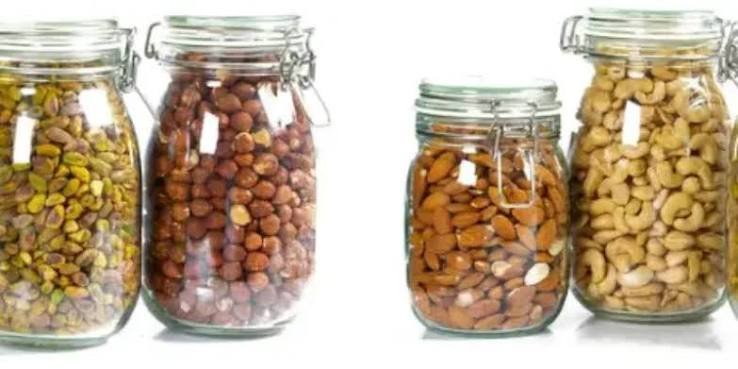
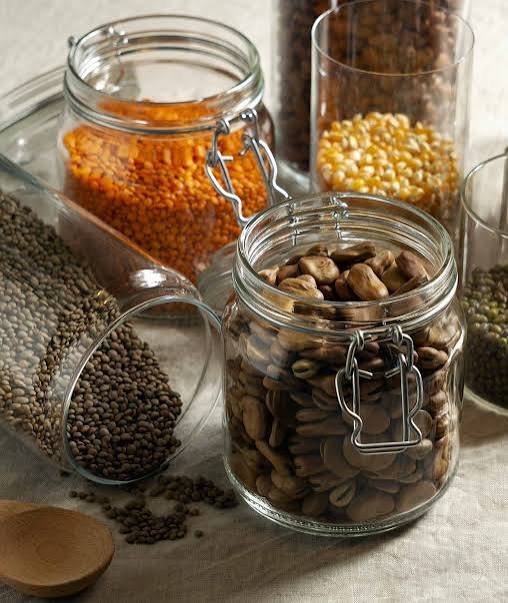
Glass jars with well-fitting lids are a useful option for everyday pantry storage. They are easy to clean, do not readily absorb food odours and allow you to see how much remains.
However, transparent glass does not protect food from light. Store these jars inside a dark cupboard rather than on a sunny countertop.
Food-safe airtight containers
Food-grade plastic containers with secure lids are another practical choice. They are lightweight, easy to handle and convenient for storing larger quantities.
Check that containers are clean, completely dry and free from lingering odours before use.
Resealable freezer bags
Resealable bags designed for freezer use can help reduce the amount of air surrounding nuts and seeds. Remove excess air before sealing, label the contents and date, and avoid repeatedly opening the same large bag.
For long-term storage, divide the contents into smaller portions so you only expose what you need.
Why moisture control matters
Regardless of the container you choose, it should be completely dry before you add nuts or seeds.
Avoid putting freshly washed but still damp nuts into a storage jar. If you rinse nuts or seeds as part of a preparation process, dry them thoroughly before storing them as a pantry ingredient. Products that have been soaked or otherwise moistened need different handling and should not be returned to dry pantry storage without appropriate drying.
A simple rule: Use clean containers, seal them properly and keep moisture out.
4. How to Store Opened Packets and Bulk Purchases
Buying in bulk can be economical, but only when the food remains fresh enough to use. A simple portioning system helps prevent repeated exposure to air, heat and humidity.
Follow these steps when bringing home nuts and seeds:
- Check the packaging. Look for damage, dampness, unusual odours or visible mould. Check the manufacturer’s storage instructions and best-before date.
- Keep the original label. If you transfer the contents into another container, record the product name and date of opening.
- Divide large quantities. Put the amount you expect to use regularly in a small container. Keep the remaining quantity sealed for longer storage.
- Choose the right location. Use a cool, dry cupboard for short-term supplies, or refrigerate or freeze larger quantities as appropriate.
- Use clean, dry utensils. Avoid reaching into containers with wet hands or leaving lids open for extended periods.
- Rotate your supplies. Use older, good-quality stock before newly purchased stock, while respecting the product’s storage instructions and condition.
Should you wash nuts and seeds before storing them?
For dry pantry storage, washing is generally unnecessary and can introduce moisture that encourages deterioration. Follow the product’s instructions and wash ingredients when appropriate for the way you intend to prepare them.
If you do wash nuts or seeds, do not return them to a dry storage container while damp. Soaked nuts and seeds should be treated as prepared food, refrigerated promptly and consumed within an appropriate period rather than kept on the shelf.
How long do stored nuts and seeds last?
There is no universal shelf-life figure for all nuts and seeds. Their condition at purchase, whether they are whole or ground, the packaging, temperature and moisture exposure all influence how long they retain good quality.
Refrigeration and freezing can extend the period during which properly stored nuts retain acceptable quality, sometimes for a year or longer. However, this is not a guarantee for every product.
Use the manufacturer’s guidance as your starting point, and assess the food’s condition before use.
5. How Can You Tell If Nuts or Seeds Have Spoiled?
Inspect nuts and seeds regularly, especially when you store them for extended periods or buy them in bulk.
Watch for the following warning signs:
- Unusual smell: A sharp, paint-like, bitter or otherwise unpleasant odour may indicate rancidity.
- Unexpected taste: A distinctly bitter, stale or unpleasant flavour can be a sign of deteriorating oils. Do not taste food that shows visible mould or other suspicious signs.
- Visible mould: Fuzzy growth, suspicious patches or other signs of mould mean the product should be discarded.
- Unexpected moisture: Dampness, clumping or a change in texture may indicate that moisture has entered the container.
- Insects or damaged packaging: Infestation or compromised packaging can affect product quality and hygiene.
A change in colour or texture does not always mean that food has spoiled, since some variation is natural. However, when there are multiple warning signs or you are uncertain about the condition of the product, the safest choice is to discard it.
Can you rescue rancid nuts by roasting them?
Roasting may improve the flavour of some fresh nuts, but it does not reliably reverse rancidity or make spoiled food safe. Adding spices, salt or sweeteners can also disguise unpleasant flavours without addressing the underlying problem.
If nuts or seeds smell rancid or show signs of mould, discard them instead of attempting to restore them.
6. Frequently Asked Questions
Should nuts be refrigerated in India?
Refrigeration is a practical choice for nuts in many Indian households, especially during hot and humid weather. Almonds, walnuts, cashews and peanuts can benefit from being stored in sealed containers in the refrigerator when they will not be consumed soon. For larger quantities intended for long-term storage, freezing is another option.
Can you freeze nuts and seeds?
Yes. Properly dried nuts and seeds can generally be frozen to help preserve their quality for longer. Divide them into small portions, use airtight freezer-safe packaging, remove excess air and label the packages. When taking a portion out, allow the sealed container to warm toward room temperature before opening it to minimise condensation.
How can you tell if nuts have turned rancid?
Rancid nuts may have a sharp, stale, bitter or paint-like smell and an unpleasant flavour. These changes occur as the natural fats deteriorate. If you suspect rancidity, do not try to hide the flavour through roasting or seasoning; discard the product.
Is it better to store nuts in glass jars or plastic containers?
Both can work if they are food-safe, clean, completely dry and airtight. Glass jars are convenient for everyday pantry use, while food-grade plastic containers and freezer bags can be useful for refrigeration and freezing. Regardless of the material, protect the contents from heat, light and moisture.
Should nuts and seeds be stored in the original packet?
You can keep them in their original packaging if it reseals securely and is suitable for the recommended storage conditions. If the packet cannot be closed properly, transfer the contents to an airtight container or sealed storage bag. Retain the product label or record the relevant storage information.
Do organic nuts and seeds need special storage?
Organic nuts and seeds require the same basic protection from oxygen, heat, light and moisture as conventional products. Organic certification concerns production and handling standards; it does not automatically make a product immune to rancidity or mould. Follow the package instructions and store both types carefully.
Conclusion: Make Freshness Part of Your Organic Pantry Routine
Learning how to store nuts and seeds properly is a small but valuable step towards reducing food waste and getting more out of your everyday groceries. Choose clean, dry, airtight containers, protect your supplies from heat and moisture, and use refrigeration or freezing when appropriate.
Most importantly, buy quantities you can reasonably use, keep track of when packets are opened, and inspect your supplies before eating them. These straightforward habits can help preserve flavour, maintain quality and make your pantry easier to manage.
At OrganicFood-Market.com, we believe informed food choices begin with understanding not just what we buy, but also how we store, prepare and use it.
See Also
- University of California, Davis, Postharvest Research and Extension Center — How do I store nuts so that they don’t go rancid?
- University of Illinois Extension — Nuts need food safety too
- U.S. Food and Drug Administration — Are You Storing Food Safely?
- How to Store Organic Leafy Vegetables in the Fridge for Longer
- How to Store Organic Grains Without Insects: Indian Kitchen Storage Guide
- Natural Pesticide Removal Methods: How to Clean Your Fruits and Veggies Safely