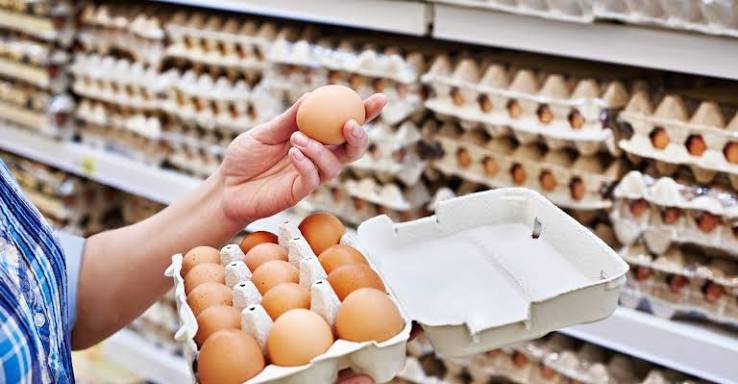

If you’ve walked down the grocery aisle of a supermarket in Mumbai, Bengaluru, or Delhi recently—or browsed online grocery apps—you’ve likely been overwhelmed by the options in the egg section. Gone are the days when buying eggs meant simply choosing between a 6-pack or a 12-pack of basic white eggs.
Today, cartons are stamped with enticing buzzwords: Organic, Free-Range, Cage-Free, Pasture-Raised, Omega-3 Enriched, and Desi.
With premium prices reaching anywhere from ₹120 to ₹300 for a box of six, Indian consumers are left asking crucial questions: What do these labels actually mean in India? Are organic eggs truly healthier than free-range ones? Is the steep price tag justified by animal welfare and superior nutrition?
In this comprehensive guide, we unpack the reality behind organic eggs vs free-range eggs India, decode cage-free claims, explain FSSAI regulations, bust common yolk myths, and help you choose the best eggs for your family’s health and budget.
1. Quick Answer: What Each Egg Label Describes (Featured Snippet)
If you are looking for a quick summary before diving deep into feed standards and regulations, here is how each egg label translates in the Indian market:
- Organic Eggs: Laid by hens fed a 100% certified organic, chemical-free diet without synthetic pesticides, chemical fertilizers, hormones, or prophylactic antibiotics. The hens have outdoor pasture access and living space that meets official organic certification standards (such as Jaivik Bharat / NPOP in India).
- Free-Range Eggs: Produced by hens that spend significant daytime hours roaming outdoors on open land, foraging on native grasses, seeds, and insects, while retiring to safe shelters at night. Their diet includes natural forage supplemented with grain feed.
- Cage-Free Eggs: Laid by hens housed inside open sheds, barns, or multi-tier aviary systems rather than tiny wire battery cages. While they can walk, stretch, and lay eggs in nesting boxes, cage-free hens usually do not have access to the outdoors.
- Conventional (Battery Cage) Eggs: Produced by hens confined to small wire cages (battery cages) with minimal floor space per bird. They receive standard commercial feed formulated for maximum yield.
2. What Organic Eggs Mean in the Indian Context
When you purchase certified organic eggs, you are paying primarily for what went into the bird and how the environment was treated.
The Strict Standards for Organic Poultry Farming
For an egg to earn a legitimate organic label in India, the entire farming ecosystem must abide by clean, chemical-free protocols governed by national standards:
- Synthetic Chemical-Free Feed: The hens’ feed must consist of grains, corn, and soy grown without synthetic chemical fertilizers, toxic pesticides, or genetically modified organisms (GMOs).
- Zero Antibiotics and Growth Hormones: Commercial poultry farms often mix routine antibiotics into feed to prevent disease and boost growth. Organic certification strictly prohibits prophylactic antibiotics and synthetic growth promoters. If a hen falls sick and requires antibiotics, her eggs cannot be sold as organic during treatment and withdrawal periods.
- Mandatory Outdoor Access: True organic standards require hens to have access to unpolluted outdoor pastures where they can express natural behaviors like dust-bathing, scratching, and perching.
- Organic Certification Verification: In India, authentic organic products carry the official Jaivik Bharat logo along with certification details under NPOP (National Programme for Organic Production) or PGS-India (Participatory Guarantee System).
Key Takeaway: Buying organic eggs guarantees that no synthetic chemical residues, heavy pesticides, or sub-therapeutic antibiotics enter your food chain through poultry feed.
3. What Free-Range Eggs Mean for Animal Welfare and Nutrition
The free-range label focuses heavily on the living conditions and natural behaviors of the laying hens.
Sunlight, Exercise, and Foraging
In a genuine free-range setup, hens are not confined indoors all day. They enjoy daytime liberty in open fields or orchards:
- Natural Diet Diversification: As free-range hens roam outdoors, they supplement their feed by pecking at grass, wild seeds, herbs, worms, and insects. This natural foraging introduces diverse carotenoids, trace minerals, and natural fats into their diet.
- Lower Stress Levels: Free-range hens experience less stress, direct sunlight exposure (promoting natural Vitamin D synthesis), and room to exercise.
- Nutritional Impact: Studies consistently show that eggs from foraging hens exposed to natural sunlight contain higher levels of Vitamin D3, elevated Omega-3 fatty acids, and increased Vitamin A and E content compared to standard battery-cage eggs.
However, keep in mind: “Free-range” does not automatically mean “Organic.” Unless specified, free-range hens may still be fed standard non-organic poultry feed when indoors.
4. What Cage-Free Means: A Step Forward from Battery Cages
There is widespread confusion surrounding cage-free vs free-range eggs. Many shoppers assume cage-free means hens are happy outdoors on a green farm.
Understanding Cage-Free Systems
“Cage-free” simply means the birds are not kept in individual battery cages.
- The Indoor Life: Cage-free hens live inside large barn houses, sheds, or indoor aviary systems. They can move around, perch, spread their wings, and lay eggs in nesting boxes.
- No Sunlight or Pasture: Cage-free hens typically do not have outdoor access. They spend 100% of their life indoors under artificial or natural barn lighting.
- Commercial Feed Reliance: Their diet consists entirely of grain feed supplied in troughs inside the barn.
While cage-free farming is a significant improvement in animal welfare compared to crowded battery cages, it does not offer the outdoor freedom, sunshine, or natural foraging diet seen in free-range systems.
5. Three-Column Comparison Table: Organic vs Free-Range vs Cage-Free Eggs
To simplify organic eggs vs free-range eggs India comparisons, here is a breakdown across key purchasing criteria:
| Feature / Criteria | Organic Eggs | Free-Range Eggs | Cage-Free Eggs |
| Outdoor Pasture Access | Mandatory (Clean pasture access required) | Mandatory (Roam freely outdoors during daylight) | None (100% indoor barn living) |
| Feed & Diet Source | 100% Certified Organic feed (No GMOs, no chemical sprays) + outdoor forage | Standard commercial grain feed + natural outdoor forage (insects, grass) | 100% Commercial grain/soy indoor feed |
| Antibiotic & Hormone Rules | Strictly prohibited for preventative use | Allowed under veterinary guidelines | Allowed under veterinary guidelines |
| Animal Welfare Level | Very High (High space allowances & outdoor access) | High (Natural foraging & daylight movement) | Moderate (No battery cages, but indoor confinement) |
| Nutritional Profile | Chemical-free; rich in Healthy Fats & Micronutrients | High in Vitamin D3, Omega-3s, & Carotenoids | Standard commercial egg profile (unless enriched) |
| Indian Certification | Jaivik Bharat / NPOP / PGS-India logo required | Brand-declared / Farm audit verification | Brand-declared / Animal welfare partner audits |
| Price Point in India | Highest (₹25 – ₹40 per egg) | High (₹18 – ₹35 per egg) | Mid-tier (₹12 – ₹20 per egg) |
6. Feed Standards and Outdoor Access: Deep Dive into Hen Health
What a chicken eats directly governs the biochemical composition of the egg you eat at breakfast.
+------------------------------------------------------------------------+
|                          HEN'S DIET & ENVIRONMENT                      |
+------------------------------------------------------------------------+
|                                                                        |
|  [ Organic Feed + Sun + Forage ]  --->  Rich in Omega-3, Vit D, & A    |
|                                         Zero Chemical Residues         |
|                                                                        |
|  [ Standard Feed + Outdoor Range ]--->  High Vit D3 & Natural Yolk     |
|                                         Varied Micro-nutrients         |
|                                                                        |
|  [ Standard Feed + Barn Living ]  --->  Standard Egg Composition       |
|                                         Controlled Nutrients           |
+------------------------------------------------------------------------+
The Micronutrient Shift
- Vitamin D Synthesis: When chickens spend hours in natural sunlight, their skin synthesizes Vitamin D3, which transfers into the egg yolk. Free-range and organic pasture eggs can contain up to 3 to 4 times more Vitamin D than caged eggs kept indoors under artificial lights.
- Fat Quality: Foraging on plants rich in alpha-linolenic acid (ALA) shifts the fatty acid ratio inside the yolk, resulting in a favorable Omega-6 to Omega-3 ratio.
- Chemical Bioaccumulation: Standard poultry feeds may carry traces of synthetic pesticides or heavy metal residues used in commercial farming. Certified organic feed breaks this chain.
7. What Indian Regulations Define—and What Remains Unclear
Understanding organic egg labels India requires knowing the regulatory landscape governed by the Food Safety and Standards Authority of India (FSSAI).
FSSAI and Organic Mandates
- The Jaivik Bharat Logo: FSSAI mandates that any brand selling eggs labeled as “Organic” in India must be certified through NPOP or PGS-India and display the green Jaivik Bharat logo alongside a traceability license number.
- Cage-Free Mandates in Progress: Animal welfare organizations and the Law Commission of India have repeatedly advocated for phasing out battery cages. While state animal husbandry departments encourage cage-free systems, compliance varies by region.
The Gray Areas in Labeling
- “Desi” vs “Free-Range”: In local Indian markets, native backyard poultry varieties (like Kadaknath, Aseel, or indigenous country chickens) are traditionally called Desi eggs. While traditionally free-roaming, commercial “Desi” labels on supermarket shelves don’t always guarantee open-pasture conditions or organic feed.
- Uncertified Free-Range Claims: Unlike the word “Organic,” terms like “Free-Range,” “Pasture-Raised,” or “Farm Fresh” do not currently require a dedicated FSSAI badge in India. Buyers must rely on brand transparency, farm audits, or direct farm sourcing.
8. Myth-Versus-Fact: Common Misconceptions About Eggs in India
Let’s clear up the confusion surrounding popular egg myths in Indian households.
🛑 Myth vs. Fact Box
Myth 1: Brown eggs are inherently more nutritious and organic than white eggs.
Fact: Shell color is determined purely by the breed of the hen! Brown-feathered hens (like Rhode Island Reds) lay brown eggs, while white-feathered hens (like Leghorns) lay white eggs. Shell color has zero correlation with organic status, feed quality, or nutritional value.
Myth 2: A dark orange yolk always proves an egg is organic or free-range.
Fact: Yolk color reflects pigments called carotenoids in the hen’s feed. While free-range hens get natural pigments from green plants and insects, commercial farms can easily darken yolks by adding synthetic marigold extracts or paprika to standard feeds. Yolk color alone does not guarantee an organic feed.
Myth 3: “Desi” eggs are automatically certified organic eggs.
Fact: “Desi” refers to indigenous Indian chicken breeds. While traditional village poultry roams freely, modern commercial setups also breed native birds in indoor farms using standard feed. Always look for the Jaivik Bharat logo for true organic verification.
Myth 4: Raw or soft-boiled organic eggs carry no risk of Salmonella.
Fact: Salmonella can exist in any poultry environment if hygiene is compromised. Proper refrigeration and thorough cooking remain essential safety practices regardless of whether eggs are cage-free, free-range, or organic.
9. Does Dark Yolk Colour Mean Better Nutrition?
In Indian homes, a deep golden-orange yolk is widely considered a badge of superior health and purity. But what does the science actually say?
The Chemistry of Yolk Pigmentation
- Xanthophylls & Carotenoids: The color of an egg yolk ranges from pale yellow to deep orange depending on the hen’s intake of xanthophylls (plant pigments).
- Natural Sources: Free-range hens that eat grass, marigold petals, yellow corn, and bugs naturally produce rich, golden-orange yolks packed with lutein and zeaxanthin—two powerful antioxidants that support eye health.
- Commercial Enhancements: Large industrial farms can manipulate yolk shade using natural or synthetic feed additives. Therefore, while a deep yolk can indicate a rich outdoor diet, it isn’t foolproof proof of organic farming without proper certification.
10. How to Check Egg Freshness at Home: Quick DIY Tests
Whether you buy organic, free-range, or standard eggs, freshness is key to taste, cooking performance, and safety.
1. The Water Float Test
Fill a deep glass or bowl with cold water and gently drop the egg in:
- Sinks to the bottom and lies flat: Fresh.
- Stands upright on one end at the bottom: Slightly older, but safe to eat (cook soon).
- Floats to the top: Old and stale. (As an egg ages, its internal air pocket expands, causing it to float. Discard floating eggs).
  +--------------------------------------------------------------+
  |                      THE WATER FLOAT TEST                    |
  +--------------------------------------------------------------+
  |                                                              |
  |     |  o  |           |     |           | \  / |             |
  |     | ( ) |           |    ( )          |  \/  | (Floats)    |
  |     |_____|           |_____|           |______|             |
  |      FRESH             OLDER             STALE               |
  |   (Sinks flat)    (Stands on end)      (Discard)             |
  +--------------------------------------------------------------+
2. The Plate & Yolk Sniff Test
Crack the egg onto a flat plate:
- Fresh Egg: The yolk sits high, round, and firm in the center. The thick white (albumen) remains tight around the yolk and doesn’t spread thin.
- Stale Egg: The yolk breaks easily, and the egg white is watery and spreads thinly across the plate.
11. Eight-Point Packet Checklist: What to Look for on an Egg Carton
To ensure you get what you pay for when shopping for premium eggs in India, use this checklist before adding a carton to your cart:
  [1] Jaivik Bharat Logo  [2] NPOP License No.  [3] FSSAI License No.
  [4] Pack & Expiry Date  [5] Shell Integrity   [6] Traceability Code
  [7] Storage Instructions [8] Clear Labeling (Organic vs Cage-Free)
- Official Jaivik Bharat Seal: Look for the green butterfly/leaf organic logo issued by FSSAI on the front or back of the box.
- NPOP / PGS Certification Details: Verify the name of the accredited certifying body or the farm’s registration number printed near the logo.
- FSSAI License Number: Ensure a valid 14-digit FSSAI license number is listed for the packer or producer.
- Packaging and Expiry Dates: Always verify the packing date and “Best Before” window (typically 18 to 30 days under refrigeration).
- Shell Condition & Cleanliness: Open the box to check that shells are clean, crack-free, and unsoiled. Cracks allow harmful bacterial entry.
- Farm Traceability QR Code: Premium organic brands often include a QR code linking to farm location data, testing reports, or batch details.
- Refrigeration Guidance: Check if the package specifies cold-chain storage recommendations (maintaining temperatures below 4°C to 8°C).
- Explicit Welfare Declarations: Ensure the label explicitly states “100% Organic & Free-Range” rather than vague marketing terms like “Pure & Healthy” or “All Natural.”
12. Which Eggs Offer the Best Value for Indian Consumers?
Choosing between organic, free-range, and cage-free eggs comes down to balancing your personal values, health priorities, and grocery budget.
Strategic Recommendations:
- Choose Certified Organic Eggs If: You want maximum protection against pesticide residues, synthetic hormones, and preventative antibiotics, and prefer strictly audited environmental farming.
- Choose Free-Range Eggs If: You prioritize animal welfare, outdoor freedom, and enhanced natural nutrient profiles (like higher Vitamin D3 and Omega-3s) at a slightly lower price point than full organic certification.
- Choose Cage-Free Eggs If: You want a budget-friendly option that rejects cruel battery cages without paying the top-tier pricing of organic pasture eggs.
- Budget Strategy: If daily organic egg consumption exceeds your monthly budget, consider buying free-range or cage-free eggs for daily cooking, and reserve certified organic eggs for younger children or family members with specific dietary needs.
13. Frequently Asked Questions (FAQs)
Q1. What is the main difference between organic eggs vs free-range eggs in India?
The main difference lies in feed certification and regulatory audits. Organic eggs require hens to be fed 100% certified chemical-free, non-GMO organic feed and raised without antibiotics under FSSAI’s Jaivik Bharat framework. Free-range eggs focus on outdoor pasture access and natural foraging, but their indoor feed supplement may not always be organically certified.
Q2. Are cage-free vs free-range eggs the same thing?
No. Cage-free hens live inside open indoor barns or sheds where they can walk around, but they do not have outdoor pasture access. Free-range hens spend daylight hours outdoors in open fields foraging naturally.
Q3. Why are organic eggs significantly more expensive in Indian supermarkets?
Organic eggs cost more due to higher production expenses: certified organic non-GMO feeds are expensive, organic certifications incur auditing fees, and pasture-based farming requires more land and labor per bird.
Q4. Are brown eggs always healthier than white eggs?
No. Shell color depends strictly on the breed of the chicken and has no impact on nutritional quality, taste, or organic status. Nutrient levels are determined by the hen’s diet and living conditions, not her feather or shell color.
Q5. How long do fresh organic eggs last in Indian climatic conditions?
In India’s warm climate, fresh eggs stored at room temperature last about 7 to 10 days. When kept in the refrigerator at 4°C, they retain peak quality for 30 to 45 days.
Final Thoughts
Understanding organic eggs vs free-range eggs India empowers you to make conscious, health-focused choices for your household. Whether you prioritize zero chemical feed residues, humane treatment of laying hens, or maximal nutrient density, reading package labels carefully ensures your food choices align with your dietary goals.
Next time you shop on organicfood-market.com or at your local supermarket, look past the front-of-pack marketing claims. Check for the Jaivik Bharat certification mark, confirm farm practices, and enjoy clean, nutrient-dense eggs that fuel your healthy lifestyle!
See Also
- Cage-free, free range, organic: what all those egg labels really mean
- Organic Egg vs Normal Egg – Difference Between an Organic egg and Regular Egg Explained
- Jaivik Bharat Logo Meaning: How Indian Shoppers Can Identify Real Organic Food
- Organic Milk vs A2 Milk: What Is the Real Difference?
- The Ultimate Guide to A2 Cow Ghee Benefits: Reclaim Your Family’s Health Heritage
- The Definitive Guide to Organic Food Labels: What Do They Actually Mean?