
Organic food is everywhere today. We see organic dal, organic atta, organic ghee, organic spices, organic jaggery, organic tea, organic rice, organic oil, and even organic snacks in supermarkets and online stores. But one question remains: how do we know whether a product is genuinely organic or just using fancy packaging?
That is where understanding the Jaivik Bharat logo meaning becomes important.
For Indian shoppers, the Jaivik Bharat logo is not just another green symbol on a packet. It is the official organic logo associated with FSSAI’s organic food framework. When you are paying extra for organic food, you should know what this logo means, how to spot it, and what other details to check before trusting a packet.
In this simple guide, let us understand the Jaivik Bharat logo meaning, the difference between Jaivik Bharat, India Organic and PGS-India, and how to avoid misleading claims like “natural”, “farm fresh” and “chemical-free”.
What Is the Jaivik Bharat Logo?
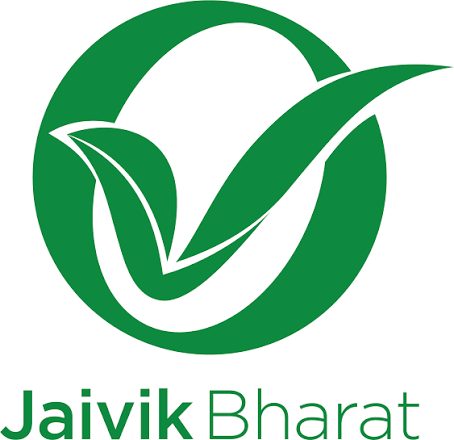
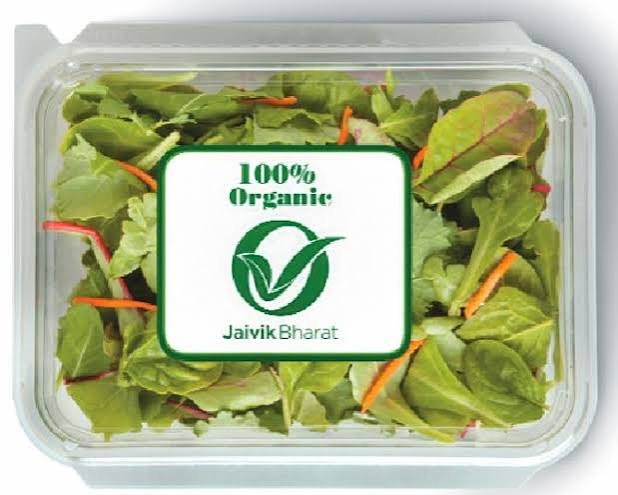
The simplest Jaivik Bharat logo meaning is this: it is the FSSAI organic logo used to help shoppers identify organic food products in India.
The logo usually appears in green and carries the words “Jaivik Bharat”. The word “Jaivik” means organic or biological, and “Bharat” refers to India. So, in simple language, Jaivik Bharat means organic food from India.
The logo has been designed to communicate that the product follows recognised organic food standards. It helps shoppers separate certified organic products from ordinary products that may only be using organic-style words for marketing.
Think of it like this: if a packet of organic dal or organic atta claims to be organic, the Jaivik Bharat logo helps you check whether the claim has some regulatory backing.
Why Was the Jaivik Bharat Logo Created?
The Indian organic market has grown very fast. More people now want safer food, fewer chemicals, better ingredients, and more transparent sourcing. But as demand increased, confusion also increased.
A customer may see five packets of rice on a shelf. One says “organic rice”, another says “natural rice”, another says “chemical-free rice”, another says “farm fresh rice”, and another says “traditional rice”. All of them look healthy. But are all of them certified organic? Not necessarily.
This is why the Jaivik Bharat logo meaning matters. It gives shoppers a more reliable way to identify products that are actually part of India’s organic food certification system.
The logo was created to bring more clarity to organic food labels in India. Instead of making customers guess, the logo gives them a visible marker to look for.
Jaivik Bharat Logo Meaning in Simple Words
Here is the Jaivik Bharat logo meaning in everyday language:
If a packaged food product carries the Jaivik Bharat logo, it is being presented as an organic food product under India’s organic food regulations.
But remember one important point: do not check only the logo. You should also check the FSSAI license number and the relevant organic certification mark, such as India Organic or PGS-India, depending on how the product has been certified.
So, the logo is important, but it is part of a bigger checklist.
Jaivik Bharat, India Organic and PGS-India: What Is the Difference?
Many shoppers get confused because organic food packets may carry more than one logo. Let us break it down simply.
1. Jaivik Bharat Logo
The Jaivik Bharat logo meaning is linked to FSSAI’s organic food identity mark. It helps consumers identify organic food products in India. It is the logo Indian shoppers should look for on organic food packaging along with the FSSAI logo and license number.
2. India Organic Logo
The India Organic logo is linked with NPOP, which stands for National Programme for Organic Production. NPOP is implemented by APEDA under the Ministry of Commerce and Industry. You will often see the India Organic logo on certified organic food products, especially those that are part of the formal certification system and export-linked organic supply chain.
If you are buying organic rice, organic pulses, organic tea, organic spices, organic coffee, or organic processed food, the India Organic logo may appear along with Jaivik Bharat.
3. PGS-India Organic Logo
PGS-India stands for Participatory Guarantee System of India. This system is more local and community-based. It involves farmer groups and local stakeholders in the organic guarantee process.
You may see the PGS-India Organic logo on products certified under this system. It is common in local organic farmer networks, farmer markets, direct farmer groups, and smaller supply chains.
Quick Difference Table
| Logo | What It Means | Where You May See It |
|---|---|---|
| Jaivik Bharat | FSSAI organic logo for organic food identity | Packaged organic food in India |
| India Organic | NPOP-certified organic product | Certified brands, exports, packaged organic goods |
| PGS-India Organic | Participatory organic guarantee system | Farmer groups, local organic markets, domestic supply chains |
The easy rule: when buying packaged organic food, check for the Jaivik Bharat logo, FSSAI license number, and either India Organic or PGS-India certification details, wherever applicable.
What Logos Should You Check Before Buying Organic Food?
Understanding the Jaivik Bharat logo meaning is the first step. The next step is to know what to actually check on the packet.
Before buying organic food in India, look for:
- Jaivik Bharat logo
- FSSAI logo and license number
- India Organic logo or PGS-India Organic logo
- Name of certifying body, where mentioned
- Batch number, manufacturing date, expiry date and brand details
This is especially important when buying daily staples like organic dal, organic atta, organic rice, organic oil, organic ghee, organic spices, organic jaggery and organic tea.
How to Check Organic Dal Before Buying
Organic dal is one of the most common organic products Indian families buy first. But dal is also an item where packaging can be misleading.
Before buying organic dal, check the Jaivik Bharat logo, FSSAI license number, certification logo, manufacturing date and packaging quality. Also check whether the dal is polished or unpolished. Many families prefer unpolished dal because it feels closer to traditional pantry staples.
Do not trust a dal packet only because it says “farm fresh” or “natural”. These words sound good, but they are not the same as certified organic.
How to Check Organic Atta Before Buying
Organic atta is another common household purchase. Since roti is eaten daily in many Indian homes, people are willing to pay extra for better quality wheat flour.
When buying organic atta, check the Jaivik Bharat logo, certification mark and FSSAI license number. Also read whether it is whole wheat atta, stone-ground atta, multigrain atta or fortified atta.
A packet may say “chakki fresh” or “traditional stone-ground”, but that does not automatically mean it is organic. The Jaivik Bharat logo meaning becomes useful here because it tells you to look beyond attractive words.
How to Check Organic Oil Before Buying
Organic oils, especially cold-pressed oils, are very popular now. You may find organic mustard oil, organic groundnut oil, organic coconut oil, organic sesame oil and organic sunflower oil.
But here is the catch: cold-pressed does not automatically mean organic. A cold-pressed oil can be made from non-organic seeds. Similarly, organic oil should come from organically grown produce and follow organic certification requirements.
So, if the bottle says “cold-pressed organic mustard oil”, check both claims separately. Look for the organic logos and also read the processing details.
How to Check Organic Spices Before Buying
Spices are used in small quantities, but they matter a lot in Indian cooking. Haldi, mirchi, dhania powder, jeera, ajwain, black pepper, elaichi and garam masala are kitchen basics.
For organic spices, check the Jaivik Bharat logo, FSSAI number and certification details. Also check whether the spice is single-origin, lab-tested or free from artificial colour. Be extra careful with very bright turmeric or red chilli powder, because colour can sometimes be used to influence buying decisions.
Organic spice packets should be properly sealed and should mention clear manufacturing and expiry dates.
How to Check Organic Ghee Before Buying
Organic ghee is often expensive, so it is important to read the label carefully. Many ghee brands use words like “desi”, “bilona”, “A2”, “grass-fed”, “vedic” and “traditional”. These words may describe the method or source, but they are not always the same as organic certification.
If a brand calls its product organic ghee, check the Jaivik Bharat logo and certification details. If it says A2 ghee, that is a different claim. If it says bilona ghee, that is about the churning method. If it says organic ghee, that should be backed by organic certification.
This is where knowing the Jaivik Bharat logo meaning can save you from paying premium prices for vague claims.
Can “Natural” Food Be Called Organic?
No, “natural” and “organic” are not the same thing.
A product can be natural but not certified organic. For example, jaggery may be called natural because it is less processed than refined sugar. But unless it follows organic standards and carries proper certification details, it should not be treated as certified organic jaggery.
Similarly, “farm fresh”, “pure”, “handmade”, “traditional”, “chemical-free”, “healthy”, “eco-friendly” and “sustainable” are not automatically equal to organic.
These words may be part of branding. Organic is a regulated claim.
Can “Chemical-Free” Food Be Called Organic?
This is one of the biggest confusions in Indian grocery shopping.
Many brands use the phrase “chemical-free” because it sounds simple and attractive. But as a shopper, you should be careful. A product that says chemical-free is not automatically certified organic.
Certified organic food must follow recognised organic production and certification standards. So, before believing any claim, check the label properly.
The Jaivik Bharat logo meaning is important here because it helps you separate certified organic products from general wellness marketing.
Common Misleading Organic Claims in India
Here are some common claims that can confuse shoppers:
“100% Natural”
Sounds good, but it does not mean certified organic.
“Farm Fresh”
This may only mean the product is sourced from a farm. It does not prove organic certification.
“Chemical-Free”
This is a popular phrase, but you still need to check certification.
“Pesticide-Free”
This sounds close to organic, but organic certification involves broader standards, not just one claim.
“Traditional”
Traditional food can be wonderful, but traditional does not automatically mean organic.
“Healthy”
Healthy is a broad marketing word. It does not prove that the product is organic.
“Pure”
Pure is another vague word unless the brand explains what it means and backs it with certification.
Whenever you see these words, slow down and read the full label.
Simple 5-Point Checklist Before Buying Organic Food in India
Here is an easy checklist you can use in a supermarket, kirana store or online grocery app.
1. Check the Jaivik Bharat Logo
Start with the Jaivik Bharat logo. This is the first visual clue. Knowing the Jaivik Bharat logo meaning helps you understand why this logo matters.
2. Check the FSSAI License Number
A packaged food product should display an FSSAI logo and license number. Do not ignore this small detail.
3. Check India Organic or PGS-India Logo
Depending on the certification system, the product may carry India Organic or PGS-India Organic logo. These logos tell you more about the certification route.
4. Read the Ingredient List
For multi-ingredient products like organic masala mixes, organic snacks, organic breakfast cereals or organic cookies, read the ingredient list carefully. Check what percentage of the ingredients are organic, if mentioned.
5. Be Careful With Big Claims
Do not get carried away by words like “pure”, “natural”, “farm fresh”, “healthy” or “chemical-free”. Look for proof, not just promises.
Online Organic Shopping: Extra Tips
Buying organic food online is convenient, but you cannot physically inspect the packet before purchase. So, check product images carefully.
Zoom in and look for:
- Jaivik Bharat logo
- FSSAI license number
- India Organic or PGS-India logo
- Manufacturing and expiry dates
- Brand name and seller details
- Clear ingredient list
- Customer reviews mentioning freshness and packaging
If the product photos do not show the back label, be cautious. A trustworthy organic brand should not hide label information.
Is Organic Food Always Healthier?
Organic food is mainly about how the food is grown, handled and certified. It does not automatically mean the product is low-calorie, sugar-free, fat-free or suitable for every diet.
For example, organic jaggery is still jaggery. Organic ghee is still ghee. Organic cookies are still cookies. Organic namkeen is still namkeen.
So, buy organic for better sourcing and farming practices, but still read the nutrition label like a smart shopper.
Why Indian Shoppers Should Learn Organic Labels
Organic food is usually more expensive than regular food. If you are spending extra, you deserve clarity. Learning the Jaivik Bharat logo meaning helps you shop better, avoid fake claims and choose genuine certified organic products.
This is especially useful for families buying organic staples every month, such as:
- Organic dal
- Organic atta
- Organic rice
- Organic spices
- Organic cooking oil
- Organic ghee
- Organic jaggery
- Organic tea
- Organic millets
You do not have to become a certification expert. You only need a simple label-reading habit.
Final Thoughts: Shop Smart, Not Scared
The organic food market in India is growing, and that is a good thing. More farmers, brands and consumers are talking about soil health, better ingredients and responsible food systems.
But more popularity also means more confusion. That is why understanding the Jaivik Bharat logo meaning is so useful.
Next time you pick up a packet of organic dal, atta, rice, oil, spices or ghee, do not buy only because the packaging looks green and healthy. Turn the packet around. Check the Jaivik Bharat logo. Look for the FSSAI license number. Check India Organic or PGS-India certification details. Read the ingredient list.
A smart organic shopper is not someone who buys the most expensive product. A smart organic shopper is someone who knows how to read the label.
FAQs on Jaivik Bharat Logo Meaning
1. What is the Jaivik Bharat logo meaning?
The Jaivik Bharat logo meaning is simple: it is the FSSAI organic logo that helps identify organic food products in India. It is used to distinguish organic food from non-organic food.
2. Is Jaivik Bharat the same as India Organic?
No. Jaivik Bharat is the FSSAI organic logo, while India Organic is linked with NPOP certification. Many certified products may carry both logos depending on their certification route.
3. What is PGS-India Organic?
PGS-India Organic is a participatory organic guarantee system. It is more local and community-based, involving farmer groups and stakeholders in the certification process.
4. Should I check only the Jaivik Bharat logo?
No. You should also check the FSSAI license number and India Organic or PGS-India logo, wherever applicable. A good shopper checks the full label, not just one symbol.
5. Can a product marked “natural” be organic?
Not necessarily. “Natural” is not the same as certified organic. Always check certification logos and label details.
6. Can chemical-free food be called organic?
Only if it meets organic certification standards. A “chemical-free” claim alone does not prove that the product is certified organic.
7. Which foods should I check most carefully?
Check organic dal, atta, rice, spices, cooking oil, ghee, jaggery, tea, coffee and millet products carefully because these are common household staples and often sold at premium prices.
8. Is organic food always better?
Organic food can support better sourcing and farming practices, but it is not automatically low-calorie or suitable for every diet. Always read the nutrition label and ingredient list.
9. Where can I see the Jaivik Bharat logo on a packet?
You will usually find it on the front or back label of certified organic packaged food. Also check the FSSAI license number and other certification details nearby.
10. What is the easiest way to identify real organic food in India?
The easiest way is to follow this checklist: Jaivik Bharat logo, FSSAI license number, India Organic or PGS-India logo, clear ingredient list, and no vague unsupported claims.
See Also
What is the Jaivik Bharat ? | FSSAI | Who can apply for this Logo?
The Definitive Guide to Organic Food Labels: What Do They Actually Mean?