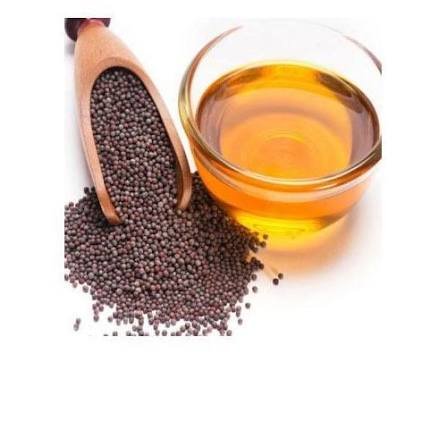

Imagine the irresistible aroma of a sizzling sarson da saag tempering in a heavy iron kadhai, or the iconic, pungent kick of a classic Bengali shorshe ilish. If there is one ingredient that sits at the absolute heart and soul of traditional Indian kitchens, it is mustard oil. Known for its distinct golden hue, fiery aroma, and signature tear-inducing pungency, mustard oil is not just a cooking medium—it is an emotion across North, East, and Northeast India.
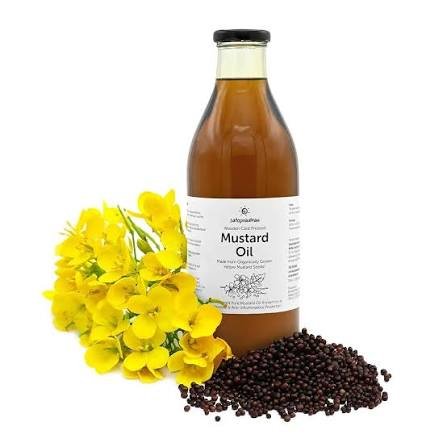
However, when you walk into a grocery store or browse organicfood-market.com, choosing the right bottle can leave your head spinning. The oil aisle is packed with terms like kachi ghani, cold pressed, filtered, unrefined, and expeller pressed. You might find yourself staring at two golden bottles asking the ultimate culinary question: cold pressed mustard oil vs filtered mustard oil—which one is actually better for authentic Indian cooking?
If you have ever wondered whether filtered oil loses its natural goodness or whether cold pressed oil is worth the extra rupees, you have landed in the right place. In this detailed guide, we will break down the extraction processes, compare flavor profiles, explore regional cooking applications, and help you select the ultimate mustard oil for your daily family meals.
Why Mustard Oil is Central to Traditional Indian Cooking
Before diving into cold pressed mustard oil vs filtered mustard oil, let’s celebrate why mustard oil (sarson ka tel) has been revered in Indian homes for centuries.
Across regions like Bengal, Bihar, Odisha, Punjab, Assam, and Uttar Pradesh, cooking without mustard oil is virtually unthinkable. But why do Indian grandmothers (dadis and nanis) swear by it?
1. The Pungent Ally: Allyl Isothiocyanate (AITC)
The characteristic sharp aroma and heat of mustard oil come from a natural compound called allyl isothiocyanate (AITC). Activated when seeds are crushed with water, AITC gives that signature “nose-clearing” punch that elevates dishes like aloo chokha, pakhala bhata, and fish curries to a whole new level.
2. High Smoke Point for Deep Frying and Tadka
Indian cooking involves high-heat techniques—searing fish, tempering spices (tadka), deep frying puris, and slow-roasting gravies. Natural mustard oil has a high smoke point of around 250°C (480°F), making it exceptionally stable under intense heat without breaking down into toxic free radicals.
3. Natural Preservative for Pickles (Achar)
No Indian pickle can survive without mustard oil. Its potent antimicrobial and antifungal properties act as a natural shield, preventing spoilage and keeping your aam ka achar and mirchi ka achar fresh for years.
4. Optimal Heart-Healthy Fat Profile
Mustard oil boasts an ideal ratio of Omega-3 to Omega-6 fatty acids, along with high levels of Monounsaturated Fatty Acids (MUFA) and Polyunsaturated Fatty Acids (PUFA). It supports heart wellness, lowers bad cholesterol (LDL), and aids digestion.
When weighing cold pressed mustard oil vs filtered mustard oil, keeping these foundational health benefits in mind will guide your decision.
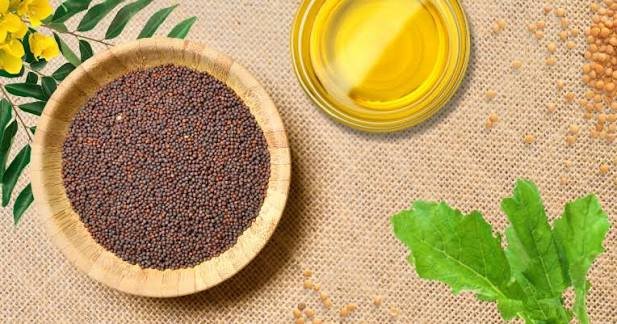
What is Cold Pressed Mustard Oil? (The Authentic Kachi Ghani)
To analyze cold pressed mustard oil vs filtered mustard oil, we must first look at how each oil is extracted from raw black, brown, or yellow mustard seeds.
Cold pressed mustard oil—traditionally known in India as Kachi Ghani—is extracted using low-speed mechanical pressure without applying external heat or chemical solvents.
The Kachi Ghani Extraction Process:
- Traditional Wooden or Stone Kolhus: Raw, high-quality mustard seeds are poured into a wooden press (ghani or kolhu) driven slowly by mechanical power.
- Low-Temperature Processing: Because the press rotates at a very slow speed, friction is kept to a minimum. The temperature during extraction never exceeds 40°C to 45°C.
- 100% Solvent-Free: The oil trickles out naturally, retaining all its natural antioxidants, vitamins (especially Vitamin E), essential fatty acids, and natural enzymes.
- Natural Sedimentation: The oil is allowed to settle naturally in tanks, where heavy seed particles sink to the bottom. It is then lightly strained through a fine cloth before bottle filling.
Because no heat or bleaching agents are used, cold pressed oil maintains its raw golden-amber color, intensely sharp aroma, and thick, viscous texture. This traditional method is a prime consideration when evaluating cold pressed mustard oil vs filtered mustard oil.
What is Filtered Mustard Oil? (Cleaned Natural Goodness)
Now let’s examine the second contender in our cold pressed mustard oil vs filtered mustard oil debate: filtered mustard oil.
Filtered mustard oil is also extracted mechanically from mustard seeds, but it often uses high-capacity mechanical screw expellers. The extracted oil then undergoes a physical filtration process to remove micro-impurities, seed coats, and cloudiness.
The Extraction and Filtration Process:
- Expeller Extraction: Seeds are crushed in modern expeller machines. Because these machines work faster to extract maximum oil yield, minor heat is generated due to mechanical friction (often reaching 50°C to 65°C).
- Multi-Stage Physical Filtration: The raw oil is passed through a series of cotton cloth filters, paper press filters, or centrifugal filters.
- Removal of Micro-Particulate Matter: Filtration removes remaining seed debris, wax, and micro-particles, giving the oil a sparkling clear, translucent golden appearance.
- No Chemical Refining: Crucially, true filtered mustard oil is NOT refined. It undergoes no chemical neutralization, bleaching, or deodorization.
Understanding this distinction helps clarify the debate surrounding cold pressed mustard oil vs filtered mustard oil.
Difference Between Filtered, Refined, Kachi Ghani, and Cold Pressed
To make smart grocery choices on organicfood-market.com, you need to understand where every oil type fits on the spectrum. Many shoppers get confused between cold pressed mustard oil vs filtered mustard oil and chemically refined oils. Here is the ultimate comparative breakdown:
| Parameter | Cold Pressed Mustard Oil (Kachi Ghani) | Filtered Mustard Oil | Refined Mustard Oil |
| Extraction Temp | Under 45°C (Low friction heat) | 50°C – 65°C (Expeller heat) | Exceeds 200°C (High heat) |
| Chemical Usage | 100% Chemical & Solvent-Free | 100% Chemical & Solvent-Free | Uses Hexane, Bleach, Lye |
| Pungency & Aroma | Extremely Strong & Fiery | Moderate to Strong | Odorless & Bland |
| Nutrient Retention | 100% Intact (Vitamin E, MUFA, AITC) | ~85–90% Intact | Heavily Depleted |
| Viscosity & Color | Deep Amber, Thick, Viscous | Clear Golden, Translucent | Light Yellow, Watery |
| Best Culinary Role | Raw dressings, Pickles, Tadka, Curries | Everyday Frying, Sautéing, Gravies | Not Recommended for Health |
This side-by-side comparison clearly highlights the key differences in the cold pressed mustard oil vs filtered mustard oil dilemma.
Taste and Pungency Comparison: Unrefined Kachi Ghani vs Filtered
If you ask any Indian home chef about cold pressed mustard oil vs filtered mustard oil, the conversation instantly turns to jhanch—that intoxicating, nose-tingling pungency.
The Cold Pressed Flavor Profile
Cold pressed mustard oil delivers an uninhibited, raw, and robust flavor.
- The First Sniff: Opening a bottle of cold pressed oil releases an intense, spicy aroma that immediately tickles your nostrils.
- The Taste: It has a sharp, slightly bitter, peppery kick that coats the palate. When drizzled raw over boiled potatoes (aloo chokha) or mixed into jhalmuri, it delivers an undeniable punch that defines authentic street food and rustic home cooking.
The Filtered Flavor Profile
Filtered mustard oil offers a smoother, slightly more subdued pungency.
- The First Sniff: Warm, nutty, and distinctly mustardy, but without the eye-watering sharpness of cold pressed oil.
- The Taste: Because fine seed sediments and some volatile compounds are filtered out, the oil tastes cleaner and lighter. It allows subtle spices in complex gravies to shine without completely overpowering delicate ingredients.
If pungency is your top priority in cold pressed mustard oil vs filtered mustard oil, cold pressed wins for intensity, while filtered wins for culinary balance.
Best Culinary Uses: Regional Cooking Guide (Bengali, Bihari, Punjabi, Odia, Assamese)
India’s rich culinary landscape uses mustard oil in diverse ways. Depending on whether you are making a delicate fish curry or a robust meat gravy, choosing between cold pressed mustard oil vs filtered mustard oil can transform your dish.
1. Bengali Cuisine (Rannaghar Favorites)
Bengali cooking is incomplete without shorsher tel.
- Cold Pressed Best Choice: Essential for raw preparations like Jhalmuri, Aloo Makha, and raw fish marinades. The raw pungency elevates Shorshe Ilish and Chingri Bhapa.
- Filtered Best Choice: Great for everyday vegetable Chorchori, Lau Ghonto, and fish frying (Maach Bhaja) where you want clean, light oil that cooks evenly.
2. Bihari & Jharkhand Cuisine
Bihari food celebrates rustic, fire-roasted flavors.
- Cold Pressed Best Choice: Non-negotiable for Litti Chokha! Drizzling cold pressed mustard oil directly into roasted eggplant/tomato chokha and sattu filling gives that iconic rustic bite.
- Filtered Best Choice: Ideal for deep frying Sattu Parathas, making Ahuna Mutton in clay pots, and frying Bari-Kadhi.
3. Punjabi & North Indian Cuisine
North Indian cooking relies heavily on slow-roasted bhuna masalas and clay-oven flavors.
- Cold Pressed Best Choice: Vital for tempering Sarson ka Saag, smoking raw oil for Tandoori Chicken marinades, and preparing traditional mango pickles (Aam ka Achar).
- Filtered Best Choice: Perfect for daily Dal Tadka, Rajma, Chole, and deep-frying crispy Pakoras or Puris.
4. Odia Cuisine
From coastal seafood to temple-style offerings, Odisha embraces mustard oil fully.
- Cold Pressed Best Choice: Crucial for Pakhala Bhata side dishes (Badi Chura, Machha Bhaja), and raw mustard paste curries like Besara.
- Filtered Best Choice: Excellent for daily sautéing of leafy greens (Saga Bhaja) and Santula.
5. Assamese & Northeastern Cuisine
Northeastern cooking highlights herbal, steamed, and fermented flavors.
- Cold Pressed Best Choice: Drizzled over mashed pitika (Aloo Pitika, Khorika roasted meats) and raw fish salads.
- Filtered Best Choice: Ideal for light duck or fish gravies cooked with bamboo shoots or tenga (sour greens).
Matching your regional recipes with either option in cold pressed mustard oil vs filtered mustard oil ensures authentic flavor every time.
Health & Nutritional Benefits: Unrefined Mustard Oil Comparison
When evaluating cold pressed mustard oil vs filtered mustard oil for family health, both options beat refined oils by a landslide. However, cold pressed oil holds a slight edge due to zero heat processing.
1. Maximum Antioxidant Retention
Cold pressed oil retains 100% of its naturally occurring Vitamin E (tocopherol), carotenoids, and natural phytosterols. These antioxidants fight oxidative stress, protect skin cells, and boost immunity.
2. Natural Glucosinolates and Antimicrobial Power
Because cold pressing operates at low temperatures, volatile glucosinolates remain intact. These organic compounds possess natural antibacterial, antifungal, and anti-inflammatory properties that support gut health.
3. Balanced Fatty Acid Matrix
Both cold pressed and filtered mustard oils maintain a healthy ratio of Monounsaturated Fatty Acids (MUFA ~60%) and Polyunsaturated Fatty Acids (PUFA ~21%). Replacing saturated fats with unrefined mustard oil helps maintain healthy cholesterol levels and supports cardiovascular health.
Health-conscious shoppers weighing cold pressed mustard oil vs filtered mustard oil will find both options highly nutritious compared to processed alternatives.
How to Identify Good Quality Mustard Oil (Savvy Buyer’s Checklist)
With so many adulterated oils in the market, buying pure mustard oil requires a keen eye. Whether shopping online at organicfood-market.com or at your local store, use this savvy shopper checklist when deciding on cold pressed mustard oil vs filtered mustard oil:
1. Check the Label Terminology
- Look for explicit mentions of “100% Cold Pressed”, “Kachi Ghani”, or “Unrefined Filtered”.
- Avoid bottles that say “Blended Vegetable Oil”, “Refined Mustard Oil”, or “Solvent Extracted”.
2. The Pungency & Aroma Test
True mustard oil should give off a warm, sharp, clean aroma upon opening. If the oil smells flat, chemical, or greasy, it may be blended or chemically refined.
3. Viscosity and Color Check
- Cold Pressed: Deep golden-amber, thick, and slightly viscous.
- Filtered: Bright golden, clear, with zero chemical cloudiness.
4. Cold Test (Purity Verification)
Pour 50ml of mustard oil into a glass bowl and place it in the refrigerator for 2 hours. Pure mustard oil remains liquid. If you notice white solid fat settling at the bottom, the oil has been adulterated with cheap palm oil or argemone oil.
Following these steps ensures you always pick the winner in cold pressed mustard oil vs filtered mustard oil.
Packaging and Storage Tips for Maximum Freshness & Shelf Life
Even the finest cold pressed or filtered mustard oil can turn rancid if stored improperly. Protect your liquid gold with these practical kitchen storage rules:
1. Opt for Dark Glass Bottles or Stainless Steel
Light and oxygen are the biggest enemies of natural oils. Store your mustard oil in dark amber glass bottles or traditional stainless steel oil dispensers (oil cans). Avoid cheap plastic containers that leach harmful chemicals over time.
2. Keep Away from the Stove Top
While it’s convenient to keep your oil bottle right next to the hot gas stove, heat speeds up oxidation and degrades fresh flavor. Store your main container in a cool, dark kitchen cabinet away from direct sunlight and heat sources.
3. Seal the Cap Tightly
Allyl isothiocyanate (the compound that creates pungency) is highly volatile. Leaving the cap loose allows the signature aroma to evaporate, turning your fiery oil flat within weeks.
4. Shelf Life Awareness
- Cold Pressed Oil: Best consumed within 6 to 9 months of extraction.
- Filtered Oil: Best consumed within 9 to 12 months.
Proper storage preserves quality whether you choose cold pressed mustard oil vs filtered mustard oil.
Frequently Asked Questions (FAQs)
Q1: Is cold pressed mustard oil safe for daily high-heat Indian cooking?
Yes, absolutely! Cold pressed mustard oil has a high smoke point of approximately 250°C (480°F). It handles high-heat deep frying, searing, and tempering easily without smoking or breaking down into harmful compounds.
Q2: What is the main difference between Kachi Ghani and cold pressed mustard oil?
Kachi Ghani is simply the traditional Indian name for cold pressed oil. Both terms refer to oil extracted at low speeds and temperatures without heat or chemical solvents.
Q3: Why does cold pressed mustard oil cost more than filtered or refined oil?
Cold pressing uses wooden presses operating at slow speeds, yielding less oil per kilogram of seeds compared to high-heat commercial expellers. The use of premium mustard seeds, zero chemical fillers, and slower production makes it a high-value, artisanal product.
Q4: Should I smoke mustard oil before cooking food?
Traditionally, mustard oil is heated until it reaches its smoking point and emits a faint white smoke to tone down raw pungency for gravies. However, if you love authentic raw flavor (as in Bengali fish curries or Bihari chokha), you do not need to smoke it completely!
Q5: Can I mix cold pressed and filtered mustard oil in my kitchen?
Yes! Many Indian households keep cold pressed mustard oil for raw dressings, pickles, and special curries, while using filtered mustard oil for daily frying and mild vegetable stir-fries.
The Final Verdict: Cold Pressed Mustard Oil vs Filtered Mustard Oil
So, when comparing cold pressed mustard oil vs filtered mustard oil, which one deserves a permanent spot on your kitchen counter?
- Choose Cold Pressed Mustard Oil if: You crave raw, eye-watering pungency, make authentic pickles, love raw drizzling on chokha or jhalmuri, and want 100% unadulterated, low-temperature nutrient preservation.
- Choose Filtered Mustard Oil if: You want pure, chemical-free mustard oil with a cleaner appearance and a milder aroma that won’t overwhelm subtle everyday family gravies.
At organicfood-market.com, we believe in nourishing your family with pure, unadulterated kitchen staples. Explore our range of certified organic, stone-extracted cold pressed mustard oils and clean filtered oils today—and bring the authentic taste of traditional Indian heritage back to your dinner table!
See Also
Organic Turmeric Powder Buying Guide: How to Choose Pure Haldi in India
Organic Jaggery vs Regular Jaggery: How to Choose Better Gur for Your Indian Kitchen
Cold Pressed Mustard Oil vs Refined Oils in HIndi: Which Is Truly Heart-Healthy?
All About Cold Pressed Oils | How to Choose the Best Cooking Oil for your Kitchen