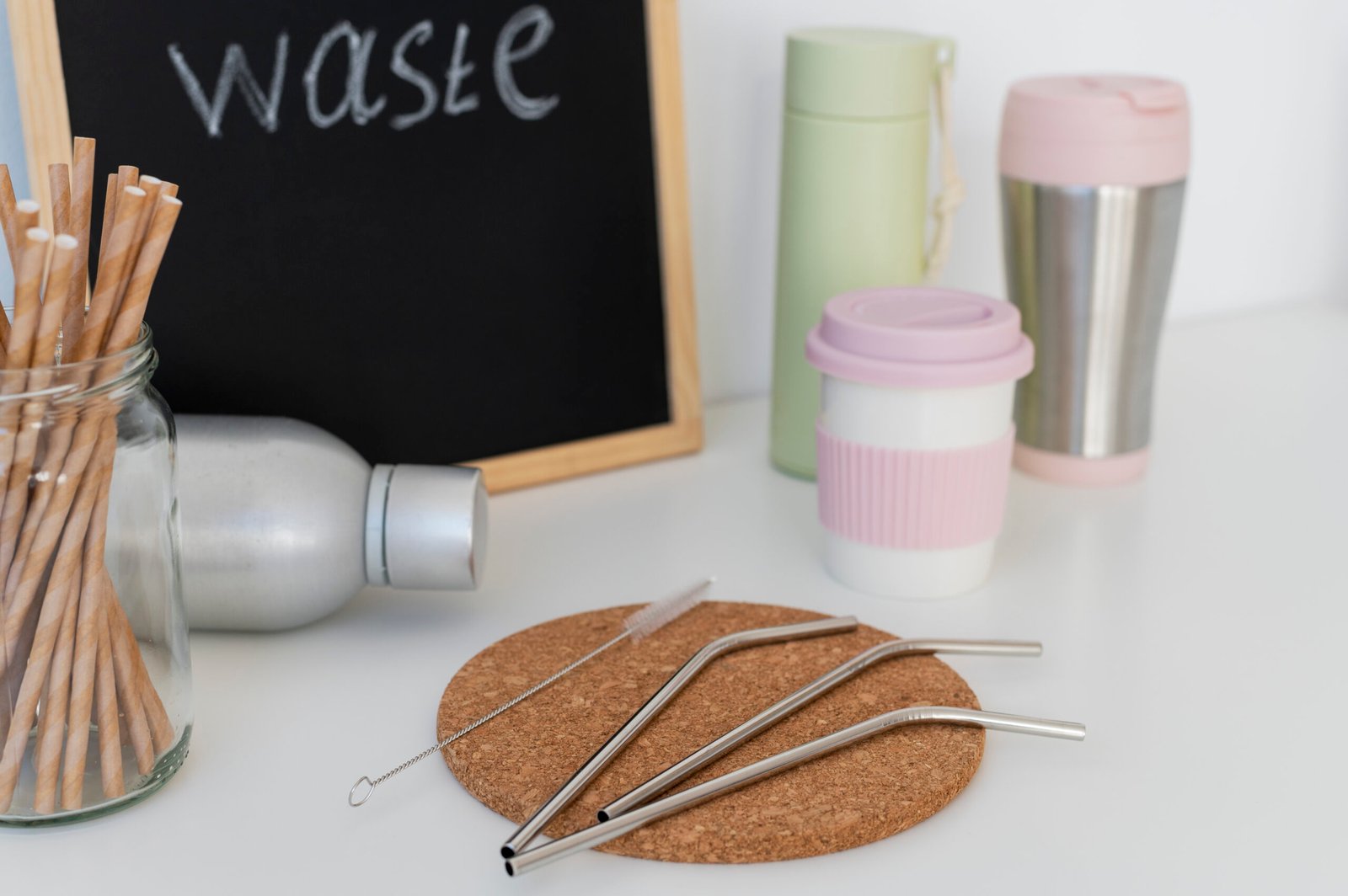

Take a walk into your kitchen right now, open up your grocery cabinet or your refrigerator, and take a good look around. What do you see? Do you see Plastic-Free Kitchen ?
Chances are, you are looking at a vast ocean of plastic. There are plastic takeaway containers saved from last weekend’s food delivery, faded plastic boxes bought in bulk sets from the local supermarket, and colorful plastic jars holding your daily spices, lentils, and atta.
For the last three decades, plastic has been the undisputed king of the modern Indian household. It’s incredibly cheap, virtually unbreakable, lightweight, and comes in every imaginable size and color. It made organizing our kitchens feel easy and affordable.
But over the last few years, a quiet realization has been sweeping across homes. We’ve started noticing how those plastic containers retain a stubborn, greasy film of oil no matter how many times we wash them with dish soap. We’ve noticed how they absorb the intense yellow stain of turmeric (haldi) and hold onto old food odors for weeks.
And deeper down, a much more serious question has started to worry us: What is this plastic doing to our family’s health?
Every single day, modern scientific research drops new, alarming data about toxic chemical leaching. We now know that plastic containers—especially when exposed to India’s hot summer temperatures, washed in hot water, or used to store warm, acidic foods like sambar or tomato curries—microscopically degrade. They slowly leach harmful compounds like Bisphenol-A (BPA), phthalates, and microplastics directly into the food we eat. These chemicals act as endocrine disruptors, quietly interfering with our hormones, gut health, and long-term metabolic well-being.
But here is the beautiful truth: you do not need to invent a brand-new solution to fix this. To build a genuinely plastic free kitchen storage system, all we need to do is look back at the incredible, time-tested wisdom of traditional Indian kitchens. Long before synthetic plastics took over the world, our grandparents ran completely zero-waste, highly organized, and exceptionally healthy kitchens using materials that lasted for generations.
Today, we are going to walk you through a practical, friendly, and step-by-step roadmap to declutter your kitchen, banish toxic plastic containers, and transition to a gorgeous, sustainable, and entirely non-toxic storage setup!
The Hidden Risk: Why “BPA-Free” Plastic is a Marketing Trap
Before we look at the alternatives, let’s clear up a major piece of misinformation that trips up thousands of health-conscious shoppers when they try to build a zero-waste kitchen lifestyle.
When the awareness around the dangers of plastic first went mainstream, the manufacturing industry responded by slapping bright green labels on their products reading “BPA-Free.” You’ve probably bought these yourself, thinking they were completely safe for your kids’ school lunches or your husband’s office tiffin.
                  THE "BPA-FREE" SUBSTITUTION TRAP
  ┌─────────────────────────────────────────────────────────────────┐
  │  WHY ALTERNATIVE PLASTICS ARE NOT THE SOLUTION                  │
  ├─────────────────────────────────────────────────────────────────┤
  │  • The Shift: Industry removes Bisphenol-A (BPA)                │
  │  • The Replacement: Swapped with Bisphenol-S (BPS) or BPF       │
  │  │                                                              │
  │  • The Reality: BPS and BPF mimic hormones identically to BPA   │
  │  • Environmental Factor: Still sheds microplastics under heat   │
  └─────────────────────────────────┬───────────────────────────────┘
                                    │
                                    ▼
                PERSISTENT TOXIC CHEMICAL LEACHING
               (True safety requires escaping plastic entirely)
Here is the industrial secret: when a company removes BPA, they don’t change the foundational nature of plastic. They simply substitute Bisphenol-A with sister chemicals called Bisphenol-S (BPS) or Bisphenol-F (BPF). There goes your Plastic-Free Kitchen dream !
Recent independent toxicological studies have revealed that BPS and BPF are just as biologically active and harmful as original BPA, mimicking estrogen in the human body and causing the exact same hormone-disrupting patterns.
Furthermore, all plastic polymers break down over time, shedding millions of invisible microplastics into your dry staples and wet leftovers alike. True, uncompromised safety doesn’t come from finding a “better” plastic—it comes from escaping plastic entirely and choosing noble, earth-born materials.
The Noble Materials: Your Ultimate Storage Superstars
Upgrading your home to an eco-friendly kitchen containers framework doesn’t mean buying expensive, imported designer organizational kits. It means choosing the classic, durable materials that have stood the test of time.
Let’s look at the exceptional materials that deserve a prominent place in your home:
1. The Undisputed King: Stainless Steel (Steel ke Dabbas)
Let’s celebrate the absolute backbone of the Indian kitchen. Our trusty stainless steel dabbas are completely non-reactive, infinitely durable, highly resistant to corrosion, and completely free of toxic chemicals.
- Best Used For: Bulk storage of flours (atta, maida), daily rice supplies, whole lentils, snack items like bhujia and khakhra, and everyday leftover curries in the fridge.
- The Pro-Tip: When shopping, look for heavy-gauge, food-grade 304 stainless steel (often labeled as 18/8 steel). It resists dents beautifully and can literally be passed down to your grandchildren.
2. The Transparent Beauties: High-Borosilicate Glass
The greatest psychological barrier to removing plastic is that you lose visibility—you can’t see what’s inside a steel box without opening it. This is where traditional Indian glass jars and modern borosilicate containers save the day.
- Best Used For: Spices, spice blends (masalas), seeds, nuts, premium tea leaves, specialty organic honeys, and homemade pickles (aachar).
- The Pro-Tip: Glass is 100% non-porous. It will never absorb odors or stains, making it perfect for switching between a pungent mustard-oil pickle and a delicate batch of cookies without any flavor cross-contamination.
3. The Therapeutic Classics: Clay, Brass, and Copper
If you want to introduce true ancestral luxury into your pantry, look toward our traditional metallic and earth-born assets.
- Best Used For: Storing whole spice seeds, dry red chillies, and salt blocks. Clay pots (matkas) remain unparalleled for keeping drinking water naturally cool while infusing it with health-boosting alkaline minerals.
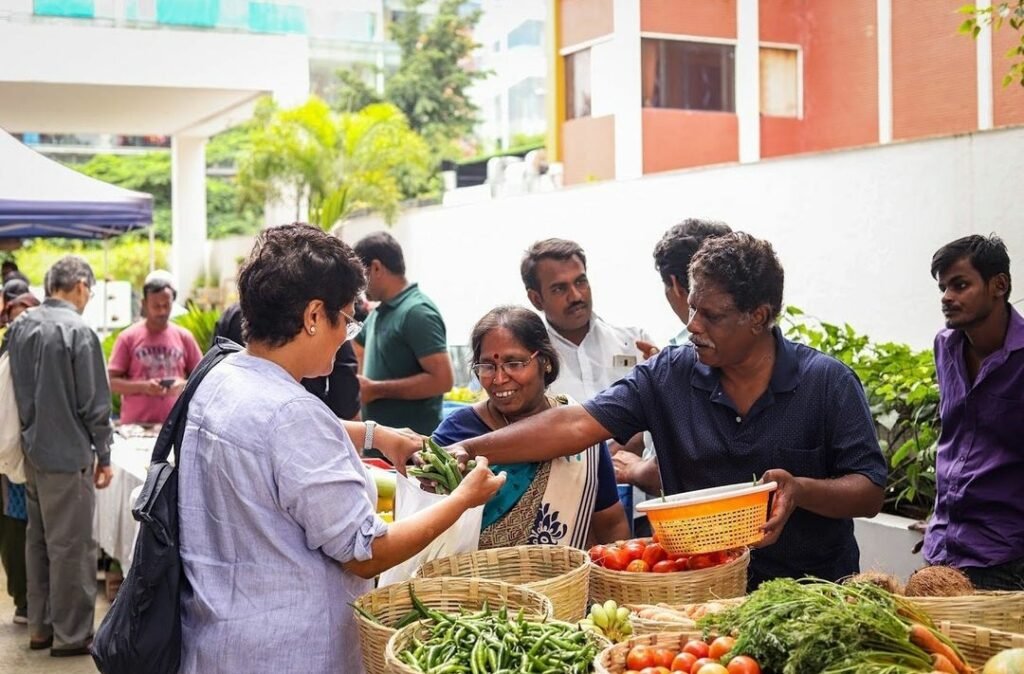
The Material Comparison Matrix
To help you strategically allocate your kitchen upgrade budget, let’s look at how these clean alternative materials perform across the key metrics of non-toxic food preservation:
| Storage Material | Lifespan & Durability | Visibility Index | Staining & Odor Retention | Ideal Kitchen Application |
| Food-Grade Stainless Steel | Indestructible (Decades) | Opaque (Requires opening or labels) | Zero retention; washes perfectly clean instantly | Bulk grains, lentils, flours, snacks, and daily tiffins. |
| Borosilicate Glass | Moderate to High (Fragile if dropped) | 100% Transparent (Perfect visibility) | Zero retention; immune to acidic corrosion | Whole spices, dry fruits, pickles, and liquid honey. |
| Traditional Clay / Terracotta | Delicate | Opaque | Absorbs natural moisture (Great for keeping items dry) | Drinking water, garlic, onions, and whole unpeeled potatoes. |
| Pure Brass / Copper | Very High (Requires occasional polishing) | Opaque | Zero retention; possesses natural antimicrobial traits | Whole spice seeds, dry herbs, and therapeutic water storage. |
A Practical Roadmap: How to Transition To A Plastic Free Kitchen Without Overwhelming Yourself
Trying to pull off a complete kitchen transformation in a single afternoon is a recipe for immense frustration. You will end up with a chaotic mess on your countertops and a massive dent in your monthly budget.
Instead, treat this transformation as a smooth, rewarding transition for your sustainable Indian household. Use this step-by-step sequence to systematically reclaim your space – Plastic-Free Kitchen :
1.Phase 1: Separate and Evaluate:The Kitchen Audit.
Pick a quiet weekend morning. Pull out every single plastic container you own and lay them out on your dining table or kitchen counter. Toss out any boxes that are warped, deeply scratched, sticky, or missing their lids. Keep a small handful of the remaining intact plastic boxes strictly for non-food storage—like holding safety pins, rubber bands, or sewing kits. Never let them touch food again.
2.Phase 2: Upgrade Your Daily Staples Cabinet:The Everyday Swap.
Focus your initial budget on the items you touch every single day. Swap out the large plastic jars holding your atta, rice, and primary cooking dals for large, sturdy stainless steel canisters or wide-mouthed glass jars. This single phase removes the vast majority of plastic contact from your core daily nutritional intake.
3.Phase 3: Tackle Leftovers and Lunches:The Refrigerator Fix.
Stop storing yesterday’s warm dinner curries in cheap plastic bowls inside the fridge. Invest in a set of 4 to 6 tempered glass storage bowls with airtight lids or use classic stainless steel round containers. For packing lunches for school or office, switch to high-quality stainless steel tiffins or insulated steel lunchboxes.
Genius Zero-Waste Storage Hacks for the Indian Home
Transitioning to a plastic free kitchen storage layout is the perfect opportunity to unleash your creativity using cheap, eco-friendly everyday items. Here are four brilliant lifestyle hacks to keep your ingredients beautifully preserved:
The Upcycling Magic: Stop throwing away glass jars from store-bought jams, honey, or sauces! Soak them in warm water mixed with baking soda overnight to easily peel off the paper labels. Wash them thoroughly, sun-dry them for a afternoon, and you have beautiful, high-quality, completely free glass storage jars ready for your spice cabinet.
- Banish Plastic Cling Wrap: Ditch that annoying, toxic plastic cling film used to cover half-cut fruits or bowls of dough. Switch to washable, reusable beeswax wraps or simply use a classic small steel plate (katli) to cover your bowls.
- The Fabric Breathability Trick: Store your root vegetables like onions, potatoes, and garlic in breathable jute or cotton bags instead of closed plastic baskets. This allows air to circulate naturally, preventing moisture accumulation and doubling their shelf life!
Reclaim the Health and Radiance of Your Plastic Free Kitchen
Stepping away from the convenience of plastic might feel like a minor adjustment, but it is one of the most powerful, health-protective choices you can make for your loved ones.
When you replace synthetic, chemical-laden plastic containers with the warm sheen of brass, the clean clarity of glass, and the indestructible reliability of stainless steel, you are doing more than just decluttering. You are creating a space that radiates safety, purity, and timeless beauty.
Take it one jar at a time. Start your transition today, honor our beautiful traditional storage heritages, and watch your kitchen transform into a truly clean, sustainable sanctuary of health!
Let’s Share the Inspiration!
What is the biggest barrier keeping you from removing plastic from your kitchen right now? Or if you have already started making the switch, what is your favorite type of traditional container to use? Drop your thoughts, questions, and kitchen organization tips in the comments below—let’s support each other in building healthy homes!
See Also
The Definitive Guide to Organic Food Labels: What Do They Actually Mean?
Is A Plastic-Free Kitchen ACTUALLY Doable?