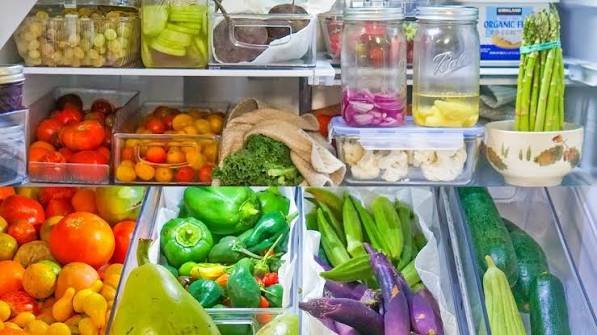

Picture this: You come back home from your local sabzi mandi or your neighborhood quick-commerce app delivery arrives. You look at the gorgeous, vibrant green bhindi, the shiny bright red tomatoes, and that beautiful crisp spinach. You feel a sense of pride because you are trying to feed your family healthy, wholesome meals.
But as you start putting them away in the fridge, a nagging little voice in the back of your mind starts whispering: “Are these vegetables actually healthy? Or am I unknowingly serving up a plate full of toxic chemicals to my children?”
Let’s be entirely real here—that fear is completely valid. It is no longer a secret that modern agriculture relies heavily on intensive chemical farming. We constantly hear unsettling news reports about systemic chemicals, synthetic wax coatings, and pesticide overuses that make us second-guess everything on our plates.
According to national crop monitoring data compiled by the Ministry of Agriculture under the MPRNL scheme, while many food samples stay within the official FSSAI pesticide safety limits, a significant portion of retail market produce consistently tests positive for detectable toxic pesticide residues on fruit and vegetables.
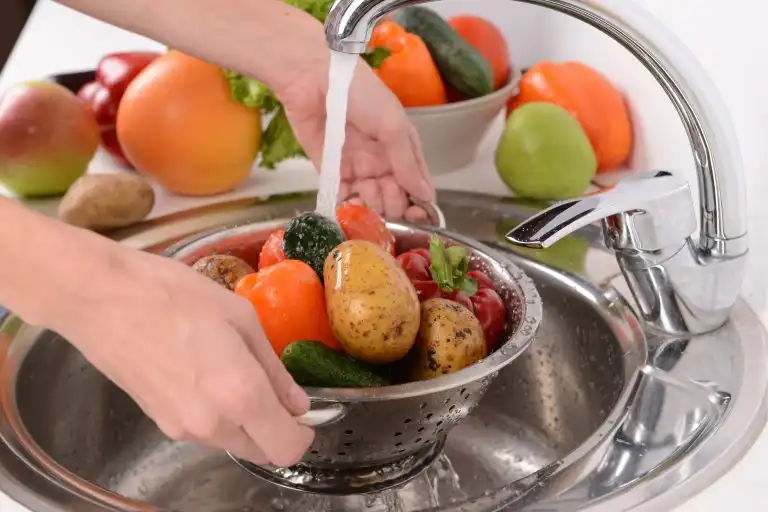
But here is the great news: you do not need to panic, and you don’t need to spend your hard-earned savings on overpriced, chemical-laden commercial veggie soaps. Nature has already provided us with incredibly cheap, highly effective, and completely scientific tools to detoxify our produce right in our own kitchens.
Today, we are going deep into the most effective natural pesticide removal methods specifically tailored for the Indian kitchen. Grab a mixing bowl, and let’s transform your daily cooking into a genuinely clean, chemical-free sanctuary!
The Chemistry of Pesticides: Why Water Alone Fails
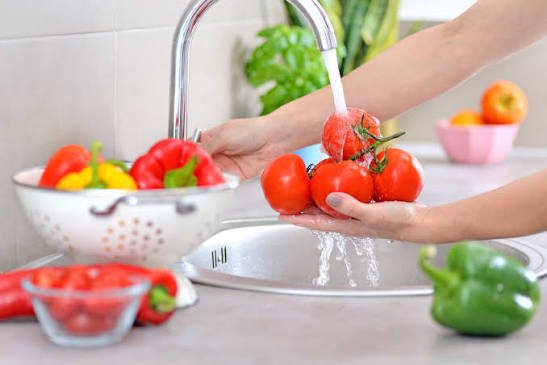
Before we look at the solutions, we have to understand the actual problem we are fighting. A common mistake in most Indian households is simply running fresh produce under plain tap water for ten seconds and assuming it is clean.
                       THE SURFACE RESIDUE PROBLEM
  ┌─────────────────────────────────────────────────────────────────┐
  │  WHY PLAIN TAP WATER GLIDES RIGHT OVER MODERN PESTICIDES        │
  ├─────────────────────────────────────────────────────────────────┤
  │  • Agrochemical Formulation: Made intentionally oil-soluble     │
  │  • The Rainfall Survival Hack: Engineered to stick through rains│
  │  • Plain Water Action: Hydrophobic barrier repels tap rinse    │
  │  • The Solution: Alkaline or acidic kitchen wash agents         │
  └─────────────────────────────────┬───────────────────────────────┘
                                    │
                                    ▼
                BREAKS MOLECULAR BONDS & CLEARS THE RESIDUE
Modern chemical pesticides are explicitly engineered by agricultural scientists to be hydrophobic—meaning they are oil-soluble and repel water. If they were easily water-soluble, they would wash off the crops the very first time it rained in the fields, forcing farmers to reapply them constantly.
To make them stay put, chemical companies mix the active pesticides with sticky petroleum-based surfactants and synthetic waxes. When these compounds dry on the surface of your baingan or apple, they form a stubborn, invisible film that plain tap water cannot break down.
To successfully achieve washing vegetables to remove pesticides, we need kitchen ingredients that can chemically disrupt that sticky film, neutralizing or dissolving the toxic molecules so they can be rinsed away forever.
The Master Science-Backed Cleansers Already in Your Kitchen
You do not need to buy specialized organic vegetable washing liquids that contain synthetic fragrances and hidden preservatives. Instead, look inside your spice cupboard and pantry for these three scientifically validated powerhouses.
1. The Alkaline Champion: Baking Soda (Meetha Soda)
If you could choose only one natural element for your kitchen detoxification station, make it sodium bicarbonate (baking soda).
- The Science: Most commonly used agricultural pesticides, especially organophosphates, are highly unstable in alkaline environments. An alkaline wash breaks down the chemical bonds of the pesticide molecules, rendering them completely harmless and water-soluble.
- The Proof: A landmark study published in the Journal of Agricultural and Food Chemistry proved that a simple baking soda solution was vastly more effective at removing stubborn surface pesticides than plain tap water or commercial bleach solutions.
2. The Acidic Degreaser: White Vinegar or Lemon Juice
- The Science: Diluted acetic acid (vinegar) or citric acid (lemon juice) acts as an exceptional natural degreaser. It completely dissolves the synthetic oil barriers and artificial waxes applied to fruits like apples, pears, and capsicums to make them look unnaturally shiny.
- The Bonus: Vinegar is also a potent, natural antimicrobial agent, meaning it drastically reduces surface bacteria like E. coli or Salmonella that accumulate during transit from wholesale mandis.
3. The Ancient Purifier: Rock Salt (Sendha Namak / Kala Namak)
- The Science: A high-saline solution creates osmotic pressure that helps draw out microscopic impurities from the porous skins of soft vegetables. Saltwater scrubbing mechanically strips away surface debris, dirt, and loosely bound chemical sprays with incredible ease.
The Complete Guide: Step-by-Step Produce Detoxification
Different categories of fruits and vegetables have completely different skin structures. A method that works beautifully for a hard potato will completely destroy a delicate bowl of strawberries. Use this procedural blueprint to tailor your clean food habits for Indian households:
1.Category 1: Hard-Skinned Fruits and Veggies:Method for Apples, Tomatoes, Capsicum, Gourds.
Fill a clean, deep stainless steel or glass vessel with cold tap water. Mix in your ingredients using the ideal baking soda fruit wash ratio: add exactly 1 tablespoon of baking soda for every 1 liter of water. Submerge your produce completely and let it soak undisturbed for 12 to 15 minutes. Gently scrub the skins with your hands, then rinse under clean running water.
2.Category 2: Delicate Leafy Greens:Method for Palak, Methi, Coriander, Cabbage.
Leafy greens are highly vulnerable to holding hidden soil, pest eggs, and intensive chemical sprays. First, discard the outer bruised leaves. Submerge the greens in a wide basin filled with cold water and 2 tablespoons of rock salt. Swirl them vigorously for 5 minutes to drop the dirt to the bottom. Transfer the greens to a fresh bowl of water mixed with 1 cup of vinegar for 5 minutes, then spin or pat dry.
3.Category 3: Complex Florets:Method for Cauliflower and Broccoli.
The tightly packed heads of cauliflower (gobi) are notorious hiding spots for tiny green caterpillars and heavy chemical residues. Cut the cauliflower into medium-sized florets. Submerge them completely in warm water mixed with 1 teaspoon of turmeric powder (haldi) and 1 tablespoon of salt for 10 minutes. The salt draws out the pests, while turmeric acts as a natural disinfectant.
The Kitchen Method Comparison Matrix
To make choosing a method easy during a busy morning cooking rush, here is a quick reference guide comparing our favorite natural pesticide removal methods:
| Natural Washing Agent | Preparation Formula | Best Target Produce | Key Practical Benefit |
| Baking Soda Bath | 1 tbsp per liter of water | Apples, grapes, tomatoes, potatoes, cucumbers | Best method for breaking down complex chemical structures. |
| Vinegar / Lemon Soak | 1 part vinegar to 3 parts water | Berries, capsicum, plums, shiny apples | Excellent for stripping away synthetic food wax and microbes. |
| Saltwater Swirl | 2 tbsp rock salt per liter | Leafy greens, bhindi, green chillies, broccoli | Highly effective for drawing out mud, debris, and surface pests. |
Pro-Tips to Keep Your Kitchen 100% Chemical-Free
To take your clean-eating journey to the absolute next level, integrate these simple, smart habits into your daily household routine:
Never Wash Before Storage: Do not wash your fruits and vegetables the moment they arrive if you intend to store them in the fridge for days. Introducing moisture accelerates mold growth and spoilage. Always store them dry, and execute your natural wash routines right before you prepare or cook them!
- Peeling is Your Secret Weapon: For heavy-residue crops that aren’t organic, simply peeling the skin off (like on cucumbers, carrots, and potatoes) removes more than 90% of surface chemical residues instantly. You might lose some skin fiber, but it is a highly sensible trade-off for your health.
- Invest in a Dedicated Vegetable Brush: Keep a natural-fiber coconut coir brush exclusively for scrubbing hard root vegetables like beetroot, sweet potatoes, and ginger under running water.
Transforming Awareness into Daily Family Protection
At the end of the day, you do not need to feel trapped by the realities of modern chemical farming. While we continue to advocate for better farming practices and look for clean, local organic options where possible, we hold immense protective power right inside our own kitchens.
By taking just ten extra minutes to use these natural pesticide removal methods, you completely change the health dynamic of your home. You strip away the invisible risks, protect your family’s long-term gut health, and ensure that your home-cooked meals are filled with nothing but pure, unadulterated love and nourishment.
What’s Your Kitchen Routine?
Do you have a favorite family trick for washing fresh produce? Have you tried the baking soda soak yet, and did you notice the incredible difference in how clean your vegetables felt? Drop a comment below—let’s share our clean-eating kitchen wisdom together!
See Also
How do you wash your fruits & veggies safely
7 Tips for Cleaning Fruits, Vegetables
The Definitive Guide to Organic Food Labels: What Do They Actually Mean?