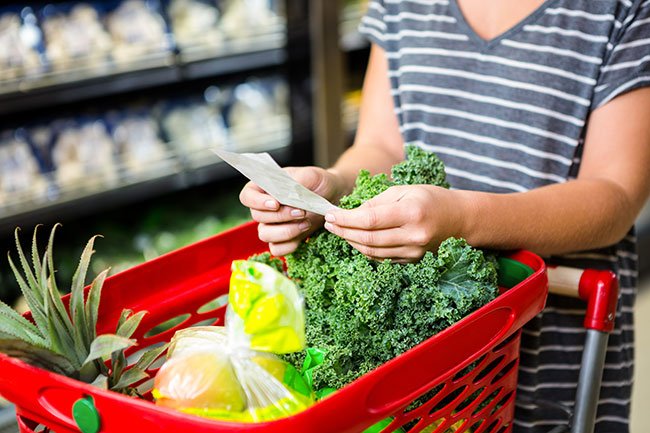

How to Shop Organic on a Budget ? Let’s talk about a scenario that happens in almost every middle-class Indian household at the start of the month. You sit down with your laptop or phone, open your favorite grocery delivery app, and determine that this is the month you are finally going to transition your family to a clean, chemical-free lifestyle.
You start adding organic atta, organic dal, a bottle of cold-pressed mustard oil, and some fresh organic vegetables to your cart. But as you scroll down to the final checkout page, your jaw drops. The total bill looks less like a regular grocery run and more like a down payment on a luxury gadget.
With a heavy heart, you delete half the items and switch back to your conventional regular brands. You find yourself thinking: “Look, I want my family to eat healthy, chemical-free food. But at these prices, an affordable organic lifestyle is just impossible for us.”

It is a massive frustration, and you are absolutely right to feel that way. The general perception out there is that organic living is exclusively for the ultra-wealthy. We see premium health stores charging astronomical prices for basic things like tur dal or jeera simply because it has an “organic” sticker on it.
But here is a well-kept secret of the wellness world: you do not have to be a millionaire to eat cleanly.
With a few strategic shifts in how, where, and when you buy your food, you can dramatically lower your chemical exposure while keeping your finances completely intact. Today, we are unpacking 7 genius hacks to shop organic on a budget specifically tailored for Indian kitchens. Grab your shopping list, and let’s rewire your grocery spending together!
Hack 1: Master the Bulk Strategy for Your Pantry Staples
When we look at our monthly grocery bills, the items that take up the maximum volume are our dry pantry goods—grains, lentils, flours, and spices. If you buy these staples in tiny 500-gram premium ziplock pouches every single week, you are paying a massive premium for the packaging and convenience.
One of the most effective organic shopping hacks is shifting your dry pantry purchases to a bulk-buying model.
                      THE ORGANIC BULK SAVINGS MATRIX
  ┌─────────────────────────────────────────────────────────────────┐
  │  DRY PANTRY ECOSYSTEM (Grains, Pulses, Millets, Whole Spices)   │
  ├─────────────────────────────────────────────────────────────────┤
  │  • Buy 5kg to 10kg bags instead of 500g premium pouches         │
  │  • Lowers per-kilo packaging and processing overheads          │
  │  • Stores beautifully using traditional Indian kitchen methods  │
  └─────────────────────────────────┬───────────────────────────────┘
                                    │
                                    ▼
                 IMMEDIATE 20% TO 35% COST REDUCTION
               (Maintains high purity at wholesale rates)
Why Bulk Grains Make Financial Sense
Items like organic basmati rice, whole wheat atta, chana dal, and millets like ragi have an incredibly long shelf life. When you buy these items in 5kg or 10kg bags, the per-kilogram cost drops drastically—often by 20% to 35% compared to smaller retail packs.

Traditional Preservation Methods
Don’t worry about bugs ruining your bulk investment! Our grandmothers knew exactly how to handle this without using toxic chemical tablets. Simply drop a few dried neem leaves, pieces of natural rock salt (sendha namak), or a few cloves (laung) into your large airtight storage steel containers. These natural repellents keep your bulk pantry staples pristine and fresh for months on end.
Hack 2: Pivot to Seasonal and Local Organic Farmers
We live in an age of instant gratification where we expect to eat red strawberries in July and fresh peas in October. But buying out-of-season produce is an absolute budget killer, whether it is organic or conventional.
When an organic store offers you non-seasonal vegetables, those items have either traveled thousands of kilometers in cold storage or been grown under resource-intensive greenhouse conditions. The cost of that transport and preservation is passed directly onto your bill.
Instead, train your kitchen to follow the rhythm of Indian seasons:
- Embrace the local harvest: When cauliflower, carrots, and spinach are flooding the market in winter, buy them in abundance. Not only are they at their absolute nutritional peak, but local organic farms will also drop their prices significantly to move their seasonal harvest quickly.
- Look for regional specialties: Instead of hunting for expensive imported organic kale, choose traditional Indian greens like chaulai (amaranth leaves), bathua, or local varieties of wild spinach. They offer identical health benefits at a fraction of the cost.
Hack 3: Source Directly from Farm Cooperatives and CSAs
Why is supermarket organic food so expensive? It’s because of the long supply chain. The food goes from the farmer to a consolidator, then to a distributor, then to a packaging brand, then to the retail store shelf, and finally to your basket. Every single middleman takes a financial cut.
You can bypass this entire markup matrix by sourcing your direct from farm vegetables and fruits through Community Supported Agriculture (CSA) programs or direct-to-consumer farming cooperatives.
┌────────────────────────────────────────────────────────┐
│             SUPPLY CHAIN MIDDLEMAN CUT                 │
├───────────────────────────┬────────────────────────────┤
│   Traditional Retail Chain│  Direct-to-Consumer Co-op  │
├───────────────────────────┼────────────────────────────┤
│   Farmer ──> Broker       │   Farmer                   │
│     └──> Distributor      │     │                      │
│       └──> Supermarket    │     └───(Direct Delivery)──│
│         └──> Your Basket  │                            ▼
│   [Massive 50-70% Markup] │      [Your Kitchen Basket] │
└───────────────────────────┴────────────────────────────┘
How Indian Agri-Cooperatives Are Changing the Game
Across India, groups of certified local organic farmers are banding together to form direct delivery networks. Whether it’s an organic mango cooperative in Maharashtra or a sustainable organic rice initiative in South India, these groups deliver directly to housing societies or centralized neighborhood pickup spots once or twice a week.
By eliminating the supermarket shelf fees and middleman markups, you get stunningly fresh, clean food at prices that closely rival the conventional wholesale markets.
Hack 4: Focus Your Organic Spend on the Core Essentials
If your budget doesn’t allow for a 100% organic lifestyle right now, do not abandon the journey entirely. Be strategic! Apply your financial resources where they yield the maximum protective impact for your family’s health.
You can categorize your kitchen into high-priority and low-priority zones based on how much chemical exposure you are actually eliminating per rupee spent.
| High-Priority Splurge Zone | Low-Priority Savings Zone |
| Cooking Oils & Ghee: Toxins bond easily with fat cells. Prioritizing cold-pressed organic oils is essential. | Thick-Skinned Fruits: Bananas, watermelons, papayas, and mangoes have natural armor that keeps chemicals out. |
| Daily Leafy Greens: Palak, methi, coriander, and pudina have high surface absorption rates. | Root Vegetables with Peels: Onions and garlic grow underground and have layers peeled away before cooking. |
| Daily Spices: Haldi, chili powder, and hing are used in multiple meals every single day. | Shell-Protected Foods: Peas, sweet corn, and pomegranates are inherently insulated from sprays. |
By saving on the items in the right-hand column, you free up plenty of room in your budget to comfortably buy the high-priority cheap organic food options on the left!
Hack 5: Go Raw and Cook From Scratch (The Ultimate Anti-Process Hack)
One of the biggest traps in the modern health food market is the explosion of organic processed foods. Brands love selling organic instant noodles, organic packaged breakfast cereals, or organic ready-to-eat upma mixes.
These products are incredibly expensive, and frankly, they aren’t even that great for your health. Processing strips away natural nutrients, regardless of whether the original ingredient was organic or not.
The most profound way to save money while buying organic in India is to take control of your kitchen production:
- Ditch the premade jars: Don’t buy expensive jars of organic ginger-garlic paste. Buy raw organic ginger and garlic in bulk, grind it in your mixer-grinder at home, and store it in a glass jar with a pinch of salt and mustard oil. It takes 10 minutes, costs a quarter of the price, and contains zero artificial stabilizers.
- Blend your own flours: Instead of buying premium multi-grain multi-seed organic flour mixes, buy individual organic grains like whole wheat, oats, and millets separately. Mix them at home in your own ratios.
Hack 6: Look for Store Brands on Digital Grocery Apps
Many modern Indian consumers do the majority of their grocery shopping on quick-commerce and large-scale delivery apps. If you look closely at these platforms, you will see that they often feature two distinct tiers of organic products: premium independent wellness brands, and the platform’s own in-house organic store brand.
The Private Label Pricing Advantage
In-house organic lines are almost always significantly cheaper than independent specialty brands. Because these platforms handle their own massive logistics, storage warehousing, and distribution networks, they can afford to price their certified organic pulses, sugars, and flours at a much lower point.
Always look for the official regulatory certification seals (like the FSSAI Jaivik Bharat checkmark) on these store brands. If the official seals are present, you are getting the exact same verified quality at a fraction of the cost!
Hack 7: Start a Micro-Balcony Garden for Essential Herbs
You don’t need a massive ancestral farmhouse to start growing your own food. If you have a small balcony, a window sill, or even a utility area that gets a couple of hours of sunlight every day, you can cultivate your own continuous supply of high-priority organic greens.
Think about how often we buy fresh coriander (dhania), mint (pudina), curry leaves, and green chilies. These small herbs are frequently heavily sprayed in conventional farming to keep them looking bright on roadside stalls.
By planting these essentials in simple plastic pots or recycled plastic bottles using organic soil and compost:
- You save money on daily small vegetable purchases.
- You eliminate 100% of the chemical risk from your daily garnishes.
- You get the unparalleled joy of plucking fresh, vibrant, aromatic herbs right in the middle of preparing your meals!
Actionable Summary Checklist for Your Next Grocery Run
Let’s distill these 7 genius hacks to shop organic on a budget into an immediate, actionable game plan that you can implement today:
- Pantry: Buy your dal, rice, and flours in 5kg–10kg bulk bags instead of small weekly packs.
- Produce: Apply the priority framework. Buy organic palak and tomatoes; save money by buying regular onions and bananas.
- Sourcing: Check your housing society or local neighborhood apps for direct-from-farm cooperative delivery options.
- Kitchen: Step away from processed organic snacks. Buy raw ingredients and prepare your bases from scratch.
- Balcony: Put a few seeds of coriander and mint into a pot on your window sill this weekend.
Your Budget, Your Health, Your Choice
Switching to an organic lifestyle doesn’t require an all-or-nothing mindset. It is a gradual, mindful journey of making smarter choices block by block. Every single chemical-laden ingredient you successfully swap out for a clean, affordable organic alternative is a massive victory for your family’s vitality.
You have the power to protect your household’s health without compromising your financial peace of mind. Use these hacks, shop smart, and watch your kitchen transform!
We Want to Hear From You!
Which of these budget-friendly hacks are you going to try out first this month? Do you have an amazing local farming co-op in your city that more people should know about? Share your money-saving kitchen wisdom and tips in the comments below—let’s help our community grow healthier together!
See Also
The Definitive Guide to Organic Food Labels: What Do They Actually Mean?
How to Eat Organic on a Budget
Beyond the Supermarket: How to Source Food from Local Cooperatives and CSAs