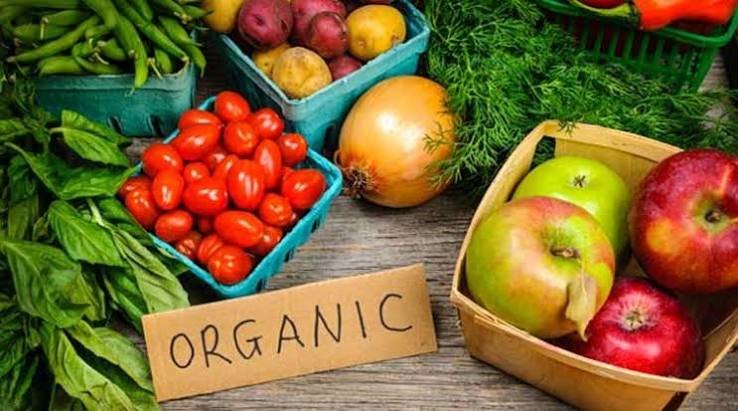

Let’s play out a very familiar Sunday morning scenario. Subject – Buying Organic Food. You pick up your canvas bags and head to the high-end supermarket down the road, or maybe you open a trendy 10-minute grocery delivery app on your phone. Your goal? To pick up fresh, chemical-free vegetables for your family’s weekly meals.
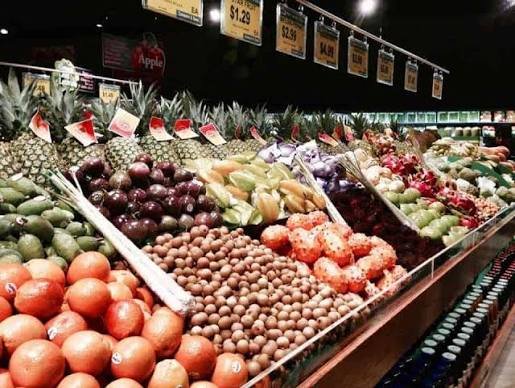
You find the organic section, and you’re immediately greeted by neat rows of plastic-wrapped cucumbers, perfectly uniform tomatoes sitting in thermocol trays, and apples with shiny stickers imported from thousands of miles away. You pick up a pack of tomatoes, look at the price tag, look at the excessive plastic packaging, and a wave of skepticism hits you.
You wonder: “Is this really the only way to get healthy food? Why does eating clean have to involve so much plastic packaging, long shipping journeys, and corporate markups? Isn’t there a way to connect directly with the people who actually grow our food?”
The answer is a resounding yes!
When people think about buying organic food in India, they usually assume their choices are limited to the elite shelves of gourmet grocery stores or the premium tabs of tech apps. But there is a massive, quiet revolution happening right under our noses. All across India—from the outskirts of Bengaluru and Pune to the fertile belts around Delhi and Chennai—networks of passionate, ethical farmers are setting up direct lines right to our doorsteps.
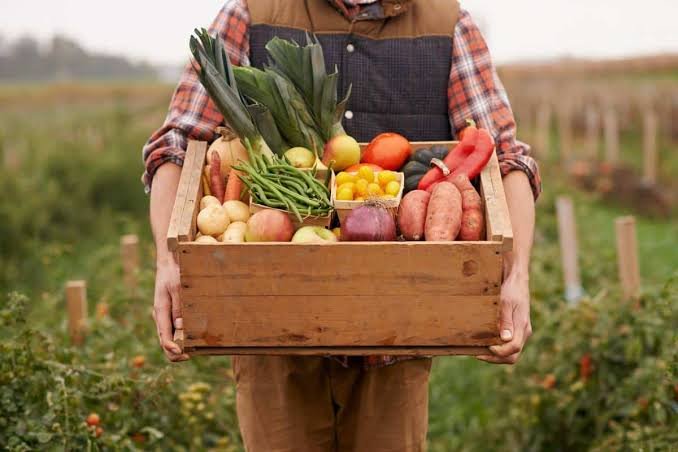
Today, we are going to explore how to step completely outside the sterile supermarket aisles. We will break down how you can tap into local farming cooperatives and Community Supported Agriculture (CSA) networks to get the absolute freshest, most authentic organic produce—all while saving money and supporting our local farming heroes.
Let’s dive into how this ecosystem works and how you can join it today!
The Supermarket Disconnect: Why the Current System is Broken
To understand why direct sourcing is such a game-changer, we have to pull back the curtain on how mass-retail organic food works.
When an organic apple or a bunch of spinach sits under the bright fluorescent lights of a supermarket, it has often traveled a long, exhausting path. It was harvested days (sometimes weeks) ago, packed into a plastic crate, shipped to a centralized cold-storage warehouse, sorted, wrapped in layer upon layer of non-biodegradable plastic to separate it from conventional food, and trucked to your city.
This traditional corporate retail model causes three major issues for us as consumers:
- Lost Nutritional Value: Leafy greens and vegetables lose a significant portion of their vitamins within 48 hours of harvest. By the time it reaches a supermarket shelf, that organic spinach isn’t at its peak vitality.
- Sky-High Markups: The retail price you pay includes slotting fees, supermarket air conditioning costs, packaging materials, and middleman profits. The actual farmer often receives only a tiny fraction of what you spend.
- Environmental Irony: Buying organic is supposed to be good for the earth, but wrapping a single organic coconut or two bell peppers in thick plastic stretch film completely defeats the purpose of sustainable grocery shopping.
Demystifying Community Supported Agriculture (CSA) in India
Regarding Buying Organic Food – this is where the concept of Community Supported Agriculture (CSA) comes in to completely save the day. While it sounds like a complex technical term, it is actually a beautiful return to the traditional way our ancestors sourced food.
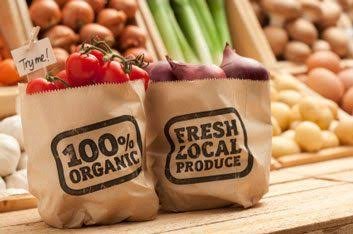
At its core, a CSA is a direct partnership between a community of city consumers and a local organic farm. Instead of buying food item-by-item, you subscribe to a farm for a season or a year. In return, the farm delivers a curated basket of freshly harvested, seasonal vegetables directly to your home or neighborhood hub every single week.
                  THE COMMUNITY SUPPORTED AGRICULTURE CYCLE
  ┌─────────────────────────────────────────────────────────────────┐
  │  THE URBAN CONSUMER SUBSCRIBES (Consistent, direct payment)     │
  ├─────────────────────────────────────────────────────────────────┤
  │  • Farmer receives upfront capital for seeds, compost, and labor│
  │  • Crops are harvested specifically for the weekly subscriber   │
  │  • Food travels straight from soil to your kitchen within 24 hrs │
  └─────────────────────────────────┬───────────────────────────────┘
                                    │
                                    ▼
                ULTRA-FRESH, ZERO-PLASTIC VEGGIE BASKET
               (Guaranteed income for farmers, peak health for you)
What Comes Inside a Weekly Indian CSA Basket?
When you join an organic farm to table CSA program, you give up a little bit of control over your shopping list in exchange for unparalleled freshness. You don’t choose every single vegetable; instead, you get whatever is perfectly ripe and ready on the farm that week.
A typical mid-sized weekly basket in an Indian CSA might include:
- Daily Base Staples: 1kg Potatoes, 1kg Onions, and 1.5kg Tomatoes.
- Seasonal Greens: A fresh bunch of palak (spinach), methi (fenugreek leaves), or dhania (coriander).
- Gourmet Seasonal Veggies: Crisp ladyfingers (bhindi), tender bottle gourd (lauki), or seasonal carrots.
- Surprise Elements: A traditional, lesser-known regional vegetable or a bunch of local bananas.
The Human Impact: Sharing the Risk and Reward
When you pay a local farm directly through a CSA model, you are doing something incredibly noble. You are providing predictable financial stability to an independent organic farmer.
If there’s a sudden unseasonal rainstorm or a minor pest attack that damages one specific crop, the farmer doesn’t go bankrupt, because their community subscription covers their basic operational costs. In return, when the harvest is incredibly bountiful, your weekly basket overflows with extra produce at no additional charge!
The Rise of Local Farming Cooperatives: Strength in Numbers
While a CSA connects you to a single farm, local farming cooperatives aggregate the efforts of dozens of small-scale farmers in a specific agricultural region.
Many small-holding Indian farmers want to practice traditional, chemical-free agriculture, but they face a major challenge: they don’t grow enough volume individually to transport their produce to big cities or manage complex logistics. By forming a cooperative, they pool their harvests, share transportation vehicles, and set up unified collection points.
Why Cooperatives Help Keep Organic Staples on a Budget
Sourcing your weekly provisions from a cooperative is one of the smartest ways to enjoy an affordable organic lifestyle. Because cooperatives cut out the corporate distribution layers, they pass those massive savings directly down to you.
You can comfortably buy your basic organic staples on a budget—including high-demand items like tur dal, cold-pressed oils, unbleached sugar, and whole wheat atta—at prices that are often 20% to 40% cheaper than premium lifestyle brands found in supermarkets.
Supermarkets vs. Cooperatives/CSAs: A Quick Reality Check
Let’s look at a clear comparison to see how direct-from-farm models stack up against the traditional retail shopping experience.
| Feature / Metric | High-End Retail Supermarket | Local Cooperative / CSA Model |
| Time from Harvest to Table | Usually 3 to 7 days | Often under 24 hours |
| Packaging Waste | Heavy use of plastic trays, shrink-wrap, and tags | Minimal to zero waste (delivered in reusable crates or gunny bags) |
| Price Stability | Volatile, subject to high corporate markups | Highly stable, transparent, and fair-trade pricing |
| Where Your Money Goes | Majority goes to retail logistics and corporate margins | Directly into the hands of the Indian farmers |
| Product Variety | Driven by cosmetic perfection and long shelf life | Driven by natural seasonality and regional biodiversity |
Step-by-Step Guide: How to Find and Join Direct Networks in Your City
Ready to make the switch but don’t know where to start? Finding these grassroots networks is much easier than you think. Use this simple 4-step execution plan to locate authentic community supported agriculture India initiatives near you.
1.Tap Into Social Media and Local Agri-Forums:Step 1.
Many of the best regional farming cooperatives don’t have massive advertising budgets. Look for them on platforms like Instagram and Facebook using specific local search phrases like “Organic farmers cooperative Bangalore” or “Direct farm delivery Pune.” Look for community-driven groups where members share honest feedback.
2.Check with Your Housing Society Management:Step 2.
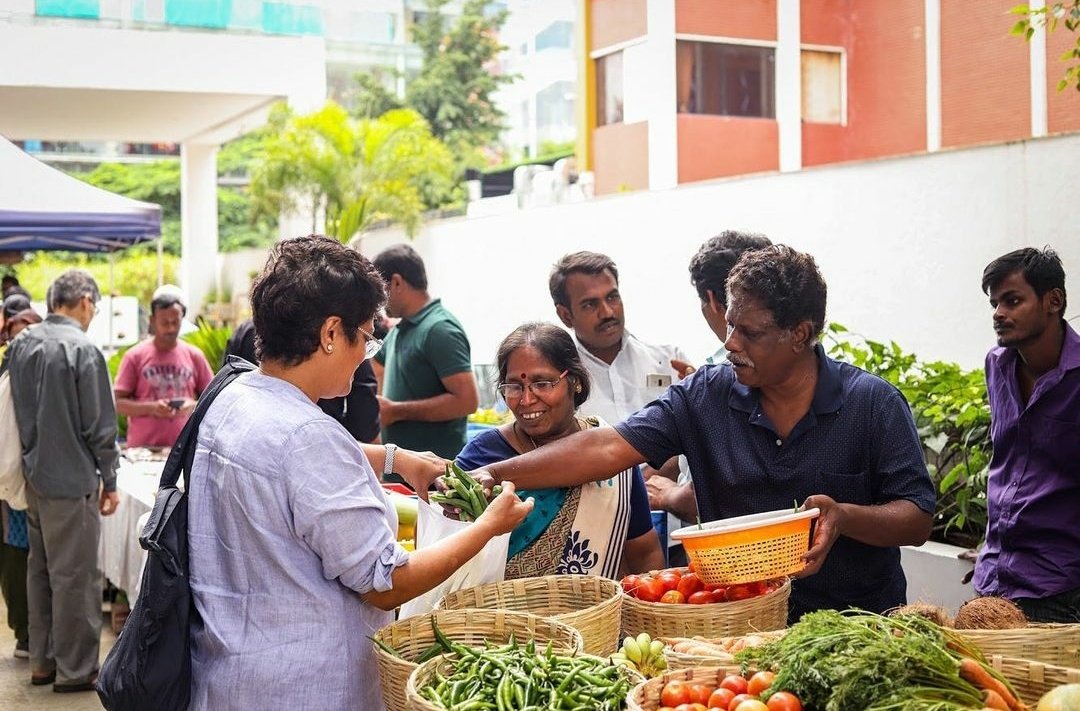
Talk to your building’s residents’ welfare association (RWA). Many large apartment complexes in Indian metro cities have pre-existing arrangements where an organic farming cooperative is invited to set up a small, temporary stall in the society courtyard once or twice a week.
3.Audit Specialized Organic Food Delivery Apps:Step 3.
Look for regional, farm-to-table apps that explicitly highlight the exact names and locations of the farms they source from. Avoid platforms that keep their supply chain completely anonymous. True ethical platforms will clearly trace your vegetables back to specific farmer clusters.
4.Start with a Trial Box:Step 4.
Before committing to a long-term monthly or seasonal subscription, request a single trial basket. Use this opportunity to evaluate the freshness, test the natural aroma of the vegetables, and see if the seasonal variety aligns with your household’s daily cooking habits.
Overcoming the Transition Hurdles: Adjusting Your Kitchen Habits
Let’s be completely honest: moving away from conventional supermarket shopping toward a direct-from-farm model requires a small, mindful shift in how you manage your kitchen. It is a beautiful journey, but it does come with a few adjustments:
1. Embrace Visual Imperfection
Supermarket vegetables are curated for visual symmetry. Direct-from-farm organic produce, however, is beautifully real. Your carrots might have quirky twists, your lemons will vary in size, and your cauliflowers might have an occasional tiny bug hidden deep inside the leaves.
Remember, a tiny bug is living proof that the crop hasn’t been drenched in systemic nerve-agent pesticides! Simply soak your greens in salt water for 10 minutes before chopping, and you are perfectly good to go.
2. Let Seasonality Guide Your Menu
If you join a CSA, you have to shift from “What do I want to cook tonight?” to “What has the farm sent me this week?”
If your basket arrives with an abundance of ridge gourd (torai) or red amaranth leaves, look up traditional regional recipes to celebrate those fresh ingredients. It is a fantastic way to break free from boring food ruts and introduce incredible biological diversity back into your family’s diet.
The Ultimate Verdict: Voting with Your Wallet
Every single time you spend your hard-earned money on food, you are casting a direct vote for the kind of world you want to build.
When you purchase mass-market, plastic-wrapped goods from corporate retail giants, you vote for long supply chains, excessive packaging, and industrial processing. But when you actively choose to buy your food through local farming cooperatives and CSA networks, you are choosing a completely different path.
You are voting for rich soil health, zero-waste packaging, vibrant regional biodiversity, and true financial equity for the honest, hardworking families who till the earth. You get food that tastes better, lasts longer, and carries the pure, undeniable energy of fresh nature.
Let’s Swap Stories!
Stepping away from the supermarket is an empowering, life-affirming shift for any household. It turns grocery shopping from a boring, clinical chore into a meaningful act of community connection.
Have you ever tried a farm-direct subscription or a weekly veggie box? How does your family handle seasonal eating challenges during the changing months? Drop your experiences, questions, and favorite local farming tips in the comments below—let’s build a vibrant guide for smart shopping together!
See Also
The Definitive Guide to Organic Food Labels: What Do They Actually Mean?
The Future of Indian Retail: Navigating Economic Challenges