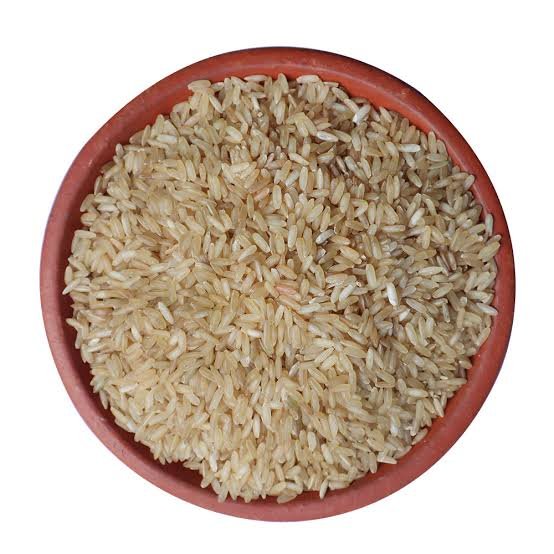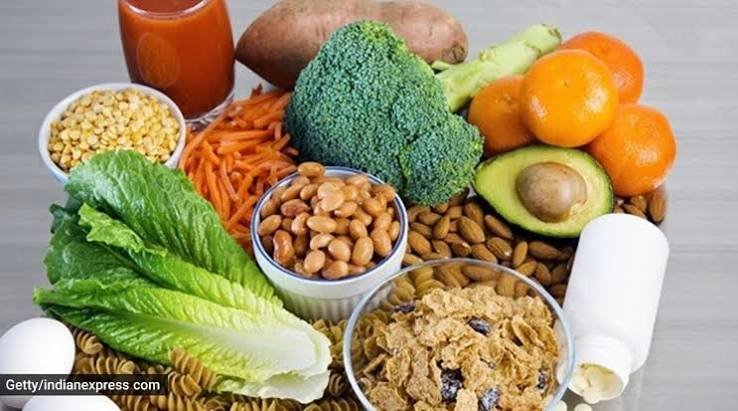
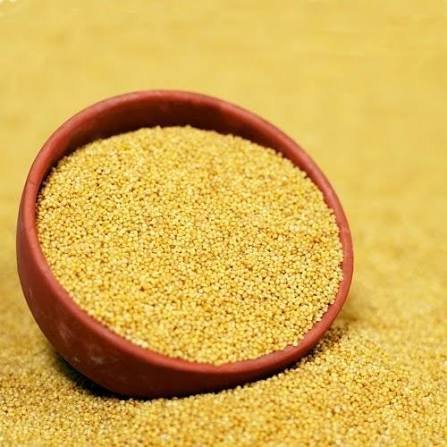

If you have stepped into an Indian grocery store or browsed a health blog recently, you already know that millets are having a massive moment. From Ragi dosas in Bengaluru to Bajre ki roti in Jaipur and Jowar bhakri in Mumbai, ancient grains are officially back on our dinner plates.
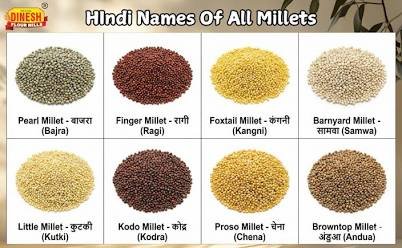
However, switching to millets can feel confusing. Which millet works best for crisp dosas? Which one replaces white rice without turning your pulao into mush? And why should you choose organic millets over regular ones?
This practical guide breaks down the best organic millets for Indian kitchen cooking—complete with regional dish pairings, soaking techniques, and step-by-step prep tips.
Why Millets Are Making a Comeback in Indian Kitchens
For decades, polished white rice and refined wheat (maida) dominated our daily meals. While convenient, this shift away from traditional grains contributed to rising lifestyle health issues across India, including type-2 diabetes, gluten sensitivity, and sluggish digestion.
Millets are ancient super-grains (Shree Anna) that our grandparents ate daily. Here is why bringing them back is the best decision for your family’s health:
- Low Glycemic Index (GI): Unlike white rice, which causes rapid blood sugar spikes, millets release glucose slowly into the bloodstream.
- Rich in Dietary Fiber: High soluble and insoluble fiber contents keep your gut happy and keep you full longer.
- Naturally Gluten-Free: Perfect for anyone suffering from wheat allergies or bloating.
- Packed with Minerals: High concentrations of iron, calcium, magnesium, and potassium support bone density and heart health.
- Environmentally Sustainable: Millets require minimal water to grow and thrive without chemical fertilizers, making them gentle on the planet.
Organic Millet vs Regular Millet: Why Quality Matters
When searching for the best organic millets for Indian kitchen recipes, you will notice both organic and conventional options on store shelves. While standard millets are healthy, choosing certified organic millets offers distinct advantages:
| Feature | Certified Organic Millets | Conventional / Regular Millets |
| Pesticide Residue | Zero synthetic pesticides or chemical fertilizers | May contain traces of chemical sprays used during farming |
| Processing | Unpolished or minimally husked (retains nutrient-rich bran) | Frequently hyper-polished for appearance, removing fiber |
| Soil & Growing | Grown in toxin-free, ecologically balanced soil | Grown with chemical boosters that degrade soil quality |
| Taste & Aroma | Nutty, earthy, and rich natural flavor | Mild, occasionally bland due to heavy machine processing |
Polishing removes the outer bran layer where most vitamins and dietary fiber live. Buying organic, unpolished millets ensures you get pure, whole-grain nutrition free from chemical toxins.
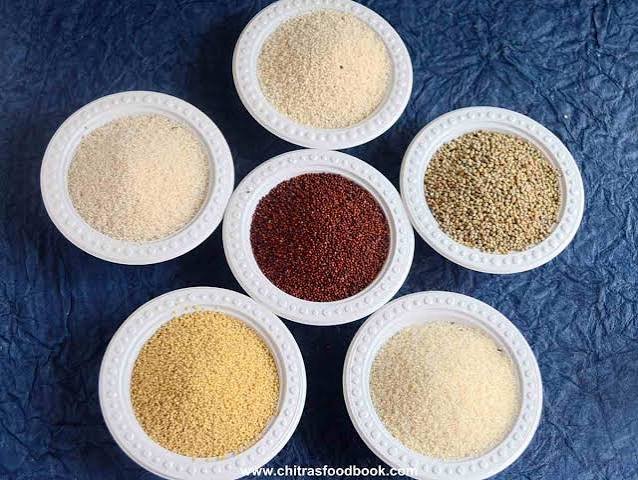
The Ultimate Guide: Which Millet for Which Indian Dish?
Not all millets behave the same way in the kitchen. Some grind into silky batters, while others hold their shape like long-grain rice. Here is how to pick the right grain for your favorite Indian meals.
1. Ragi (Finger Millet)
Best for: Dosa, Malt, Roti, Porridge, and Laddus
Ragi is the powerhouse of the millet family. Deep red or brown in color, it boasts one of the highest calcium contents of any plant-based food—around 344 mg per 100 grams!
How to Use Ragi in the Kitchen
- Ragi Malt / Porridge: Cook finely ground organic ragi flour with water or milk, sweetened with jaggery and spiced with cardamom. It makes an excellent breakfast drink for growing kids and seniors.
- Ragi Dosa & Idli: Mix ragi flour into traditional fermented urad dal batter for soft idlis or crispy dosas.
- Ragi Roti: Knead ragi flour with hot water, chopped onions, green chilies, and coriander for soft, wholesome flatbreads.
2. Jowar (Sorghum)
Best for: Soft Bhakris, Rotis, and Chappatis
Jowar is a creamy-white grain with a mild, sweet flavor. Because it lacks gluten, it is gentle on the stomach and acts as a direct, healthy swap for whole wheat flour (atta).
How to Use Jowar in the Kitchen
- Jowar Bhakri: A staple across Maharashtra and Karnataka, jowar bhakri is made by kneading jowar flour with warm water and patting it thin by hand before cooking it on an iron tawa.
- Multi-Grain Atta Mix: Combine 40% jowar flour with your regular whole wheat flour to increase fiber without drastically changing the texture of your daily phulkas.
3. Bajra (Pearl Millet)
Best for: Winter Rotis, Khichdi, and Mathri
Bajra is a warm, nutty grain high in iron, zinc, and magnesium. It is traditionally consumed during winter months across Rajasthan, Gujarat, and Haryana because it produces internal body heat and boosts immunity.
How to Use Bajra in the Kitchen
- Bajre ki Roti with White Butter: Pair thick, hand-patted bajra rotis with fresh homemade butter (makhan) and jaggery for a classic winter meal.
- Bajra-Moong Dal Khichdi: Coarsely crush whole organic bajra and slow-cook it with yellow moong dal, ghee, and cumin seeds for a comforting, gut-healing bowl.
4. Foxtail Millet (Kangni / Navane)
Best for: Rice Replacement, Pulao, Biryani, and Lemon Rice
If you are looking for the best organic millets for Indian kitchen rice alternatives, Foxtail millet leads the pack. Its small, yellow grains cook into a fluffy texture that absorbs spices beautifully.
How to Use Foxtail Millet in the Kitchen
- Millet Vegetable Pulao: Sauté whole spices, onions, and veggies in ghee, add soaked foxtail millet, and pressure-cook for a healthy weeknight dinner.
- South Indian Variety Rice: Substitute white rice with cooked foxtail millet to make curd rice, lemon rice, or tamarind rice (puliyogare).
5. Little Millet (Kutki / Saame)
Best for: Upma, Pongal, Kheer, and Salads
Little millet has tiny grains that cook quickly. High in essential fatty acids and complex carbohydrates, it is an ideal choice for quick breakfasts.
How to Use Little Millet in the Kitchen
- Ven Pongal: Pressure cook little millet with yellow moong dal, temper with ghee, black pepper, cumin, cashew nuts, and curry leaves for a comforting breakfast.
- Millet Upma: Roast little millet lightly and cook it with mustard seeds, green chilies, vegetables, and roasted peanuts.
6. Barnyard Millet (Sanwa / Jhangora)
Best for: Navratri Fasting (Vrat) Recipes and Kheer
Barnyard millet is low in calories, high in dietary fiber, and extremely easy to digest. It is widely eaten across India during religious fasts (vrat/upvas).
How to Use Barnyard Millet in the Kitchen
- Vrat Ki Samak Khichdi: Cook barnyard millet with rock salt (sendha namak), cumin seeds, potatoes, and peanuts for a fast-friendly meal.
- Barnyard Kheer: Simmer whole grains in milk with cardamoms, saffron, and nuts for a guilt-free dessert.
Quick Reference: Matching Millets to Indian Dishes
| Millet Type | Local Name | Best Dish Match | Primary Benefit |
| Finger Millet | Ragi / Nachni | Dosa, Malt, Porridge, Roti | Extremely High Calcium |
| Sorghum | Jowar | Bhakri, Flatbreads | Soft texture, Gluten-Free |
| Pearl Millet | Bajra | Winter Roti, Khichdi | High Iron & Body Warming |
| Foxtail Millet | Kangni / Navane | Pulao, Biryani, Steamed Rice | Ideal Low-GI Rice Swap |
| Little Millet | Kutki / Saame | Upma, Ven Pongal | High Fiber, Fast Cooking |
| Barnyard Millet | Sanwa / Jhangora | Vrat Khichdi, Kheer | Low Calorie, Fasting Grain |
How to Buy, Wash, Soak, and Cook Organic Millets
Transitioning to millets is simple once you master basic prep. Because millets contain natural anti-nutrients like phytic acid, proper washing and soaking are essential for optimal digestion and nutrient absorption.
1. BUYING   ➜ Choose certified unpolished organic millets
2. WASHING  ➜ Rinse 2-3 times until water runs clear
3. SOAKING  ➜ Soak whole grains for 6-8 hours (flours need no soaking)
4. COOKING  ➜ Use 1:3 grain-to-water ratio on low heat
Step 1: How to Buy
Always look for packages explicitly labeled “Unpolished” and “Certified Organic.” Polished millets lose their outer bran layer, removing much of the natural fiber and mineral content.
Step 2: Washing and Soaking
- Rinse Well: Place whole millets in a fine mesh strainer and rinse under cool water 2 to 3 times to remove surface dust.
- Soak Whole Grains: Soak whole millets (Foxtail, Little, Barnyard, Bajra) in fresh water for at least 6 to 8 hours (or overnight). Soaking breaks down phytic acid, making minerals easier to absorb and reducing cooking time. (Note: Millet flours like Ragi or Jowar do not need soaking).
Step 3: Cooking Ratios & Methods
- Open Pot Method (Fluffiest Texture): Combine 1 cup of soaked millet with 2.5 cups of water in a heavy-bottomed pot. Bring to a boil, cover with a lid, reduce heat to low, and simmer for 10–12 minutes. Turn off the heat and let it rest covered for 5 minutes before fluffing with a fork.
- Pressure Cooker Method (Soft/Mashy Texture): Use 1 cup of soaked millet to 3 cups of water. Pressure cook for 2 to 3 whistles on medium heat. This method works well for khichdi, pongal, or porridge.
Frequently Asked Questions (FAQs)
1. Can I eat millets every day instead of wheat and rice?
Yes! Eating millets daily is safe and healthy. However, variety is key. Rotate different grains throughout the week—such as Ragi on Monday, Jowar on Tuesday, and Foxtail millet on Wednesday—to ensure a balanced diet.
2. Why do millets need to be soaked before cooking?
Millets contain natural compounds called enzyme inhibitors and phytic acid, which can interfere with mineral absorption and cause mild bloating. Soaking neutralizes these compounds, softens the grain, and speeds up cooking.
3. Which organic millet is best for weight loss?
All organic millets aid weight loss due to their high fiber content, but Foxtail millet and Barnyard millet are particularly effective. They feature a low glycemic index and low calorie density, keeping you satisfied for hours.
4. Are millets completely gluten-free?
Yes, all true millets (Ragi, Jowar, Bajra, Foxtail, Little, Barnyard, Kodo, and Proso) are 100% naturally gluten-free. They are excellent choices for individuals with celiac disease or non-celiac gluten sensitivity.
5. How should I store organic millets to keep them fresh?
Because unpolished organic millets retain their natural oils, store whole grains and ground flours in airtight glass or stainless-steel containers in a cool, dry pantry. In humid weather, keeping millet flours in the refrigerator extends their shelf life up to 6 months.
Final Thoughts: Upgrading Your Wholesome Kitchen
Integrating the best organic millets for Indian kitchen cooking does not require abandoning your favorite traditional meals. Start small: replace white rice with Foxtail millet in your weekend pulao, or swap wheat flour with Jowar flour for dinner flatbreads once or twice a week.
By choosing certified organic, unpolished millets, you support sustainable farming practices while feeding your family clean, nutrient-dense whole foods.
See Also
Millet Recipes | Best Millet Recipe | One Pot Millet Meals | Healthy food
Millet Cooking Hacks – Easy & Tasty Millet Cooking
Cold Pressed Mustard Oil vs Filtered Mustard Oil: The Indian Cooking Guide
Unpolished Dal vs Polished Dal: The Honest Indian Kitchen Guide