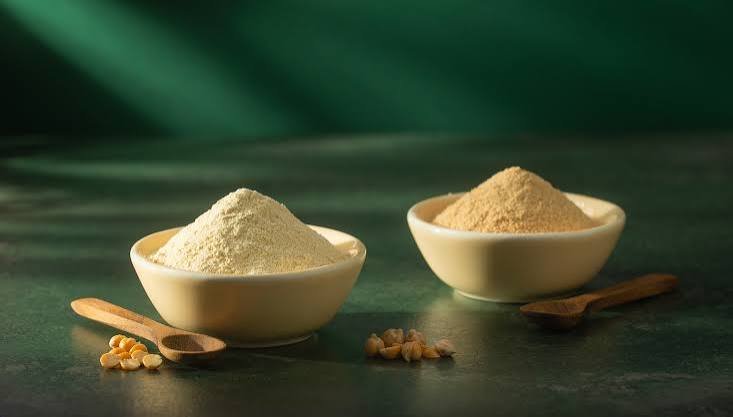

Walk into almost any Indian kitchen, open the pantry cabinet, and you are almost guaranteed to spot two jars of pale yellow flour sitting side by side. To the untrained eye, they look nearly identical. Both come from chickpeas, both feel fine between your fingers, and both have been staples in Indian households for generations. Yet, grab the wrong jar while prepping dinner, and your crispy evening pakoras could turn crumbly, or your refreshing summer sharbat might taste raw and unpleasant.
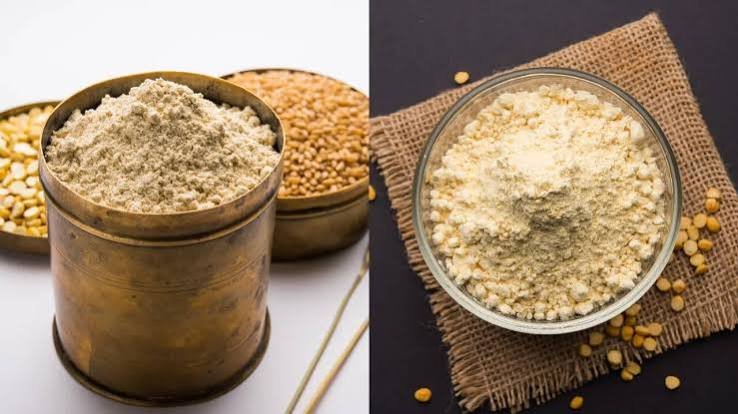
Understanding the debate around besan vs sattu is one of those small kitchen upgrades that makes a massive difference to your everyday cooking. Whether you are whipping up a quick breakfast chilla, stuffing litti for a weekend feast, or simply stocking up your pantry with clean, organic staples, knowing how these two flours behave will save you time, ingredients, and culinary disappointment.
What is the difference between besan and sattu?
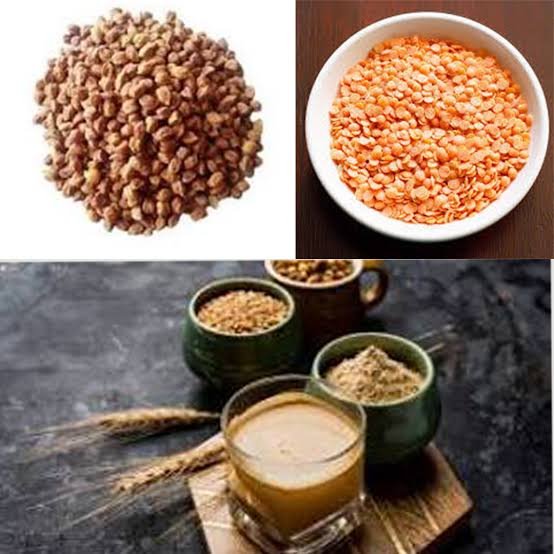
Besan is flour made from ground gram, commonly used for pakoras, chillas and batters. Sattu is typically made from roasted gram that is ground into flour and is often used in drinks, fillings and regional dishes. Their processing, flavour and culinary applications differ, so they are not always interchangeable.
1. What is Besan (Gram Flour)?
Besan—often labelled as gram flour or chickpea flour—is made by grinding dried, split Bengal gram (chana dal) into a fine, smooth powder. In traditional stone-ground (chakki) processing, the outer dark husk of the black chickpea (kala chana) is removed first, leaving behind the bright yellow split dal, which is then milled raw.
Because the dal is never roasted before milling, besan retains a distinct raw, slightly grassy aroma and a dense, starchy texture. When mixed with water, those raw starches hydrate and bind together tightly. That binding power is precisely why besan is the backbone of Indian batters, gravies, and deep-fried snacks.
If you already keep a variety of lentils at home, you might know how processing changes a pulse’s behaviour—something we explore deeply in our unpolished dal guide. Just as unpolished dals keep their natural oils and texture intact, authentic stone-ground besan milled from whole chana dal offers a far richer aroma and better binding than commercially bleached or overly refined flours.
Common ways we use besan every day:
- Crispy batters: Coating onions, potatoes, paneer, and spinach for rainy-day pakoras and bhajiyas.
- Savoury pancakes: Whipping up quick, protein-rich besan chillas or Gujarati pudla for breakfast.
- Curry thickeners: Giving body and tang to Punjabi kadhi, Rajasthani gatte ki sabzi, and Sindhi kadhi.
- Traditional sweets: Slow-roasting it in generous amounts of pure ghee to make melt-in-the-mouth besan ladoos, mysore pak, and mohanthal.
2. What is Sattu (Roasted Bengal Gram Flour)?
Sattu is the rustic, earthy cousin of besan, deeply rooted in the culinary traditions of Bihar, Jharkhand, Uttar Pradesh, West Bengal, and parts of Madhya Pradesh. Unlike besan, sattu is made from whole roasted Bengal gram (bhuna chana). (Sattu )
Traditionally, whole black chickpeas are dry-roasted in hot sand inside massive iron woks (kadhais) until the chickpeas puff up, crack their dark husks, and turn deeply aromatic. Once cooled, the roasted grams are sieved to remove excess husk and ground into a slightly coarse, nutty flour. Because the chickpeas are already cooked through intense dry heat before milling, sattu is technically a ready-to-eat flour.
While chana sattu is the most popular variety across India, you will also find regional blends made by roasting and milling barley (jau sattu), wheat, or mixed grains, especially during peak summer months when cooling foods take centre stage.
Common ways we use sattu every day:
- Cooling summer drinks: Whisking it with chilled water, roasted cumin powder, black salt, mint, and a squeeze of lemon to make sattu sharbat (or a sweet version with jaggery).
- Spiced stuffings: Mixing it with mustard oil, nigella seeds (kalonji), carom seeds (ajwain), garlic, ginger, and pickle masala (achar ka masala) to stuff litti, sattu paratha, and kachoris.
- Quick energy meals: Kneading it with a splash of water, salt, and green chillies for an instant, no-cook travel meal—a centuries-old staple for farmers and travellers across Eastern India.
3. Besan vs Sattu: Key Differences at a Glance
When comparing besan vs sattu, the biggest dividing line isn’t the seed itself—it is fire. One is milled raw; the other is dry-roasted before it ever touches a grinder. That single step changes everything from shelf life to how your stomach digests it.
| Feature | Besan (Gram Flour) | Sattu (Roasted Gram Flour) |
| Raw Material | Split, dehusked Bengal gram (chana dal) | Whole roasted black chickpeas (bhuna chana) |
| Roasting Process | Milled raw; requires cooking before eating | Dry-roasted (traditionally in sand) before milling |
| Texture & Feel | Very fine, silky, and slightly sticky when wet | Slightly coarse, grainy, and crumbly when moistened |
| Flavour & Aroma | Raw, beany, and mildly earthy until cooked | Deeply nutty, smoky, toasty, and aromatic |
| Primary Culinary Uses | Pakora batters, chillas, kadhi, dhokla, laddoos | Summer coolers, litti-chokha, stuffed parathas |
| Cooking Requirement | Must be cooked, fried, steamed, or roasted | Ready to eat; needs zero cooking |
| Husk Content | Mostly removed (dehusked chana dal) | Retains fine particles of roasted husk |
Raw Material and Processing
Besan starts with split, polished or unpolished chana dal. Because the dark outer skin of the chickpea is stripped away, besan has a uniform bright yellow colour. Sattu, on the other hand, uses whole kala chana roasted in its jacket. Even after sieving, tiny flecks of the dark roasted husk get milled into the flour, giving sattu its characteristic brownish-yellow hue and higher fibre content.
Roasting and Digestibility
Raw legumes contain natural starches and anti-nutrients that make them heavy on the stomach if undercooked. Besan must be thoroughly fried, steamed, or sautéed in ghee to break down those raw compounds. With sattu, the high-heat sand roasting already pre-cooks the starches and breaks down complex proteins, making it noticeably lighter and easier to digest—even when mixed straight into cold water.
Texture and Binding Power
Try making a pakora batter with sattu, and you will quickly notice it falls apart in hot oil. Because the starches in sattu are already gelatinised and toasted by roasting, they lose their elastic, glue-like binding ability. Besan’s raw starches absorb water and create a smooth, cohesive batter that clings to vegetables and puffs up when fried or steamed (like in Khaman Dhokla).
Flavour Profile
Raw besan tastes distinctly “beany” and bitter if you taste a pinch straight from the jar. It only turns sweet and nutty after you roast it slowly in ghee. Sattu arrives in your kitchen already packed with a warm, toasty, smoky flavour that needs nothing more than salt, lemon, and spices to shine.
Nutritional Comparison
Both flours are powerhouses of plant-based protein, complex carbohydrates, iron, and dietary fibre. However, it is important to remember that exact nutritional values depend heavily on the specific gram variety used, the roasting method, and overall product composition. For instance, sattu made from whole roasted black chickpeas retains more insoluble dietary fibre from the outer husk compared to dehusked chana dal besan. Meanwhile, multi-grain sattu blends (containing barley or wheat) will have a different protein-to-carb ratio than pure chana sattu. Rather than declaring one universally healthier than the other, think of them as complementary tools: besan brings clean protein to cooked meals, while sattu delivers high-fibre, low-glycaemic fuel for quick, no-cook nourishment.
4. Can You Substitute Besan for Sattu (and Vice Versa)?
This is easily one of the most common questions home cooks ask when following a recipe and realising one jar is empty. In the besan vs sattu swap test, the short answer is: not directly, unless you adjust your cooking method.
Substituting Besan for Sattu
If you are making litti or sattu paratha and have run out of sattu, you cannot use raw besan straight from the packet—your stuffing will taste raw and pasty. However, you can make a decent kitchen hack:
- Take raw besan in a heavy-bottomed kadhai.
- Dry-roast it on a low flame for 8–10 minutes, stirring continuously until it turns golden brown and fills your kitchen with a nutty aroma.
- Let it cool completely before mixing it with spices, mustard oil, and lemon juice.
Note: While dry-roasted besan mimics sattu’s cooked flavour, it will still be smoother and finer than authentic coarse sattu, and it will lack the extra fibre of the whole roasted husk. Avoid using roasted besan for sattu sharbat, as the ultra-fine texture tends to clump rather than suspend nicely in water.
Substituting Sattu for Besan
Swapping sattu into a besan recipe is much trickier:
- For batters (pakoras, dhokla, chilla): Do not substitute sattu. Without raw starch, the batter will lack structure, absorb too much oil, and crumble in the pan.
- For sweets (besan ladoo): You can actually make quick ladoos with sattu! Because sattu is already roasted, you simply warm it briefly in ghee for 2–3 minutes, mix in powdered jaggery or boora, and roll it into ladoos. The texture will be slightly coarser than traditional besan ladoos, which many people actually love.
5. Which Ingredient Works Best for Different Recipes?
Still unsure which jar to reach for? Let your recipe’s cooking technique make the decision for you. When weighing besan vs sattu for specific dishes, match the flour’s natural strength to the dish you are preparing.
Reach for Besan When You Are:
- Deep-frying or pan-frying: Aloo pakora, mirchi vada, bread pakora, and onion bhajiya rely entirely on besan’s crisp, golden crust.
- Steaming: Fluffy Gujarati khaman dhokla and khandvi need raw besan’s fine starch structure to trap air and set properly.
- Simmering gravies: In kadhi pakora or besan ki sabzi, raw besan thickens the buttermilk or tomato base smoothly without turning gritty.
- Making breakfast crepes: Besan chilla holds together easily on a hot tawa, allowing you to flip it cleanly without tearing.
Reach for Sattu When You Are:
- Making zero-cook drinks: Chilled namkeen sattu sharbat or sweet gud-sattu drink requires pre-roasted flour that is safe and delicious to consume raw.
- Preparing spiced dough fillings: Bihari litti, sattu ka paratha, and makuni need a crumbly, non-sticky stuffing that absorbs mustard oil and pickle spices without turning into a wet paste.
- Looking for a quick post-workout or travel meal: Stirring 3 tablespoons of sattu into buttermilk (chaas) or mixing it into a quick savoury mash gives you instant sustenance with zero stove time.
- Thickening dry sabzis at the last minute: Sprinkling a spoonful of roasted sattu over stir-fried bhindi, capsicum, or baingan right at the end absorbs excess moisture and adds a wonderful nutty crunch.
6. How to Choose and Store Good-Quality Gram Flour
Not all gram flours sitting on supermarket shelves are created equal. Mass-produced commercial besan is sometimes adulterated with cheaper khesari dal (lathyrus) or corn starch to cut costs, while stale sattu can quickly turn bitter if its natural oils go rancid. Whether you are updating your organic pantry checklist (/organic-pantry-checklist) or buying a fresh pack for the festive season, keep these simple checks in mind:
How to Choose Pure Besan and Sattu
- Check the ingredient label: Authentic besan should list only one ingredient: 100% Chana Dal (Bengal Gram). Similarly, pure chana sattu should list 100% Roasted Bengal Gram. Watch out for hidden fillers or anti-caking agents.
- Look at the colour: Pure besan has a warm, natural pale-yellow hue—never an artificial, neon-bright yellow. Pure chana sattu should look earthy, light brown-yellow with tiny dark specks of roasted husk.
- Do the sniff test: Fresh besan smells clean and mildly pulse-like. Fresh sattu should smell unmistakably like freshly roasted bhuna chana. If either smells musty, stale, or slightly soapy, skip it.
- Go for organic, stone-ground (chakki) options: High-speed steel rollers generate excessive heat during milling, which can strip away delicate nutrients and alter the natural flavour of the grain. Slow stone-ground organic flours retain their natural aroma, moisture balance, and clean farm-to-kitchen purity without chemical pesticide residues.
Smart Storage Tips for Indian Kitchens
Indian weather—especially the monsoon months—can ruin flours quickly if moisture sneaks in.
- Use airtight glass or stainless-steel jars: Transfer both flours out of their plastic pouches as soon as you open them.
- Keep them cool and dark: Store jars away from the gas stove, as heat accelerates oil oxidation in roasted sattu.
- Add a natural bug deterrent: Pop 2–3 dried bay leaves (tej patta) or whole dried red chillies into your besan jar to naturally keep pantry weevils away.
- Refrigerate in humid climates: If you live in a coastal city or buy in bulk during the monsoons, storing besan and sattu in the fridge extends their freshness for up to 6 months.
7. Frequently Asked Questions (FAQs)
Is besan the same as sattu?
No, besan and sattu are not the same, even though both are usually made from Bengal gram (chickpeas). Besan is milled from raw, split, dehusked chana dal, whereas sattu is made by dry-roasting whole black chickpeas first and then grinding them into flour. Because of this roasting step, they differ in colour, texture, flavour, and how they are cooked.
Can sattu be eaten without cooking?
Yes! Sattu is completely safe and ready to eat without any cooking. Because whole Bengal grams are roasted at high temperatures before being ground into flour, the raw starches are already cooked and easy to digest. You can mix sattu directly into cold water, buttermilk, milk, or spiced fillings. Besan, by contrast, is raw and should always be cooked before eating.
Which is better for a particular recipe: besan or sattu?
It depends entirely on what you are cooking. Choose besan whenever your recipe needs binding, crispiness, or thickening—such as pakoras, chillas, dhokla, kadhi, or slow-roasted besan ladoos. Choose sattu whenever you want a no-cook energy drink, a crumbly spiced stuffing for litti or parathas, or a nutty, ready-to-eat ingredient that requires zero stove time.
Can diabetics include besan and sattu in their diet?
Both besan and sattu are made from Bengal gram, which naturally has a low glycaemic index and is rich in plant protein and fibre compared to refined wheat flour (maida). Whole-grain sattu retains additional insoluble fibre from the chickpea husk, which helps slow down sugar absorption. However, portion sizes and preparation methods—such as avoiding deep-frying or excess sugar—matter most, so it is always wise to tailor portions to your individual dietary needs.
How can I tell if my besan or sattu has gone bad?
Check for three signs: clumps caused by moisture, tiny webbing or pantry insects, or a bitter, rancid smell. Sattu has a slightly shorter shelf life at room temperature (around 3–4 months) than raw besan (around 4–6 months) because roasting releases natural oils in the chickpea. If it tastes bitter on the tip of your tongue, discard it immediately.
Final Thoughts
Once you understand the simple magic of roasting, choosing between besan vs sattu becomes second nature. Think of besan as your culinary builder—the reliable, raw flour that binds your batters, thickens your gravies, and crisps up your favourite monsoon snacks. Think of sattu as your rustic, ready-to-eat companion—the smoky, high-fibre powerhouse that cools you down in summer and fuels you up in minutes.
Keeping a jar of pure, organic besan alongside a jar of authentic roasted chana sattu ensures your Indian pantry is ready for everything from festive sweets to effortless everyday meals.
See Also
- Difference Between Besan and Sattu
- Sattu vs Besan Which one is healthier ?
- Whole Spices vs Ground Spices: Which Should You Buy for Better Flavour?
- Hand-Pounded Rice vs Brown Rice vs Unpolished Rice: Complete Guide
- Best Organic Millets for Indian Kitchens: Ragi, Jowar, Bajra, Foxtail, and Little Millet