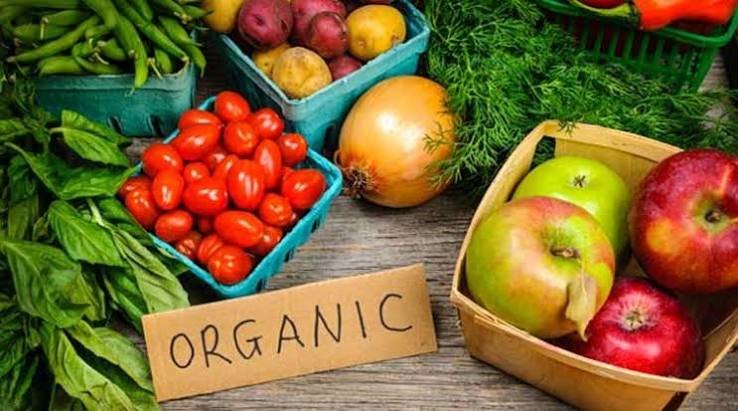

Dirty Dozen and Clean Fifteen ? Let’s be completely real for a moment: our relationship with food in India is deeply emotional. From the crisp bhindi fry your mother makes to the comforting aroma of a fresh tamatar-pyaaz tadka, food isn’t just fuel—it is love, heritage, and health.
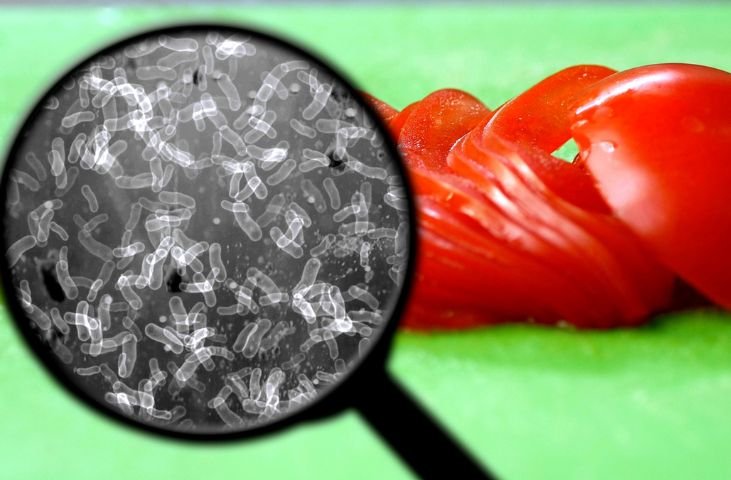
But over the last few years, a quiet anxiety has crept into our kitchens. Every time we wash a bunch of bright green spinach (palak) or bite into a glossy, perfectly shaped red apple, a tiny voice at the back of our mind whispers: How many chemicals am I feeding my family right now?
We all want to protect our kids and parents from harmful pesticide residues in food. But when we look at the prices of premium, certified organic groceries, our middle-class budgeting brain takes a massive hit. If you try to swap every single vegetable, fruit, lentils, and spice pack in your kitchen for its organic equivalent, your monthly grocery bill could easily double, or even triple!
Here is the good news: you do not have to buy everything organic.
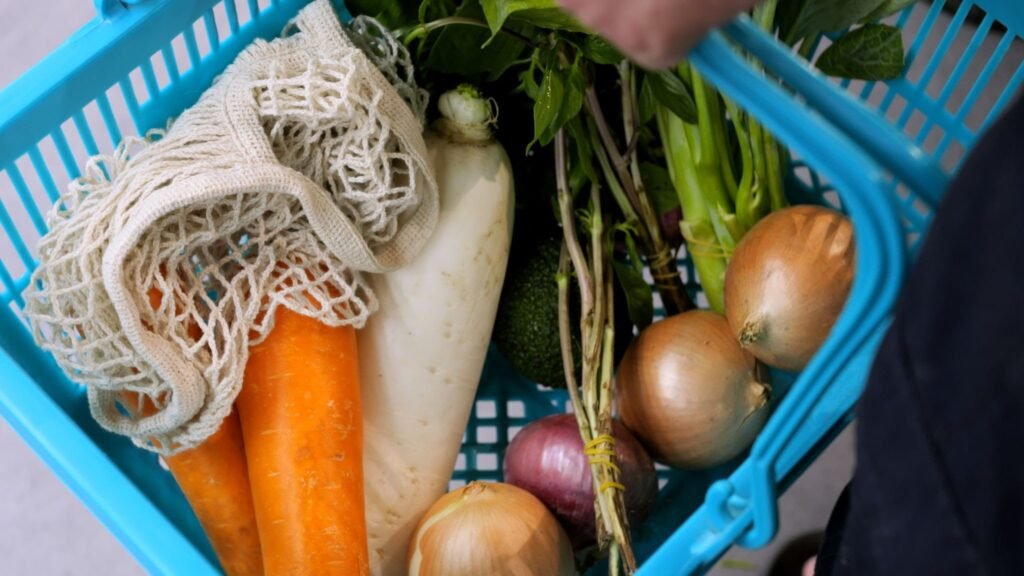
You can protect your family’s health and save thousands of rupees every single month by using a genius framework known worldwide as the Dirty Dozen and Clean Fifteen. Originally popularized by the Environmental Working Group (EWG), this system categorizes produce based on how much chemical contamination they carry.
By adapting this framework specifically for Indian markets, you’ll learn exactly when to splurge on premium organic brands, and when it’s perfectly safe to buy conventional veggies from your local sabzi mandi. Let’s dive straight in!
What is the EWG Dirty Dozen List and Why Does It Matter to Us?
If you’ve spent any time reading up on clean eating online, you have likely come across the term EWG dirty dozen list. The Environmental Working Group analyzes government data every year to identify which fruits and vegetables are most heavily contaminated by synthetic sprays.
But why should someone living in Mumbai, Delhi, or Bengaluru care about an American list?
Because farming realities cross borders. The exact same cultivation pressures—like pests attacking delicate skin or mold destroying leafy greens in humid weather—apply right here in India. In fact, due to our tropical climate and less stringent monitoring on the ground, some of our local crops carry even higher chemical loads.
When a crop makes it onto the “Dirty Dozen” list, it means that even after being picked, washed, and transported, its skin or porous structure retains a significant amount of toxic chemicals. If you want to reduce pesticide exposure effectively, these are the exact foods where you should never compromise. You should always aim to buy their certified organic versions.
The 2026 Dirty Dozen: High-Risk Foods to Always Buy Organic in India
Let’s look at the worst offenders. If these items are structural staples in your daily home cooking, it’s time to shift them over to your organic shopping list.
| Food Item | Why It Holds High Pesticide Residues | Smart Indian Kitchen Substitute / Action |
| Spinach & Leafy Greens | High surface area, directly sprayed, absorbs chemicals like a sponge. | Buy organic Palak, Methi, and Sarson. |
| Strawberries & Grapes | Thin, porous skin with no protective outer shell. | Splurge on organic or opt for thick-skinned fruits instead. |
| Apples | Regularly coated in synthetic wax and liquid anti-fungals to increase shelf life. | Peel non-organic apples completely, or buy local Indian Kinnaur apples in season. |
| Tomatoes | Thin skin, highly vulnerable to pests during Indian monsoons. | Look for local organic farming co-op sources for your daily tadkas. |
| Bell Peppers (Capsicum) | Deep crevices near the stem trap liquid chemical runoffs easily. | Always wash thoroughly with vinegar, or buy certified organic. |
| Potatoes | Absorbs systemic pesticides sprayed into the surrounding soil during growth. | Buy organic in bulk—they store well and last long! |
The Danger on Indian Plates: Delicate Fruits and Leafy Greens
Think about how we cook. Leafy greens like palak and methi are eaten in massive quantities in Indian households. Because they grow close to the ground, conventional farmers often spray them repeatedly up until the very day of harvest to keep bugs away. This places them right at the top of the non organic fruit list and vegetable hazards.
Similarly, think about grapes. Conventional grapes are heavily sprayed right up until harvest to keep them plump. Because they have no peel, you eat those chemicals directly.
The 2026 Clean Fifteen: Safe and Budget-Friendly Conventional Choices
Now for the highly reassuring part! The “Clean Fifteen” represents the heroes of the vegetable market. These are fruits and vegetables that naturally possess thick protective skins, or have an inherent resistance to pests.
Even when grown conventionally using standard farming methods, these items show almost zero traceable chemical residues by the time they reach your plate. You can safely buy these from your local roadside vendor without feeling a shred of guilt!
                  THE CLEAN FIFTEEN SAVINGS STRATEGY
  ┌─────────────────────────────────────────────────────────────────┐
  │  NATURE'S PROTECTIVE BARRIERS (Thick peels, tight husks)        │
  ├─────────────────────────────────────────────────────────────────┤
  │  • Sweet Corn (Protected by tight, multi-layered husks)         │
  │  • Onions (Outer papery skin shields the inner layers)          │
  │  • Avocados & Papayas (Ultra-thick skins keep chemicals out)     │
  │  • Pineapples & Watermelons (Impenetrable rinds)               │
  │  • Cabbage & Cauliflower (Peel outer leaves, inner core is safe)│
  └─────────────────────────────────┬───────────────────────────────┘
                                    │
                                    ▼
                     SAFE TO BUY FROM LOCAL MANDI
                 (Saves 40-60% on your weekly bill!)
Why These Are Naturally Protected
Consider the humble onion (pyaaz). It grows underground, and by the time it reaches your kitchen, you peel away two or three outer layers anyway. Any surface spray never touches the part you actually chop up for your sabzi.
The same applies to sweet corn, which is wrapped tightly in a thick husk, and watermelons, which have an impenetrable outer rind. By keeping these on your conventional shopping list, you execute one of the best organic shopping hacks out there: saving money where it doesn’t hurt your health.
The Complete Cross-Reference Table for Smart Shopping
To make your next trip to the market or your next online grocery delivery order completely seamless, use this comprehensive reference table.
RankMath SEO Check: Keep this chart saved on your phone for quick reference while navigating your grocery apps!
| Always Buy Organic (The Dirty Dozen Niche) | Safe as Conventional (The Clean Fifteen Niche) |
| 1. Spinach (Palak) | 1. Onions (Pyaaz) |
| 2. Mustard Greens (Sarson) | 2. Sweet Corn |
| 3. Tomatoes (Tamatar) | 3. Pineapples |
| 4. Capsicum / Bell Peppers | 4. Avocados |
| 5. Apples | 5. Papaya |
| 6. Grapes | 6. Green Peas (Matar) |
| 7. Strawberries | 7. Cauliflower (Phool Gobhi) |
| 8. Peaches & Plums | 8. Cabbage (Patta Gobhi) |
| 9. Potatoes (Aloo) | 9. Kiwi |
| 10. Celery & Herbs (Dhania/Pudina) | 10. Melons (Kharbuja) |
| 11. Cucumbers (Kheera) | 11. Watermelon (Tarbooz) |
| 12. Pears | 12. Sweet Potatoes (Shakarkand) |
How to Clean Non-Organic Produce: Indian Kitchen Solutions
We live in the real world. There will be days when your organic vendor is out of stock, or weeks when the budget is running extra tight. When you have to buy conventional items from the non organic fruit list, don’t panic. You can significantly lower your risk using simple, traditional remedies right from your kitchen pantry.
The Baking Soda Soak (The Science-Backed Winner)
Research has shown that soaking fruits and vegetables in a solution of water and baking soda (meetha soda) is incredibly effective at neutralizing surface pesticides.
- Take a large vessel filled with clean water.
- Add 1 tablespoon of baking soda for every liter of water and stir well.
- Submerge your conventional vegetables or fruits for 12 to 15 minutes.
- Rinse thoroughly under running tap water while rubbing the surfaces gently.
The Vinegar and Salt Wash
A classic Indian household hack that doubles as a disinfectant:
- Mix 1 part white vinegar with 3 parts water, and add a tablespoon of rock salt (sendha namak).
- Soak your grapes or tomatoes for 10 minutes before rinsing. The salt helps scrub away physical residue and wax, while the vinegar breaks down acidic chemical compounds.
Strategic Summary: Mastering Your Monthly Grocery Budget
Transitioning your family to a cleaner lifestyle doesn’t require a radical overhaul. It requires strategy. By using the Dirty Dozen and Clean Fifteen list, you create a sustainable lifestyle blueprint that respects both your health and your wallet.
- Allocate your budget logically: Spend your premium organic budget on your daily greens, tomatoes, and kids’ fruits.
- Save confidently: Buy your onions, cabbages, and thick-skinned fruits from the regular market.
- Wash mindfully: Use baking soda or vinegar soaks to treat conventional items.
Eating well is all about making informed choices. Now that you hold the definitive roadmap to navigating the Indian food market, you can walk down those grocery aisles with your head held high, knowing exactly how to shop smart!
Let’s Build a Healthier Community Together!
Every small shift you make in your kitchen contributes to long-term wellness for the people you love most. It’s not about achieving absolute perfection; it’s about making conscious, deliberate choices every single week.
What about you? Which vegetable on the Dirty Dozen list surprised you the most? Do you find it easy to source certified organic greens in your neighborhood? Let’s spark a conversation in the comments below—we read and reply to every single one!
See Also
The Definitive Guide to Organic Food Labels: What Do They Actually Mean?
Clean 15 vs Dirty Dozen: The Truth About Your Produce